The $5 Million Threat: How HR 8218 Could Force 98% of Small Fleets Out of Business
Congress has introduced HR 8218 to hike trucking insurance minimums by 566%. Learn how the $5 million mandate impacts your premiums and your survival.
Advertisement
The $5 Million Mandate: A Death Sentence for the American Owner-Operator?
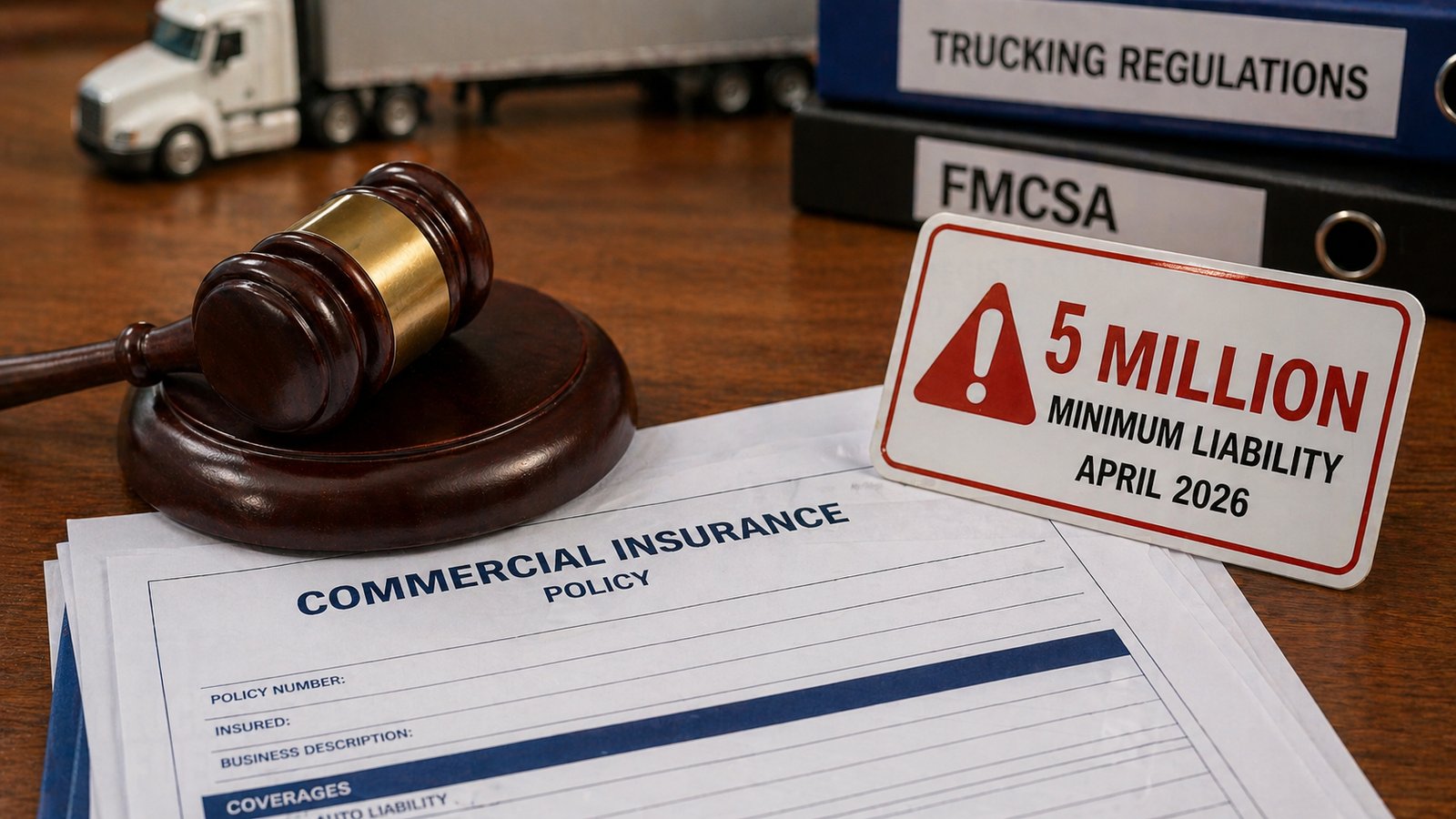
As of April 28, 2026, the trucking industry is facing its most significant legislative threat in over four decades. On April 9, 2026, Representatives Jesús “Chuy” García and Derek Tran introduced H.R. 8218, officially titled the Fair Compensation for Truck Crash Victims Act. While the bill is framed as a necessary update for victim safety, its core provision is sending shockwaves through the industry: a mandatory 566% increase in minimum liability insurance.
Advertisement
Advertisement
Advertisement
Advertisement
For forty-six years, the federal minimum has stood at $750,000. Under HR 8218, that floor would skyrocket to $5,000,000. For the small fleet owner and the independent owner-operator, this isn't just a regulatory change—it is a financial cliff. At TheVoxDaily, we are diving deep into the first-hand data to explain why this bill is trending and what it actually means for your bottom line this month.
1. Breaking Down HR 8218: The "Inflation" Argument
The sponsors of the bill argue that the $750,000 limit set in 1980 is "functionally obsolete." According to the legislative text introduced on April 9th, if the 1980 requirement were adjusted solely for medical inflation, it would exceed $5 million in today's economy. The bill seeks to do two things:
- Immediate Hike: Raise the minimum from $750k to $5M for all interstate motor carriers.
- The 5-Year Trigger: Automatically index the minimum to medical inflation every five years, ensuring the rate never stays stagnant again.
While safety advocacy groups like Parents Against Tired Truckers and the Truck Safety Coalition have endorsed the move, the industry's response has been one of pure panic. The reality of 2026 is that freight rates are volatile and diesel prices remain high; adding a triple or quadruple insurance premium to the mix could be the final straw for 98% of the industry's small players.
2. The Real-World Cost: What Will Your Premium Look Like?
Currently, an owner-operator with a clean MVR might pay between $8,000 and $12,000 annually for a $1 million policy (which many brokers already require). However, moving that limit to $5 million does not result in a linear price increase. In the 2026 insurance market, "excess liability" layers are becoming increasingly expensive due to Nuclear Verdicts.
Industry analysts suggest that a shift to a $5 million federal minimum would cause base premiums to jump to $25,000 - $40,000 per truck. For a small fleet of five trucks, that is a quarter-million dollars in insurance costs alone before a single mile is driven. As OOIDA Executive Vice President Lewie Pugh recently noted, many small carriers simply do not have the equipment value or cash flow to sustain a $5 million policy.
3. Why HR 8218 is Different in 2026
This isn't the first time Rep. García has tried to raise the limits. He attempted similar bills in 2019, 2021, and 2024. However, the April 2026 reintroduction has more momentum for three specific reasons:
- Bipartisan Framing: The bill is being tied to "Trial Lawyer Transparency" and victim rights, making it harder for politicians to vote against during an election cycle.
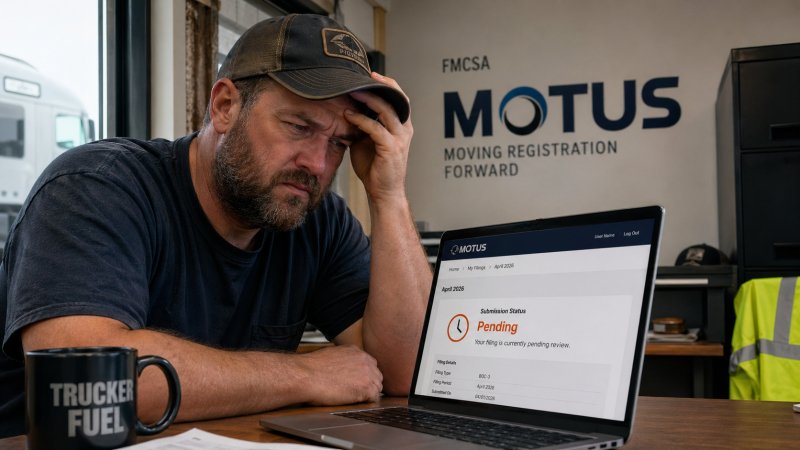
- The Motus Link: The FMCSA’s new Motus system (which we covered in our recent glitch report) is already built to handle variable insurance suffixes. The infrastructure to enforce a $5M mandate is now digitally "ready."
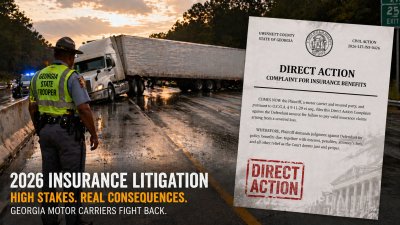
- The Social Cost: High-profile accidents in early 2026 involving minimally insured carriers have given proponents fresh "horror stories" to present to the House Committee on Transportation and Infrastructure.
4. Comparison: Current Law vs. The HR 8218 Proposal
| Provision | Current Status (1980 Act) | Proposed (HR 8218) |
|---|---|---|
| Minimum Liability | $750,000 | $5,000,000 |
| Adjustment Cycle | None (Static since 1980) | Every 5 Years (Inflation Indexed) |
| Estimated Premium | $8,000 - $14,000 | $25,000 - $45,000+ |
5. The "Trial Lawyer" Loophole
Critics of the bill, including the American Trucking Associations (ATA), argue that HR 8218 isn't about victims—it’s about litigation caps. In 99.4% of truck crashes, the current $750,000 limit covers all damages. The only cases that exceed this are catastrophic "lottery" lawsuits. By raising the minimum to $5 million, Congress is effectively guaranteeing that every minor fender bender becomes a multi-million dollar negotiation for trial lawyers, further driving up the cost of commercial insurance for everyone, even those with perfect safety records.
6. What Can You Do Right Now? (April 28 Action Plan)
The bill was referred to the House Committee on Transportation and Infrastructure on the day it was introduced (April 9). It is currently in the "Review" phase. To protect your business:
- Contact Your Rep: Use the "Call to Action" portals provided by OOIDA to voice your opposition to HR 8218.
- Audit Your Coverage: Talk to your agent about "Excess Liability" quotes now. Knowing the cost difference between $1M and $5M will help you price your freight more accurately for the coming year.
- Safety Scores Matter: If this bill passes, insurance companies will only take the "cream of the crop." A single CSA violation in 2026 could make you uninsurable under a $5M mandate.
At TheVoxDaily, we will continue to monitor the committee hearings for HR 8218 throughout May. This is the fight for the survival of the small carrier. Don't be caught off guard—stay informed, stay vocal, and stay loaded.
Advertisement