Texas Trucking Insurance Guide 2026: Intrastate Requirements, Form E, and Form H Filings
Master the 2026 Texas commercial truck insurance requirements. Learn the difference between Intrastate and Interstate filings, average costs for new authorities, and how to file Form E with the TxDMV.
Advertisement
Texas Trucking Compliance 2026: Navigating the TxDMV Insurance Landscape
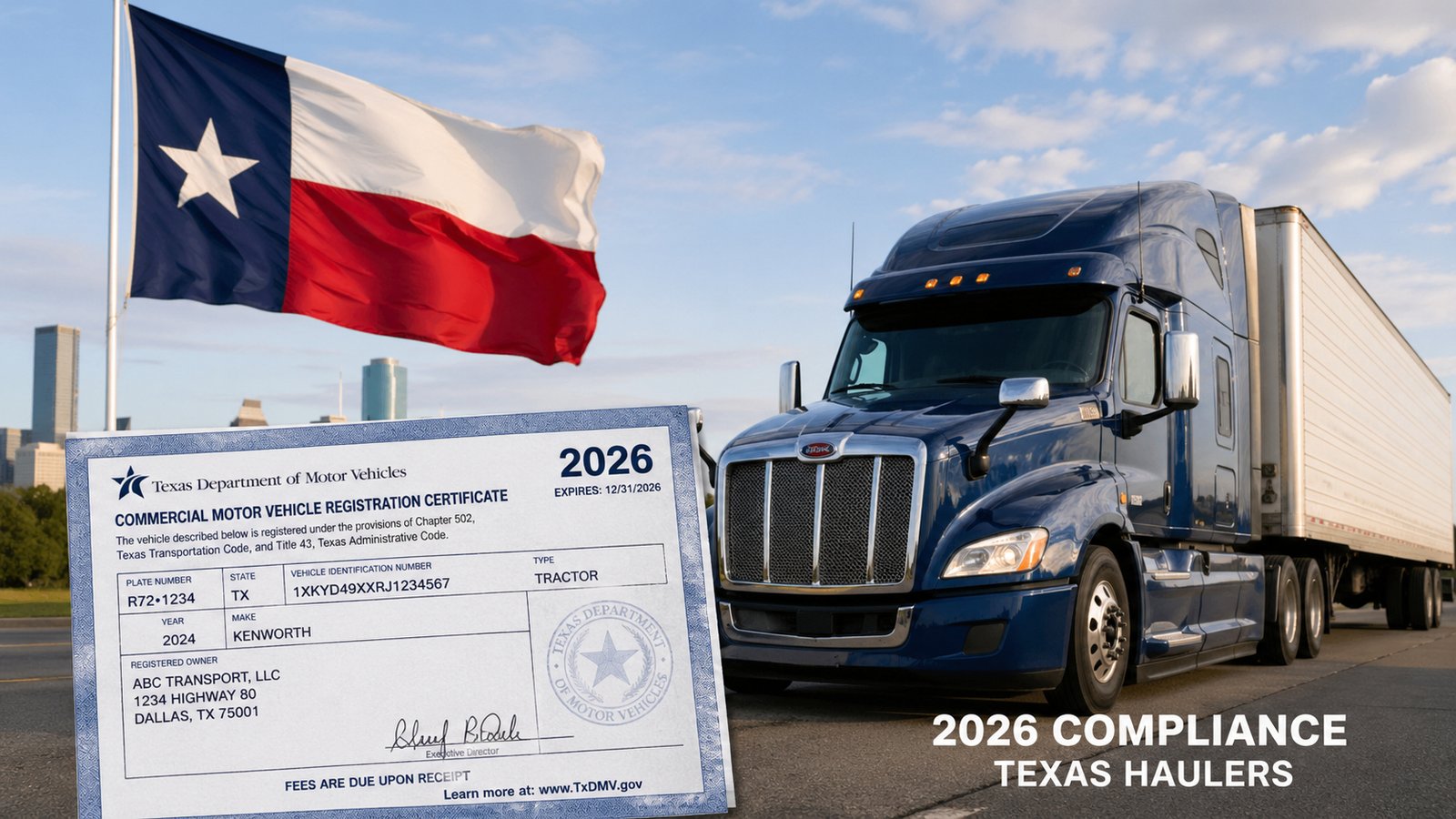
As of April 28, 2026, Texas remains the most complex state for commercial motor vehicle compliance. Whether you are running the I-35 corridor from Laredo to Dallas or hauling oilfield equipment in the Permian Basin, your insurance filings must be exact. In Texas, a "good" insurance policy isn't enough—you need the correct state-specific filings to keep your TxDMV Certificate active.
Advertisement
Advertisement
Advertisement
Advertisement
Many new owner-operators fail their initial safety audits not because they lack insurance, but because they have the wrong type of filing for their operation. At TheVoxDaily, we are breaking down the first-hand data on Texas insurance minimums, the mysterious Form E, and why your 2026 premiums in the Lone Star State are shifting.
1. Intrastate vs. Interstate: Which Rule Applies to You?
The first mistake Texas truckers make is assuming federal (FMCSA) rules and state (TxDMV) rules are the same. They are not. In April 2026, the distinction is sharper than ever:
- Texas Intrastate: If you move loads that originate and end within Texas borders, you are governed by the TxDMV. Your minimum liability floor is $500,000 CSL (Combined Single Limit).
- Interstate: If your tires cross into Oklahoma, New Mexico, or Louisiana, you fall under FMCSA authority. Your minimum liability floor is $750,000 (though in 2026, 95% of brokers require $1,000,000).
TheVox Insider Tip: If you have a Texas USDOT number but intend to cross state lines, you must have BOTH state and federal filings. A "Federal-only" filing will leave your TxDMV account flagged as "Inactive," leading to roadside impoundment.
2. Decoding the Forms: Form E and Form H
In Texas, your insurance agent doesn't just email you a certificate; they must electronically file specific forms with the Motor Carrier Management Information System (MCCS).
Form E: The Liability Certificate
Form E is the "Golden Ticket" of Texas trucking. It is a uniform state filing that certifies you have the required public liability coverage. In 2026, the TxDMV will not issue a Cab Card until Form E is verified. If your agent is out of state, ensure they are authorized to file in Texas, as many "general" commercial agents are not set up with the Texas MCCS system.
Form H: The Cargo Requirement
Unlike the federal government, which removed most cargo insurance requirements years ago, Texas still requires Form H for specific carriers. If you are a Household Goods (HHG) mover, you MUST file Form H to prove you carry at least $5,000 per vehicle in cargo coverage. For general freight carriers, Form H is optional but often requested by high-end Texas brokers.
3. Average Cost of Texas Trucking Insurance (April 2026)
Based on first-hand quote data from April 2026, Texas premiums are influenced heavily by your "Garaging Zip Code."
| Operation Type | Average Annual Premium (TX) | Down Payment Required |
|---|---|---|
| New Authority (0-1 Year) | $14,500 - $22,000 | 20% - 30% |
| Established (3+ Years) | $9,000 - $13,000 | 10% - 15% |
| Oilfield Hauling | $18,000 - $30,000+ | Varies by Cargo |
4. The "Harris County" Factor: Why Houston is More Expensive
One detail the national blogs miss is the **judicial heat** in specific Texas counties. If your truck is garaged in Harris (Houston), Dallas, or Bexar (San Antonio) counties, your insurance premium will be 15-25% higher than a driver in Amarillo or Lubbock. Insurance underwriters view "The Texas Triangle" as a high-risk litigation zone. To save money in 2026, many fleets are moving their principal place of business to outlying "Tier 2" counties while still operating into the major ports.
5. 2026 Filing Checklist: How to Avoid the TxDMV "Rejected" Email
To keep your Texas authority active, your filing must follow these three 2026 rules:
- Legal Name Match: Your insurance policy name must match your TxDMV registration 100%. If your policy says "John Doe Trucking LLC" but your registration says "John Doe Trucking," the Form E will be rejected.
- The 24-Hour Rule: Once your agent files Form E, it takes 24 hours for the TxDMV system to refresh. Do not try to pay your registration fees until the "Insurance Status" in MCCS turns green.
- Form K: This is the cancellation notice. In Texas, if your insurance is canceled, your agent files Form K, and the TxDMV will suspend your authority within 30 days. There is no "grace period" in 2026.
6. Summary: Your Lone Star Authority
Owning a trucking business in Texas is a high-reward venture, but the paperwork is unforgiving. By understanding the Form E and Form H requirements and staying ahead of county-specific rate hikes, you can keep your costs manageable and your Cab Card active. For more state-specific intelligence, continue following TheVoxDaily—the definitive voice for the modern Texas hauler.
Advertisement