CBS Lawyers Block Stephen Colbert From Airing Texas Democrat Interview Amid FCC Equal Time Threat
Stephen Colbert says CBS lawyers stopped him from airing a Texas Democrat’s interview over FCC equal time concerns. The segment moved to YouTube instead as free speech collides with broadcast regulation.
 Ronald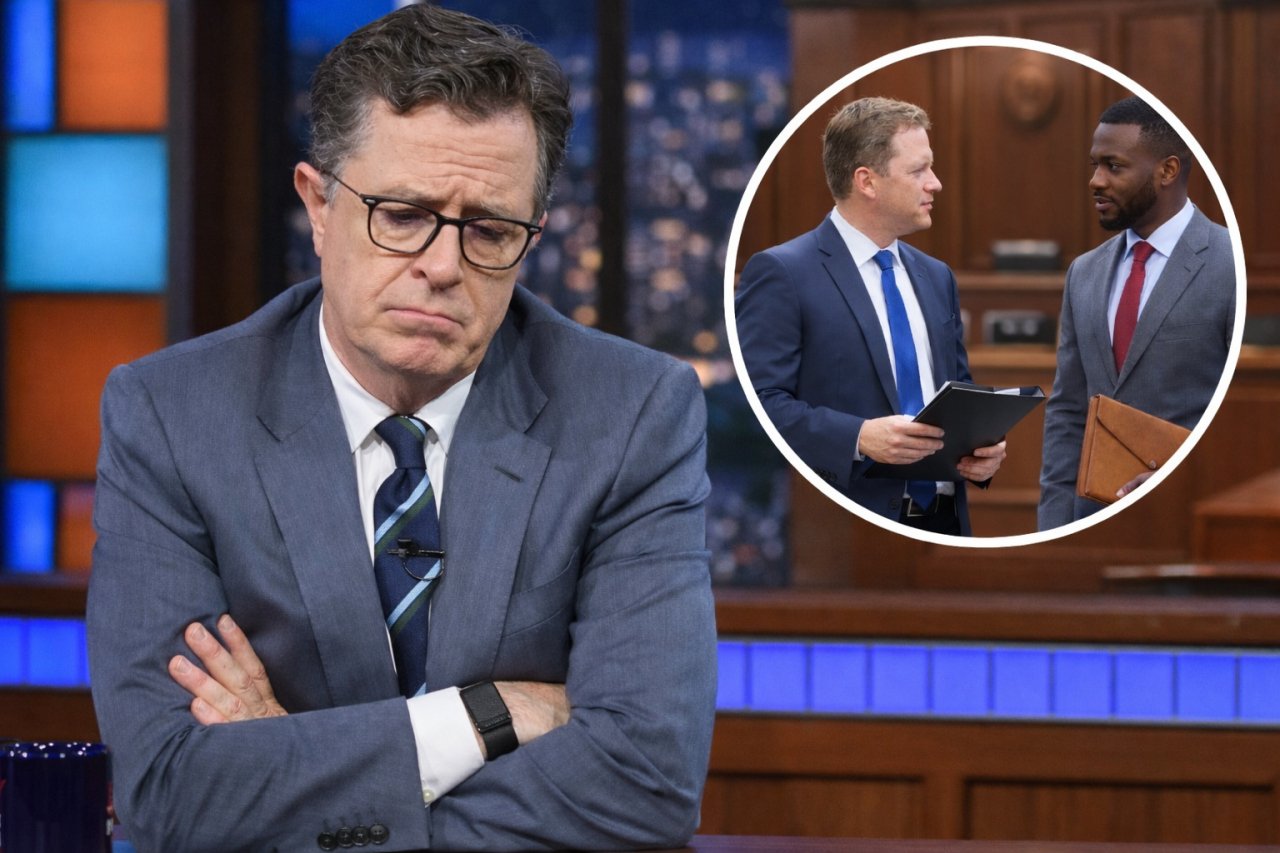
Advertisement
Broadcast television discovered it still answers to paperwork this week after Stephen Colbert revealed CBS lawyers advised him not to air a pre-taped interview with Texas State Representative James Talarico, citing concerns over the FCC’s equal time rule.
Advertisement
Advertisement
Advertisement
Advertisement
The interview, recorded for The Late Show, never reached broadcast television. Instead, it was redirected to YouTube, after network attorneys warned that airing it could trigger legal obligations to provide equal airtime to other primary candidates.
In short: one interview might legally require two more.
The equal time rule, a long-standing FCC regulation, requires broadcast networks to offer comparable airtime to legally qualified opposing candidates for public office. For roughly two decades, late-night shows operated under an interpretation treating their segments as “bona fide news programming”, effectively exempting them from strict enforcement. That exemption was formally clarified in 2006.
Recently, however, FCC Chairman Brendan Carr issued guidance suggesting late-night and daytime talk shows may not automatically qualify for exemption — particularly if considered partisan in nature.
Translation: what once passed as commentary may now require compliance review.
CBS later stated that The Late Show was not prohibited from airing the segment. Instead, the network said it provided legal guidance explaining the broadcast could trigger equal time obligations, and the show chose to release the interview digitally rather than pursue those options.

Colbert addressed the issue directly on-air, framing the legal warning as part of broader regulatory pressure. Talarico, during the interview, accused Republicans and the Trump administration of engaging in “cancel culture from the top,” arguing that media platforms critical of Trump were being scrutinized.
The mechanics are simple:
Equal time rules apply to broadcast television.
They do not apply to cable networks, online platforms, or talk radio.
So the interview moved to the one arena beyond FCC jurisdiction: the internet.
The result?
An interview that might have quietly aired on late-night television instead became a public debate over free speech, regulatory interpretation, and selective enforcement.
The exemption once treated as routine now looks conditional.
The lawyers look cautious.
The comedians look louder.
And the equal time rule, long considered background policy, just re-entered prime time conversation.
Broadcast may still have rules.
The internet, however, remains undefeated.
Advertisement