Netanyahu Heads to Washington to Press Trump for Expanded Iran Deal
Israel’s prime minister will urge a broader framework for Iran negotiations as military pressure, regional security concerns, and domestic politics converge.
 Ronald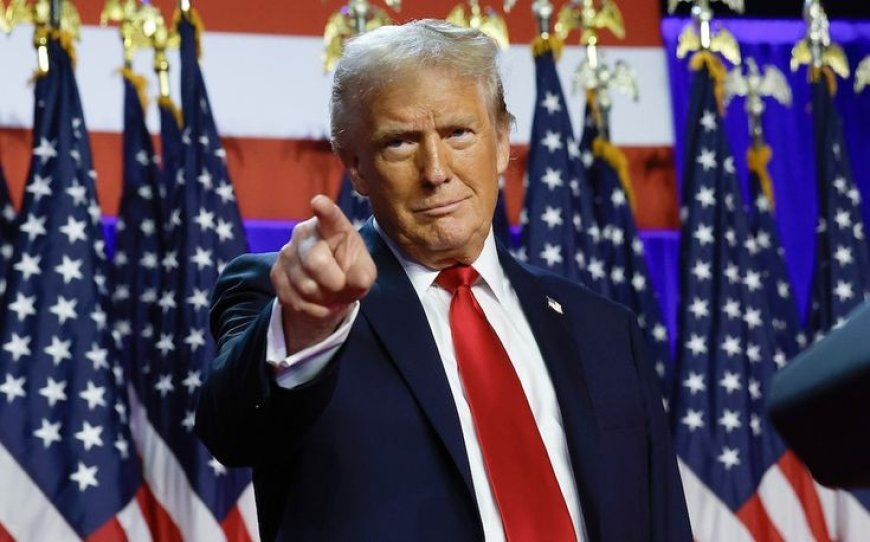
Advertisement
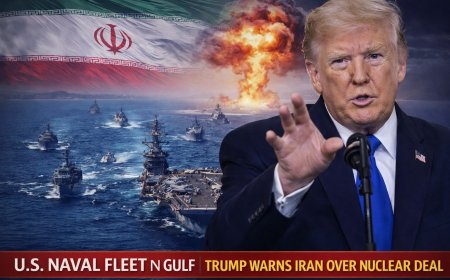
Israeli Prime Minister Benjamin Netanyahu is traveling to Washington this week with a clear strategic objective: persuading President Donald Trump to broaden the scope of ongoing negotiations with Iran beyond the parameters currently under discussion. The visit comes at a pivotal moment as diplomatic engagement resumes alongside a heightened U.S. military posture in the region, underscoring the dual-track approach of pressure and negotiation shaping the evolving talks.
Advertisement
Advertisement
Advertisement
Advertisement
For Israel, the central concern extends beyond the question of uranium enrichment. Netanyahu has consistently argued that any durable agreement must also address Iran’s ballistic missile capabilities and its network of regional proxy relationships. From Jerusalem’s perspective, a narrowly defined nuclear framework would fail to resolve what Israeli policymakers view as the structural drivers of regional instability. This position reflects a long-standing strategic doctrine that links Iran’s nuclear potential, missile development, and regional influence into a single integrated threat assessment.
Iran, however, has historically rejected attempts to expand negotiations beyond nuclear limitations, maintaining that its missile program and regional alliances fall within its sovereign defense posture. Tehran’s negotiating position has centered on a transactional exchange: restrictions on nuclear activity in return for sanctions relief. The gap between these frameworks represents one of the most significant structural obstacles to a comprehensive agreement, as each side defines the scope of acceptable compromise through fundamentally different security priorities.
Recent military developments further complicate the diplomatic landscape. Following last year’s strikes on Iranian facilities, Tehran indicated it had halted uranium enrichment due to damage sustained during the conflict. Yet the extent of that damage remains uncertain. International inspectors have been unable to access key nuclear sites, while satellite imagery suggests continued activity at some facilities. This ambiguity shapes the strategic calculus for negotiators on all sides, as uncertainty about Iran’s technical capabilities influences both urgency and leverage within the talks.
Netanyahu’s visit also carries important domestic political implications. Facing national elections later this year, the prime minister is positioning his relationship with Trump as a cornerstone of his leadership credentials. Throughout his tenure, Netanyahu has framed his ability to influence U.S. policy as a critical component of Israel’s national security posture. A visible role in shaping negotiations with Iran allows him to reinforce that narrative at a time when regional security concerns remain central to Israeli political discourse.
The timing of the trip intersects with broader diplomatic developments in Washington. Netanyahu had originally been expected to participate in the launch of a new international initiative led by Trump focused on post-conflict stabilization and broader global crisis management. While Israel formally agreed to participate, concerns within Netanyahu’s government regarding the involvement of regional actors with ties to Hamas complicated the political optics of that engagement. Advancing the Washington visit allows the Israeli leader to prioritize bilateral strategic coordination while managing those sensitivities.
At its core, the meeting reflects the intersection of three overlapping dynamics: high-stakes nuclear diplomacy, regional power competition, and domestic political positioning. Each dimension shapes the negotiating environment in distinct ways. For Washington, expanding the framework of talks could increase pressure on Tehran but also risk complicating already fragile negotiations. For Israel, a broader agreement represents a strategic necessity. For Iran, expanded demands may reinforce resistance to compromise.
As diplomacy unfolds amid military uncertainty and political calculation, the Washington meeting illustrates how negotiations over Iran’s nuclear future are inseparable from the wider architecture of Middle Eastern security. The outcome of these discussions may not only determine the parameters of a potential agreement but also signal how regional power balances will be negotiated in an era defined by shifting alliances and evolving strategic priorities.
Advertisement