Trump vs Iran: The Fantasy of an Easy War Win
Donald Trump believes he can “win” against Iran, but analysts warn any US military action risks triggering a long, chaotic conflict that could destroy his presidency and destabilize the region.
 Ronald
Advertisement
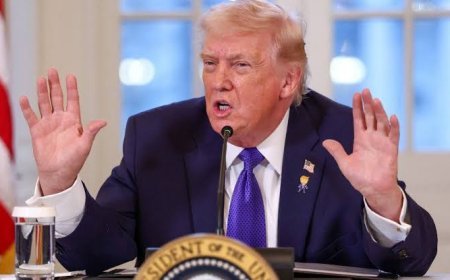
Donald Trump says he wants to “win” in Iran, a word he uses as casually as if he were negotiating a hotel deal or a reality TV contract, yet the uncomfortable reality for Washington is that there is no version of an Iran conflict that ends with a clean victory, a victory parade, and a neat political trophy for Trump to display in his next campaign speech.
Advertisement
Advertisement
Advertisement
Advertisement
The fantasy of an easy win collapses the moment one understands what Iran actually is, which is not a fragile client state like Venezuela, not a terrorist cell that can be decapitated with a single drone strike, and not a minor regional actor that folds under pressure, but a deeply ideological system with decades of experience surviving sanctions, covert operations, assassinations, cyber warfare, and international isolation, a state that has been preparing psychologically, militarily, and politically for a confrontation with the United States since 1979.
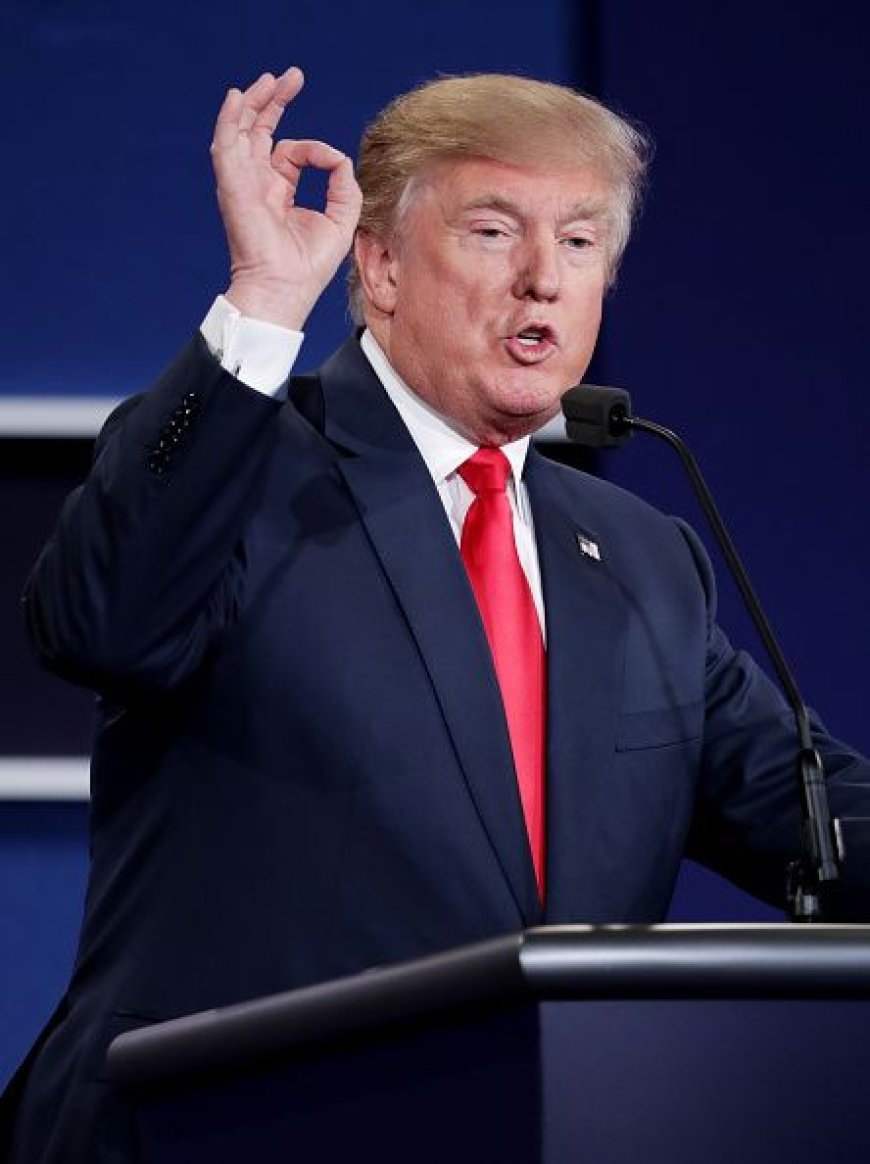
Trump’s core problem is structural rather than tactical, because Iran is not simply a government that can be removed like a bad manager, it is a political system that defines itself through resistance, meaning that any external attack, especially one targeting the top leadership, risks transforming internal dissent into nationalist rage, effectively rescuing the regime at the exact moment it appears most vulnerable.
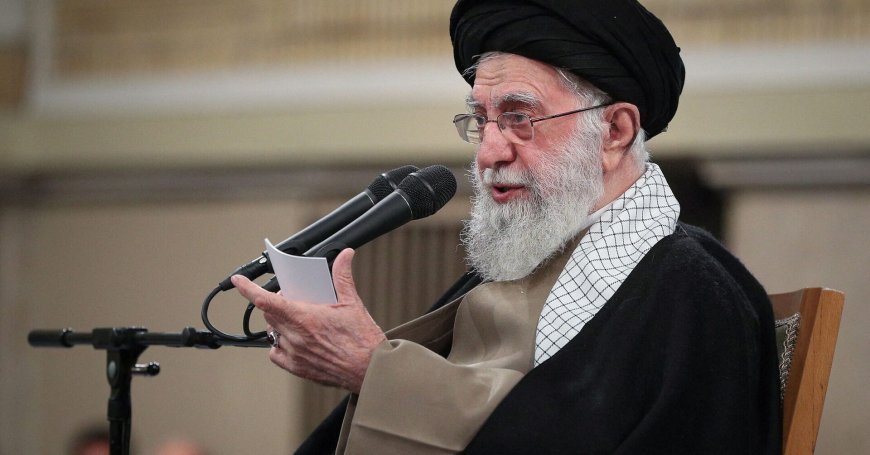
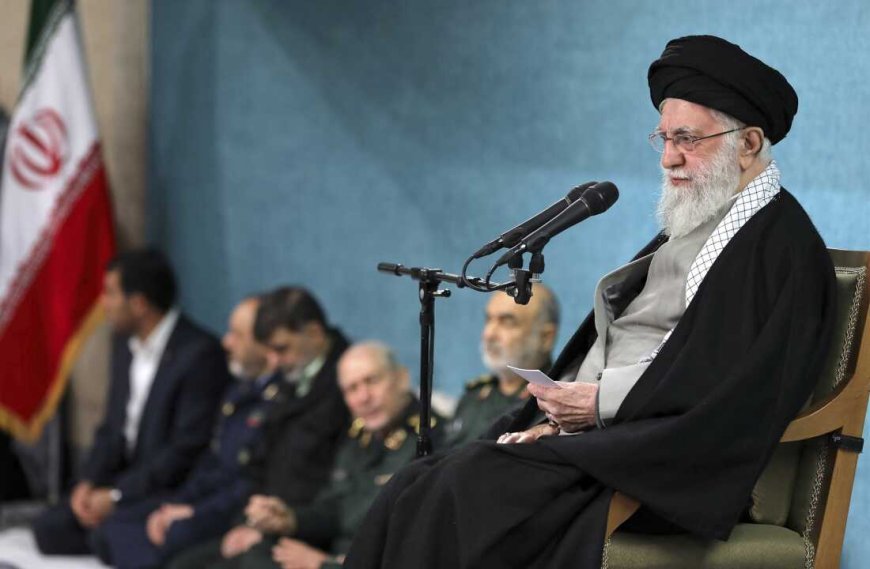
Analysts have been blunt about this, warning that even a so-called decapitation strike aimed at Supreme Leader Ali Khamenei or senior officials may fail to collapse the state and instead produce the worst possible outcome for Washington, which is a wounded but unified Iran that now feels it has nothing left to lose.
This is where Trump’s language becomes dangerous, because “winning” in Iran would not look like winning in Trump’s political imagination, it would require either total regime collapse, which historically demands boots on the ground and long-term occupation, or a sustained air and naval campaign that risks spiraling into a regional war involving US bases, Gulf allies, oil infrastructure, and global shipping routes, all of which would drive energy prices through the roof and destabilize economies far beyond the Middle East.
The irony is that Trump once marketed himself as the anti-war president, the man who would pull America out of endless conflicts, who mocked previous administrations for wasting trillions in Iraq and Afghanistan, and who promised to focus on domestic priorities instead of foreign adventures, yet his own rhetoric toward Iran now positions him as something close to a humanitarian interventionist, cornered by his own public threats and moral posturing.
When protests erupted across Iran and the regime responded with brutal force, Trump publicly promised that America was “locked and loaded,” encouraging demonstrators to seize state institutions while assuring them that help was on the way, a statement that sounded bold on social media but was strategically reckless in reality, because it raised expectations he could neither fulfill nor safely ignore.
The problem for Trump is that once you publicly signal intervention, walking away looks like weakness, but following through risks catastrophe, and this is exactly the kind of trap that has consumed American presidents for generations, where credibility becomes more important than consequences and symbolism replaces strategy.
Some in Washington appear to believe that Iran will respond to US strikes the way it did after the killing of Qassem Soleimani or the bombing of nuclear facilities, with symbolic retaliation designed to save face while avoiding escalation, but this assumption ignores a critical shift inside Iran itself, which is that the regime now views internal unrest as an existential threat, meaning any external action that risks reigniting mass protests may provoke a far more aggressive and unpredictable response.
In other words, Iran no longer has the luxury of strategic patience, because from its perspective, restraint has failed to deliver security, stability, or legitimacy, and desperation is historically one of the most dangerous emotional states for a government with a large military and nothing left to protect but survival.
Experts argue that Iran does not need to defeat the United States militarily to “win” in political terms, it only needs to make the war so expensive, so chaotic, and so economically damaging that it destroys Trump’s presidency, triggers global market panic, and convinces American voters that another Middle Eastern war was a catastrophic mistake, which in modern politics is often more decisive than battlefield outcomes.
This is the strategic asymmetry Trump seems unwilling to accept, because while Washington measures success in terms of regime change, territorial control, or military dominance, Tehran measures success in terms of endurance, disruption, and political damage, and in a prolonged conflict, those metrics favor the side that is willing to suffer more.
Trump’s confidence also appears inflated by his previous “wins,” from the killing of ISIS leader Abu Bakr al-Baghdadi to the high-profile assassination of Soleimani, and even his bizarre attempt to abduct Venezuela’s president, all of which reinforced his belief that decisive force produces quick results, yet Iran operates on a completely different scale, with layered defense systems, proxy networks across the region, and the capacity to turn almost any confrontation into a multi-front crisis.
The most dangerous scenario is not an immediate full-scale war, but a gradual slide into escalation, where a limited US strike leads to Iranian retaliation, which triggers further American responses, slowly expanding the conflict until neither side can politically afford to stop, a pattern that history has repeatedly shown is how “short wars” turn into decade-long disasters.
Trump’s own National Security Strategy, released not long ago, explicitly argued that the Middle East no longer deserves central focus in US foreign policy and that America should move away from interventionist thinking, yet his current posture toward Iran contradicts that doctrine entirely, revealing a familiar contradiction in his leadership style, where grand strategic statements collapse under the pressure of emotional reactions and public bravado.
The uncomfortable truth is that Trump has no clean exit, no surgical option, and no realistic path to a symbolic victory that does not risk massive unintended consequences, because Iran is not a target that can be neutralized, it is a system that can only be transformed internally or crushed externally, and both paths are either uncertain or catastrophically expensive.
In this sense, the idea of “winning” in Iran is not just unrealistic, it is conceptually flawed, because the conflict itself is designed in such a way that the longer it lasts, the more it erodes the very political stability Trump needs to maintain power, making Iran not a battlefield where he can project strength, but a trap where every move weakens him further.
Trump may still believe that brute force and public threats can bend Iran to his will, but history suggests the opposite, that Iran specializes in surviving pressure, absorbing punishment, and waiting for political cycles in Washington to do the work that missiles cannot, which means that in the long game, the most likely casualty of a US-Iran war is not the Iranian regime, but the Trump presidency itself.
Advertisement