Trump Weighs Major Iran Strike as Nuclear Talks Stall
Rising military tensions and stalled diplomacy push Washington and Tehran closer to confrontation as strategic pressure escalates across the Middle East.
 Ronald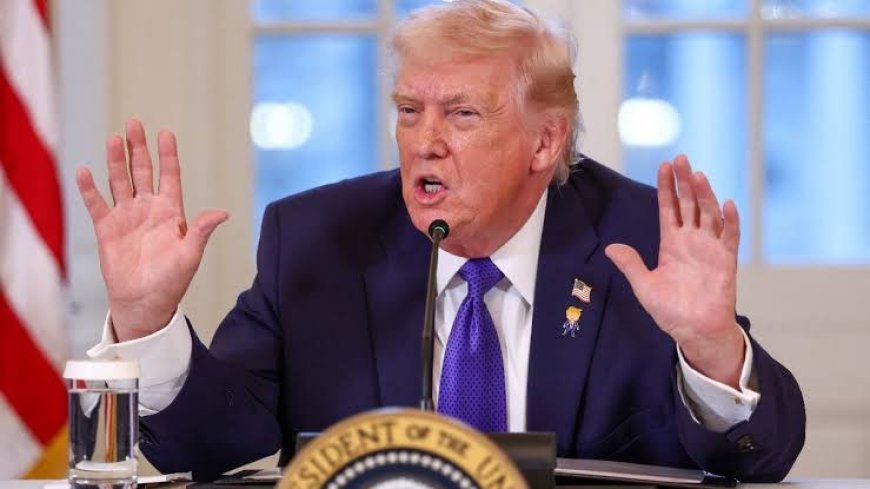
Advertisement
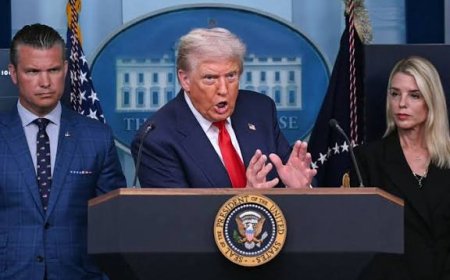
The possibility of renewed military confrontation between the United States and Iran has intensified as diplomatic efforts to curb Tehran’s nuclear and ballistic missile capabilities show little progress. President Donald Trump is weighing potential military options following stalled preliminary discussions, signaling a shift from negotiation to strategic pressure.
Advertisement
Advertisement
Advertisement
Advertisement
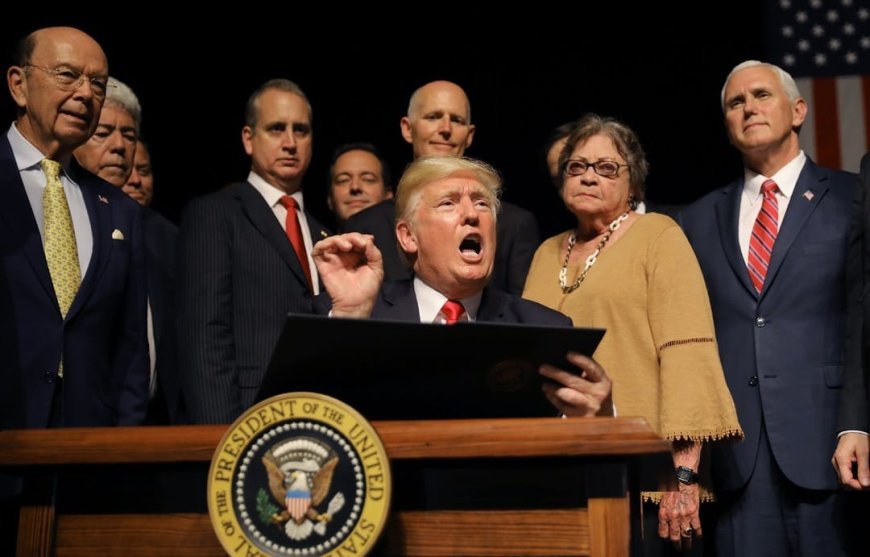
The renewed tensions reflect a broader recalibration of Washington’s approach toward Iran, with military readiness increasingly emphasized alongside diplomatic demands. U.S. officials have indicated that available options range from targeted strikes on nuclear infrastructure to broader operations aimed at strategic leadership and security institutions. No final decision has been announced, but expanded military positioning in the region has increased operational flexibility.
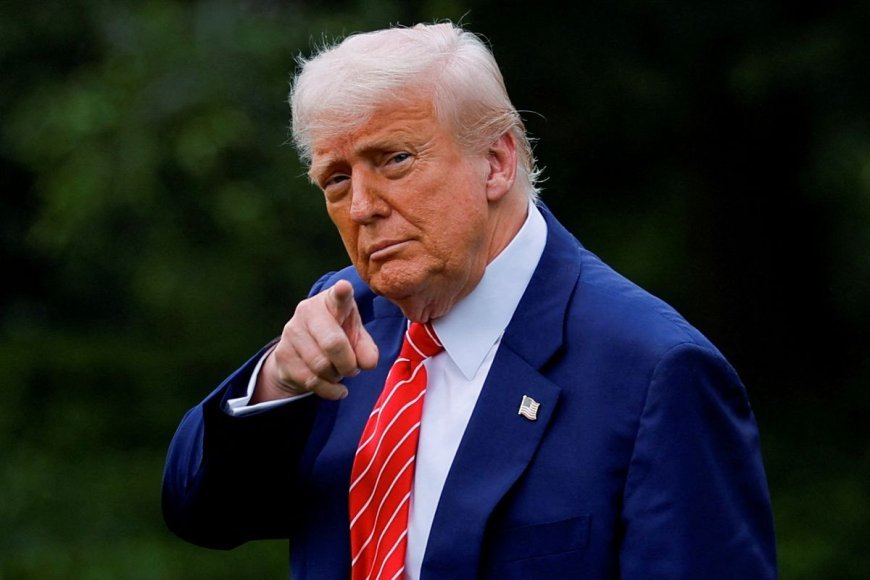
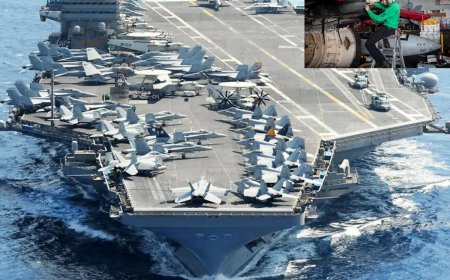
A U.S. carrier strike group operating near Iran underscores the evolving strategic posture. The deployment strengthens regional deterrence while also providing capacity for rapid response should diplomatic efforts collapse entirely. Additional defensive systems have also been moved into the region to protect American personnel and allied assets from potential retaliation.
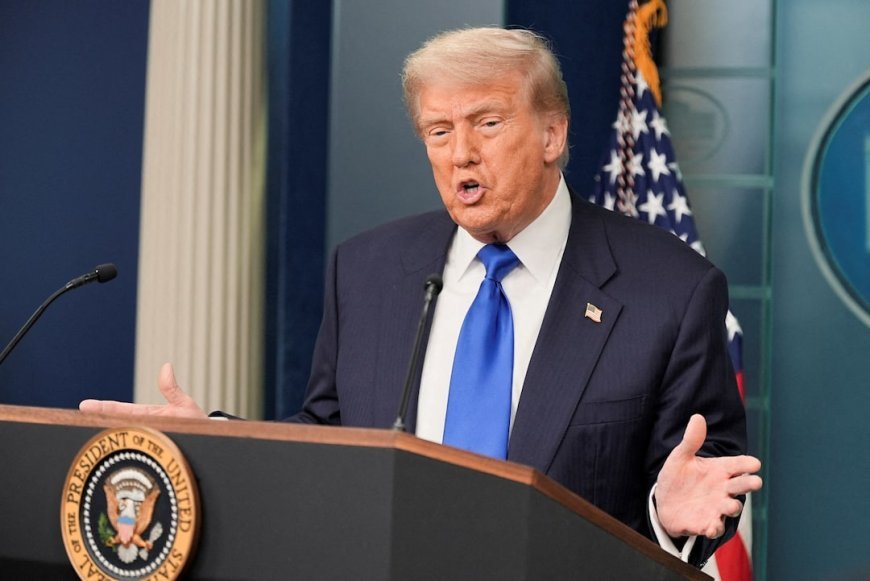
Tehran has responded with strong warnings, framing any military action as an act of war and signaling readiness for immediate countermeasures. Iranian leadership has emphasized both defensive preparedness and conditional openness to negotiations, underscoring the dual-track dynamic that continues to define the standoff.
At the center of the diplomatic impasse are competing demands over nuclear enrichment, missile capabilities and regional influence. Washington has sought comprehensive limits across multiple security domains, while Iran has signaled willingness to discuss nuclear issues but resisted broader concessions. The disagreement has produced a strategic deadlock that has narrowed diplomatic pathways.
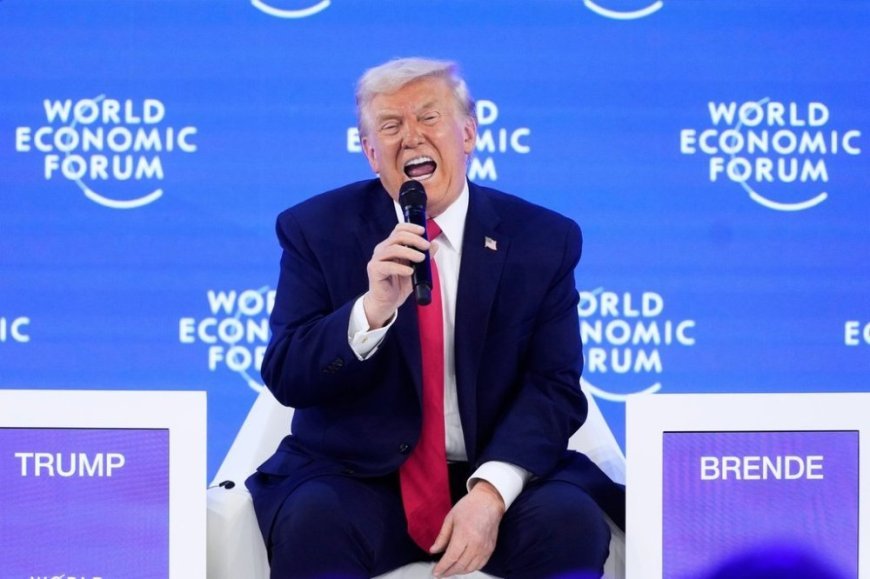
The situation unfolds against a backdrop of domestic unrest within Iran and heightened geopolitical sensitivity across the Middle East. Regional actors are closely monitoring developments amid concerns that escalation could destabilize security balances and disrupt global energy markets. Rising oil prices reflect investor anxiety about potential supply disruptions tied to military conflict.
Strategic assessments within Washington suggest Iran faces internal vulnerabilities, yet policymakers remain cautious about the unpredictable consequences of military intervention. Analysts note that while pressure may influence negotiation dynamics, decisive outcomes remain uncertain given Iran’s defensive capabilities and regional reach.
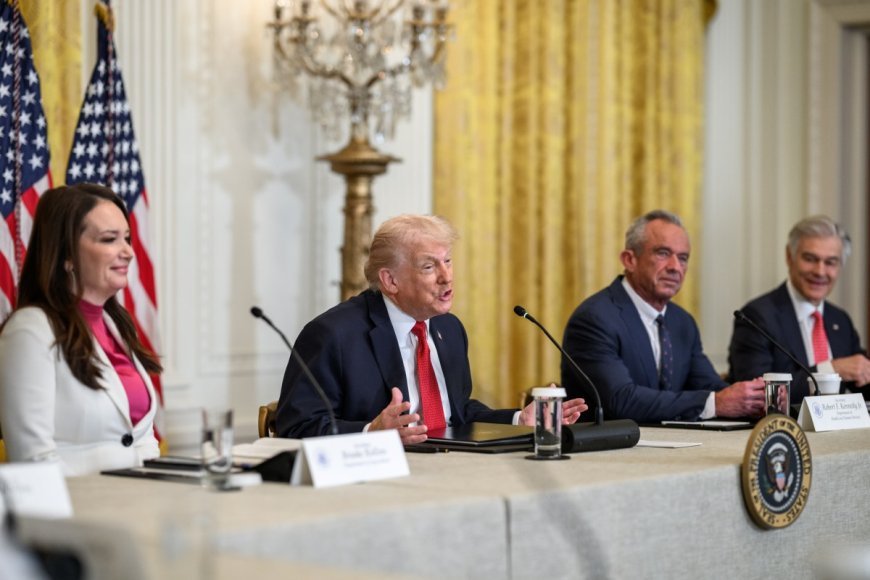
The convergence of stalled diplomacy, military signaling and geopolitical risk marks a critical moment in U.S.–Iran relations. Whether the current trajectory leads to renewed negotiations or escalates into direct confrontation will likely shape the broader security environment across the Middle East and beyond.
Advertisement