Trump Warns Iran to Strike Nuclear Deal or Face “Far Worse” US Attack
Donald Trump warns Iran to agree to a nuclear deal or risk a significantly escalated US military strike, as Tehran vows immediate retaliation and regional tensions intensify
 Ronald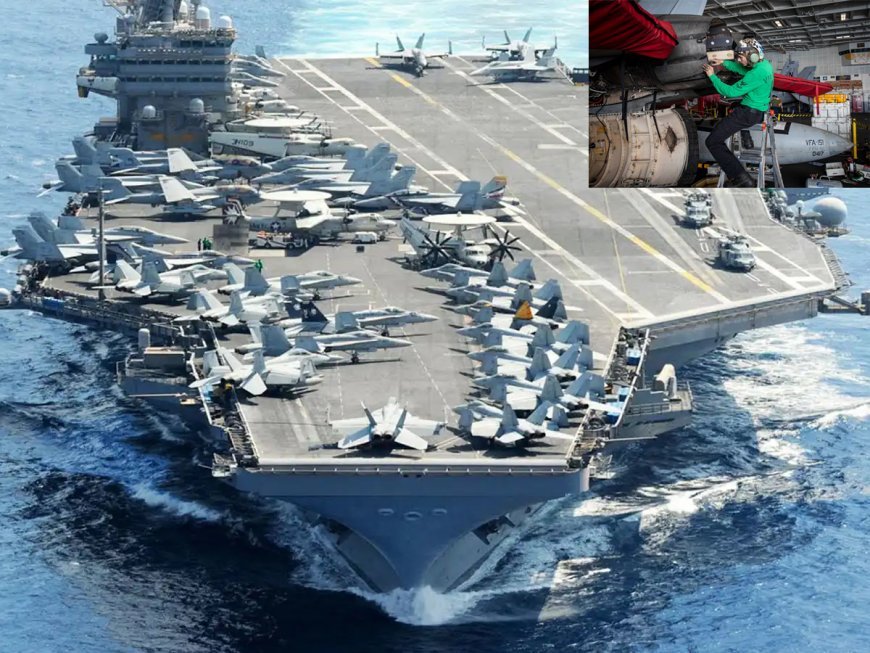
Advertisement
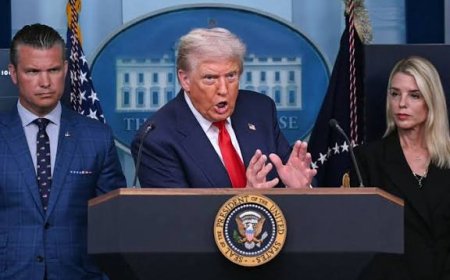
President Donald Trump has issued a renewed warning to Iran, urging Tehran to agree to a nuclear deal or face a significantly escalated US military response.
Advertisement
Advertisement
Advertisement
Advertisement
In a social media statement, Trump called on Iran to negotiate a “fair and equitable” agreement that would guarantee the country does not develop nuclear weapons. He warned that failure to reach a deal could trigger a new US strike more severe than previous operations targeting Iranian nuclear facilities.
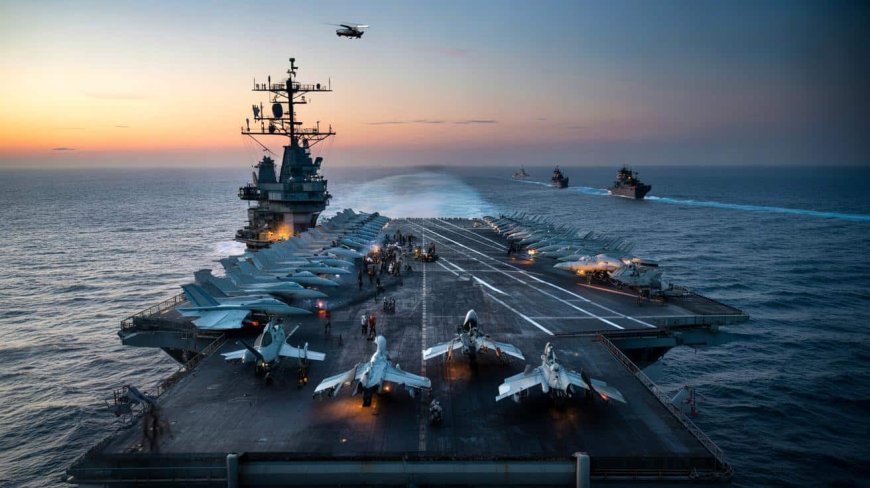
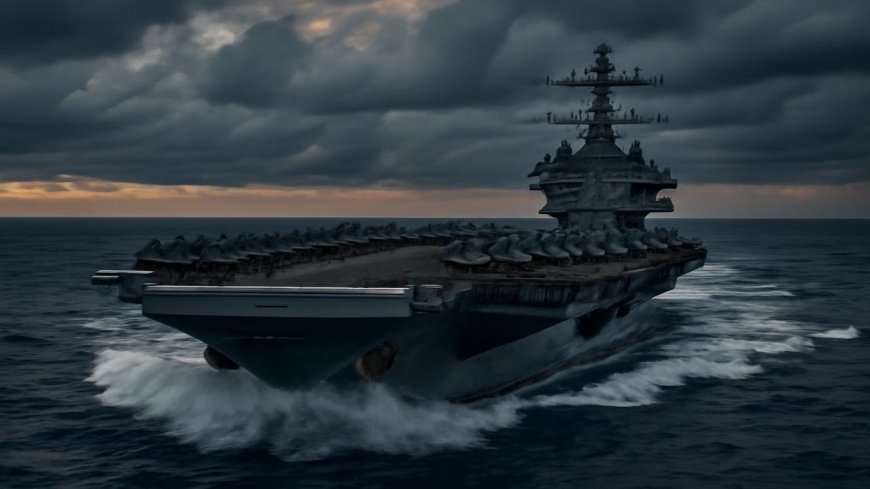
The warning comes amid an expanding US military presence in the Middle East, including the deployment of a naval strike group led by the aircraft carrier USS Abraham Lincoln. US officials say the buildup is intended to pressure Tehran while preserving military readiness.
Iran responded swiftly, signaling readiness to retaliate against the United States and its allies if military action occurs. Senior Iranian officials said their armed forces are prepared to respond immediately to any aggression and emphasized that any confrontation would carry regional consequences.
Despite the escalation in rhetoric, Iranian leadership reiterated openness to negotiations under conditions that preserve what it describes as its right to peaceful nuclear technology. Tehran maintains its program is civilian in nature and rejects demands to fully halt uranium enrichment.
The confrontation unfolds as Washington argues that Iran’s political and economic stability has weakened following domestic unrest and previous military strikes. US officials believe this moment increases leverage for negotiations, though no direct talks are currently underway.
European governments are also weighing additional pressure on Tehran, including potential new sanctions tied to Iran’s internal security crackdown and regional military posture.
With both sides signaling willingness to negotiate but refusing key concessions, the standoff reflects a deepening diplomatic deadlock shaped by military deterrence, competing strategic demands and mounting geopolitical risk across the Middle East.
Advertisement