Epstein Files vs. Trump Team Claims: A Growing Credibility Gap
Newly released Epstein records challenge multiple public claims made by Donald Trump and his administration, raising fresh questions about knowledge, associations, and transparency.
 Ronald
Advertisement
A new wave of disclosures from the federal archive tied to Jeffrey Epstein is widening the gap between public claims made by Donald Trump and the documentary record now emerging from millions of pages of investigative material.
Advertisement
Advertisement
Advertisement
Advertisement
The files, released under congressional mandate and administered by the U.S. Department of Justice, do not establish criminal liability related to Trump. However, they introduce evidence and testimony that complicate several long-standing assertions by Trump administration officials regarding knowledge of Epstein’s conduct, the scope of associations, and the content of federal investigative records.
Knowledge of Epstein’s Conduct
Trump has repeatedly stated he had no awareness of Epstein’s exploitation of minors prior to public investigations. Yet newly surfaced interview notes from the Federal Bureau of Investigation recount a mid-2000s conversation in which Trump reportedly told a law enforcement official he was glad authorities were “stopping” Epstein because “everyone has known he’s been doing this.”
The same account describes Trump recalling an encounter involving Epstein and teenage girls that prompted him to leave abruptly. Administration officials, including press secretary Karoline Leavitt, have not confirmed the details but suggested such accounts would align with Trump’s position that he distanced himself from Epstein years earlier.
The broader record also documents the recruitment of Epstein survivor Virginia Giuffre from Trump’s Mar-a-Lago property by Ghislaine Maxwell, a fact Trump previously acknowledged while maintaining he was unaware of its purpose.
Disputed Scope of the Files
Testimony by FBI Director Kash Patel has also drawn scrutiny. Patel told lawmakers the president’s name appeared in the Epstein archive fewer than 100 times. Document searches conducted following the release indicate Trump is referenced far more frequently across investigative records, correspondence, and related materials.
Similarly, Patel previously stated there was no credible information indicating Epstein trafficked individuals to other powerful figures. After reviewing unredacted materials, lawmakers including Thomas Massie and Ro Khanna said the files reference additional individuals flagged within investigative frameworks as potential associates or subjects of interest. Federal officials have emphasized that the appearance of a name in investigative material does not constitute evidence of wrongdoing.
Redactions and Transparency Disputes
Administration representatives initially stated that document redactions protected victims and law enforcement personnel and did not conceal male associates. Subsequent revisions to released materials revealed that some redacted names belonged to men not affiliated with law enforcement, contradicting earlier characterizations of the redaction process.
These discrepancies have intensified debate over how investigative transparency is being managed and whether political considerations influenced early public descriptions of the files’ contents.
Conflicting Accounts from Administration Figures
The document archive also complicates statements from Commerce Secretary Howard Lutnick, who previously said he severed all ties with Epstein in 2005. Records indicate later contacts between the two, including a confirmed family visit to Epstein’s private island in 2012. The revelation has prompted criticism from lawmakers, including John Kennedy, who said the discrepancy warrants explanation.
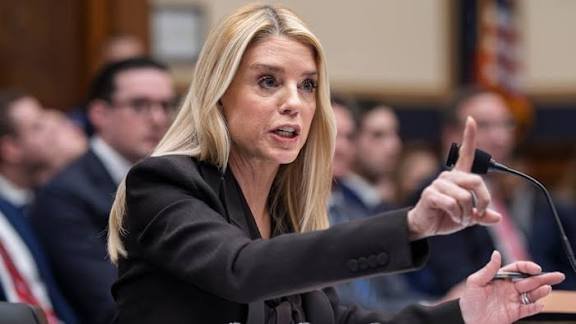
Meanwhile, Attorney General Pam Bondi and other officials have maintained that certain allegations contained in the files remain unverified and should not be treated as established fact.
Political and Institutional Implications
Taken together, the evolving documentary record illustrates how large-scale investigative disclosures can reshape public narratives even without producing definitive legal findings. The tension between official statements and emerging evidence is reinforcing broader questions about credibility, institutional transparency, and the management of politically sensitive investigations.

The significance of the Epstein archive may ultimately lie less in any single claim than in what the release reveals about how power, reputation, and federal oversight intersect when investigations reach the highest levels of political influence.
Advertisement