Netanyahu Urges Harder Iran Line as Trump Considers Escalation
Israeli Prime Minister Benjamin Netanyahu presses President Trump for a tougher stance on Iran during a White House visit as nuclear negotiations stall and regional tensions rise.
 Ronald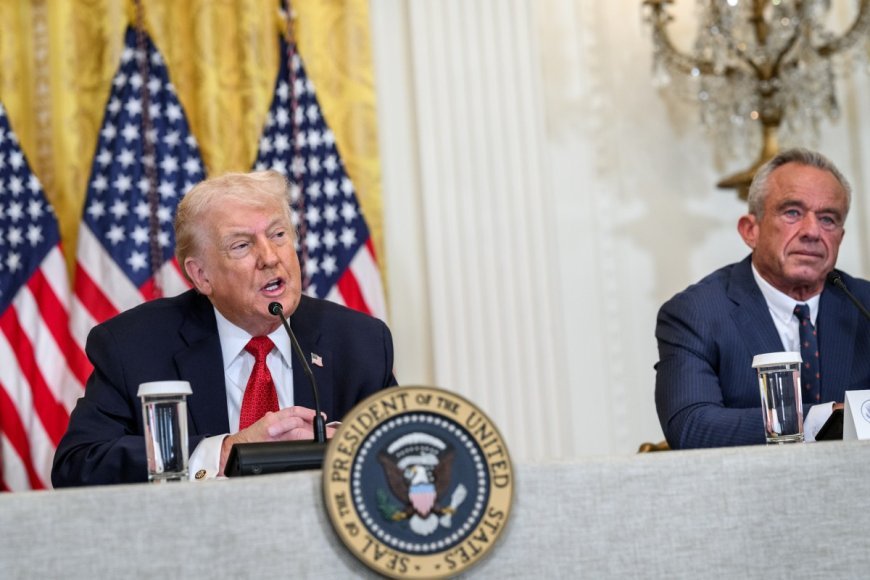
Advertisement
Israeli Prime Minister Benjamin Netanyahu is set to press President Donald Trump to adopt a tougher negotiating stance toward Iran during a high-level White House meeting, as tensions surrounding Tehran’s nuclear and missile programs intensify.
Advertisement
Advertisement
Advertisement
Advertisement
The meeting comes as Trump signals he is considering deploying additional US naval forces to the Middle East to pressure Iran into accepting a nuclear agreement. Netanyahu is expected to urge Washington not only to maintain pressure on Iran’s nuclear activities but also to impose stricter demands on its ballistic missile program.
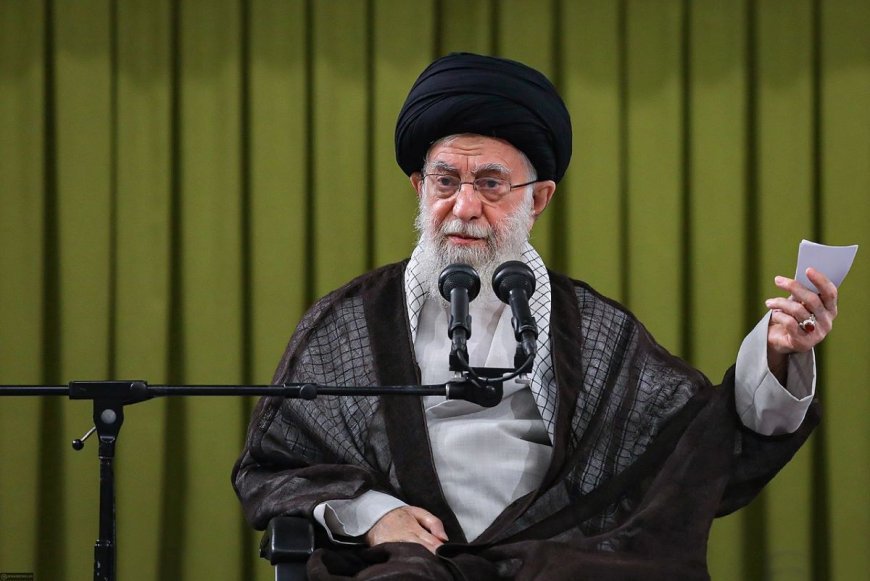
Iran has warned against external interference in ongoing diplomacy and has rejected what it describes as excessive demands. Iranian President Masoud Pezeshkian said Tehran will not yield to pressure over its nuclear program while maintaining that the country is not pursuing nuclear weapons.
Netanyahu advanced his Washington visit amid renewed US-Iran contacts conducted through intermediaries in Oman. The Israeli leader had originally planned to travel later for a separate international initiative but moved up the trip as negotiations gained urgency.
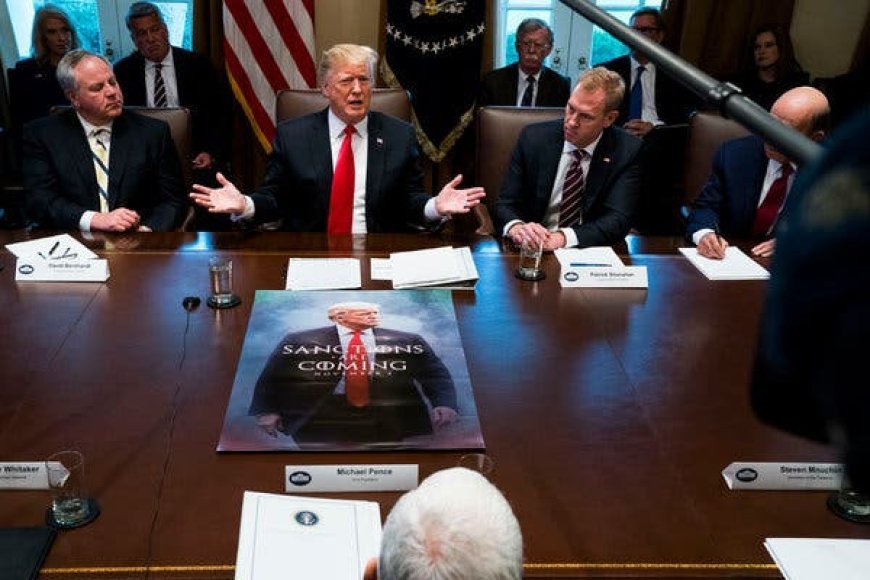
The White House meeting takes place against a broader backdrop of domestic and foreign policy developments. Federal prosecutors recently failed to secure indictments against Democratic lawmakers over a video addressing military personnel about unlawful orders. Meanwhile, tensions between Washington and Ottawa continue over a cross-border infrastructure dispute involving a new US-Canada bridge project.
Additional political friction emerged after reports linked Trump’s opposition to the bridge’s opening to lobbying by interests connected to a competing private crossing. Canadian officials have disputed the president’s claims about the project’s ownership and financing.
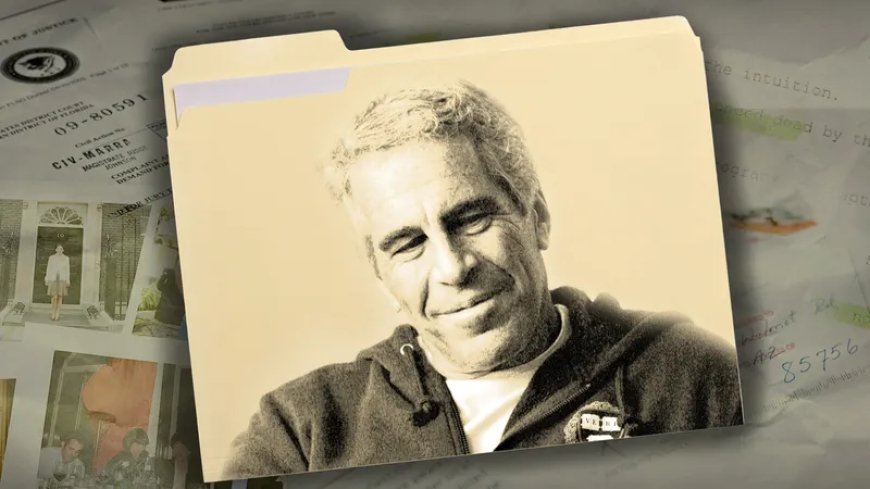
The administration also faces scrutiny over its handling of records related to Jeffrey Epstein, while legal challenges continue over the president’s authority to impose tariffs under emergency powers.
Together, the developments reflect a period of heightened geopolitical uncertainty, with Iran policy once again emerging as a central focus of US foreign strategy.
Advertisement