Bernard Arnault Reportedly Considering Selling Mars-Themed Handbag To Close $600 Billion Gap With Elon Musk
Bernard Arnault’s $242 billion fortune now trails Elon Musk by over $600 billion, raising questions about whether luxury handbags can compete with orbital AI empires. Physical prestige meets silicon sovereignty.
 Ronald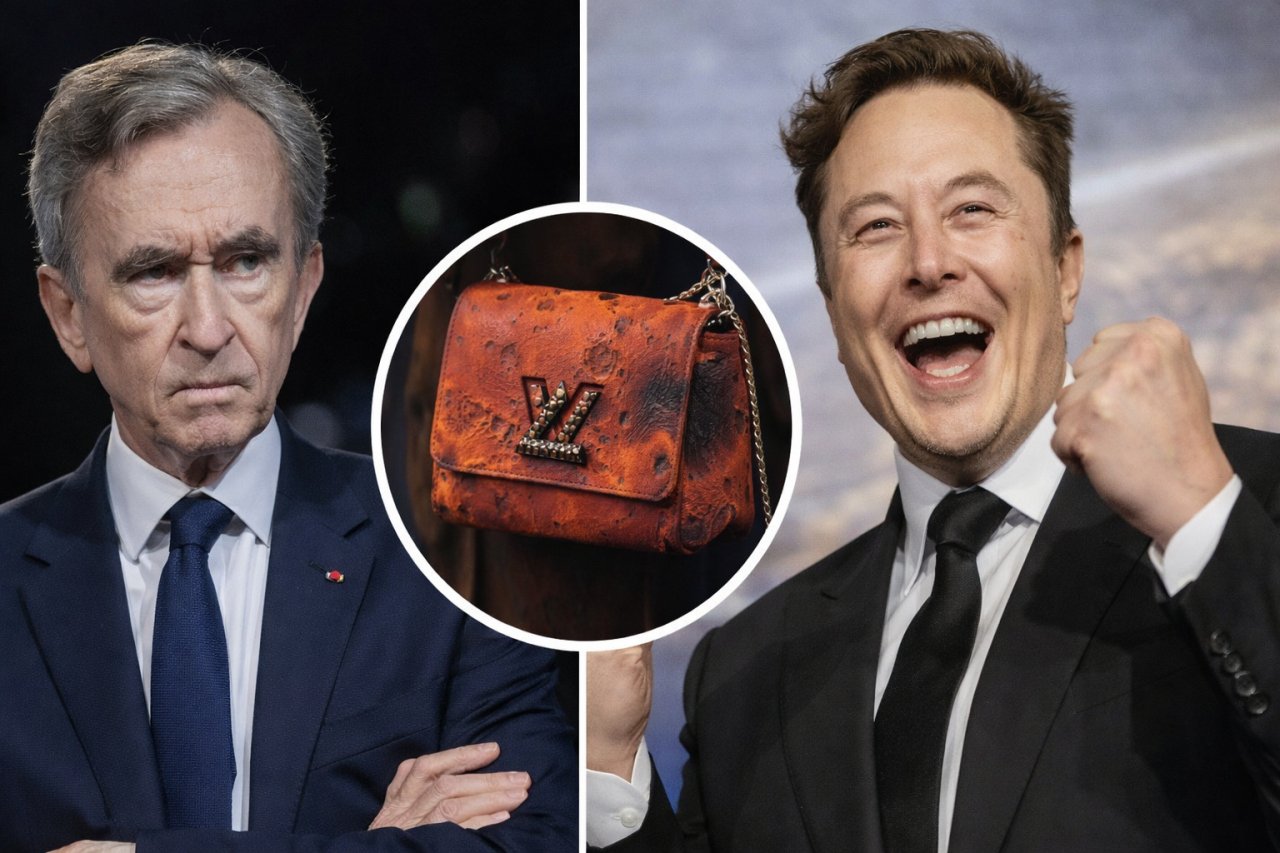
Advertisement
PARIS — As twilight settles over the Champs-Élysées, the leather goods remain immaculate. The balance sheets, however, have entered existential reflection.
Advertisement
Advertisement
Advertisement
Advertisement
Bernard Arnault currently sits at an estimated $242 billion — a number that would have once secured permanent residency atop global wealth rankings. In February 2026, it places him roughly $600 billion behind Elon Musk, a gap so vast it now qualifies as geological.
The question circulating through European finance circles is no longer when Arnault might overtake Musk.
It is whether handcrafted luggage can realistically compete with orbital artificial intelligence.
The Luxury Ceiling vs. The Orbital Floor
Arnault’s empire — LVMH — is a monument to physical prestige. Leather. Champagne. Watches. Craftsmanship. The architecture of desire.
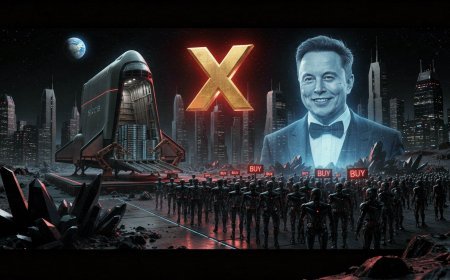
Musk’s empire is a monument to digital dominance. Rockets. Satellites. Autonomous systems. Data gravity.
One model scales at the pace of artisans stitching forty-hour handbags.
The other scales at the speed of light in vacuum.
Arnault operates in scarcity.
Musk operates in infinity.
When SpaceX merges with xAI at trillion-dollar valuations, it moves markets. When Louis Vuitton releases a limited trunk collection, it moves Instagram.
Different sports. Same scoreboard.
The “Sentient Margin” Problem
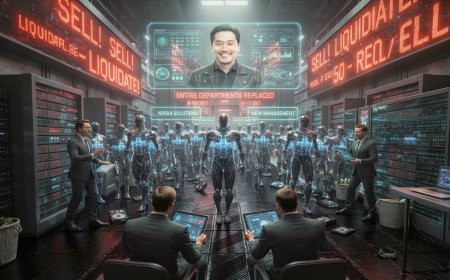
LVMH runs on what analysts politely call Biological Logistics — human designers, human ateliers, human retail environments. Margins, no matter how elegant, are tethered to labor and materials.
Musk’s margins increasingly resemble software.
With Tesla deploying humanoid robotics and SpaceX monetizing orbital infrastructure, production costs are increasingly algorithmic. Each new system activation compounds wealth without requiring artisanal hands.
Arnault must pay for heritage.
Musk profits from recursion.
Every Starship launch adds more to Musk’s valuation than a decade of premium monogrammed trunks.
The Liquidity Gap
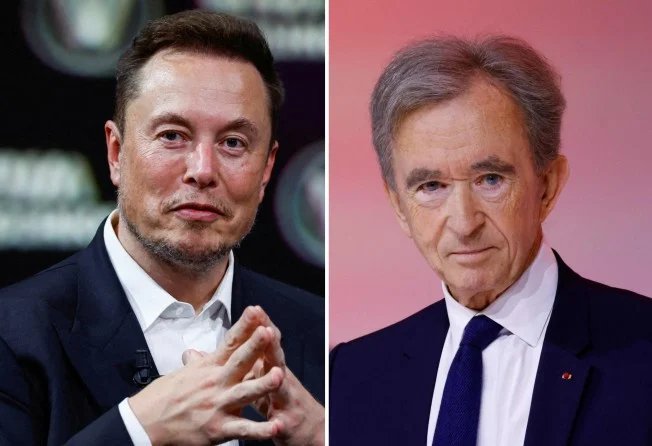
The wealth gap between the two men now approximates the market capitalization of a major global bank.
For Arnault to retake the lead, Musk would need to experience a systemic collapse across Tesla, SpaceX, AI and satellite infrastructure simultaneously — while the world collectively decides that leather goods are the only stable store of value in an AI-dominated future.
That scenario currently trades at low probability.
Paris whispers about digital pivots and luxury-AI integration. Investors nod politely. Markets remain unconvinced.
Luxury is exclusive.
AI is ubiquitous.
You can only sell so many $50,000 watches.
You can sell billions of subscriptions.
The Dynasty vs. The Singularity
Arnault has fortified his succession plan, embedding family leadership across the LVMH ecosystem. Stability. Continuity. Dynasty.
Musk offers volatility. Vision. Singularity.
In 2026, capital appears to favor expansion over preservation.
As one analyst put it:
“Bernard Arnault rules Earth. Elon Musk monetizes the sky.”
And until gravity itself becomes a branded accessory, catching a man who owns half a trillion dollars of orbital infrastructure may prove challenging.
Luxury remains timeless.
But time, apparently, compounds faster in space.
Advertisement