Supreme Court Says No to Tariffs, Trump Says ‘Make It 15%’ and Blames Foreign Conspiracy Anyway
After the Supreme Court struck down his sweeping tariffs in a 6–3 ruling, Donald Trump raised global tariffs to 15% and accused the justices of being swayed by foreign interests. Democrats cheered. Markets braced.
 Ronald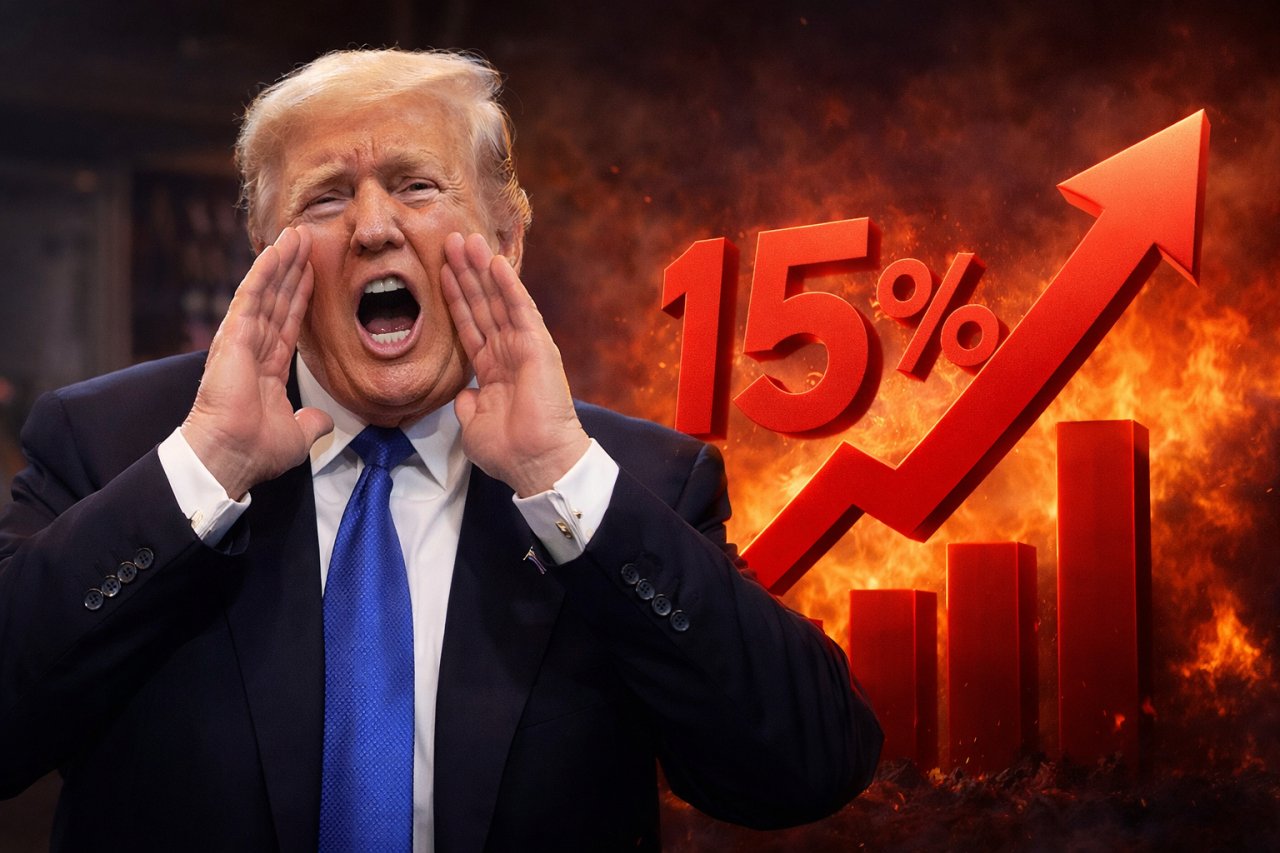
Advertisement
WASHINGTON — The Supreme Court ruled that President Donald Trump exceeded his authority when he imposed sweeping global tariffs under an emergency powers law.
Advertisement
Advertisement
Advertisement
Advertisement
The following day, Trump responded by raising tariffs.
From 10%.
To 15%.
Because courage.
In a 6–3 decision, the justices concluded that the president did not possess the authority under the International Emergency Economic Powers Act to levy tariffs on nearly all U.S. trading partners. Chief Justice John Roberts joined the majority, along with both conservative and liberal justices.
Trump’s reaction was swift and theatrical.
“I’m ashamed of certain members of the court,” he said. “Absolutely ashamed.”
He accused some justices of lacking courage, labeled them “fools,” and described them as “lapdogs for the RINOs and the radical left Democrats.”
For added seasoning, he suggested—without evidence—that foreign interests may have influenced the ruling.
Yes.
Foreign influence.
On the Supreme Court.
The same court that delivered multiple conservative victories in recent years.
But context is optional in a tariff war.
The 15% Counterstrike
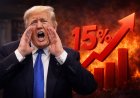
Less than 24 hours after the ruling, Trump announced he would raise the temporary global tariff rate to the “fully allowed and legally tested 15% level.”
The increase relies on a separate statutory authority that caps tariffs at 15% for 150 days without congressional extension.
The message was clear:
If one door closes, install a bigger one.
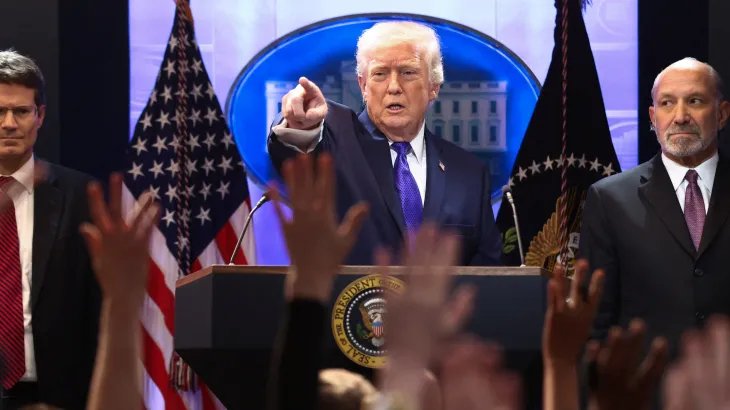
Democrats Discover the Constitution
Democratic leaders praised the court’s decision.
“Trump’s tariff tax was illegal, and the courts agreed,” one lawmaker said, describing the tariffs as “attacks on the American people.”
Meanwhile, small businesses are reportedly watching closely. The U.S. has already collected approximately $175 billion in tariff revenue while the prior duties were in effect.
Refund requests are hovering in the realm of hope.
Pivot: Iran
As tariff tensions escalated, Trump also expressed renewed concern for the Iranian people, citing reports of mass executions and stating that Iranians have “lived like they’ve lived in hell.”
Earlier in the week, he said he was considering a limited military strike on Iran.
Because when trade disputes intensify, the foreign policy docket is never far behind.
The Broader Picture
The Supreme Court drew a constitutional boundary.
The White House responded with a 5% increase.
Democrats applauded judicial restraint.
Markets recalibrated.
And somewhere in Washington, the definition of “legally tested” is being updated in real time.
In the era of modern trade strategy, defeat is temporary.
Tariff rates are adjustable.
And outrage remains a renewable resource.
Advertisement