Canada Briefly Celebrates Trump's Tariff Reversal Before Remembering 15% Still Exists
Canada’s celebration fades as Trump replaces struck-down tariffs with a new 15% levy and steel and auto duties remain. USMCA review looms. Ottawa prepares for “predictable” unpredictability.
 Filna
Filna 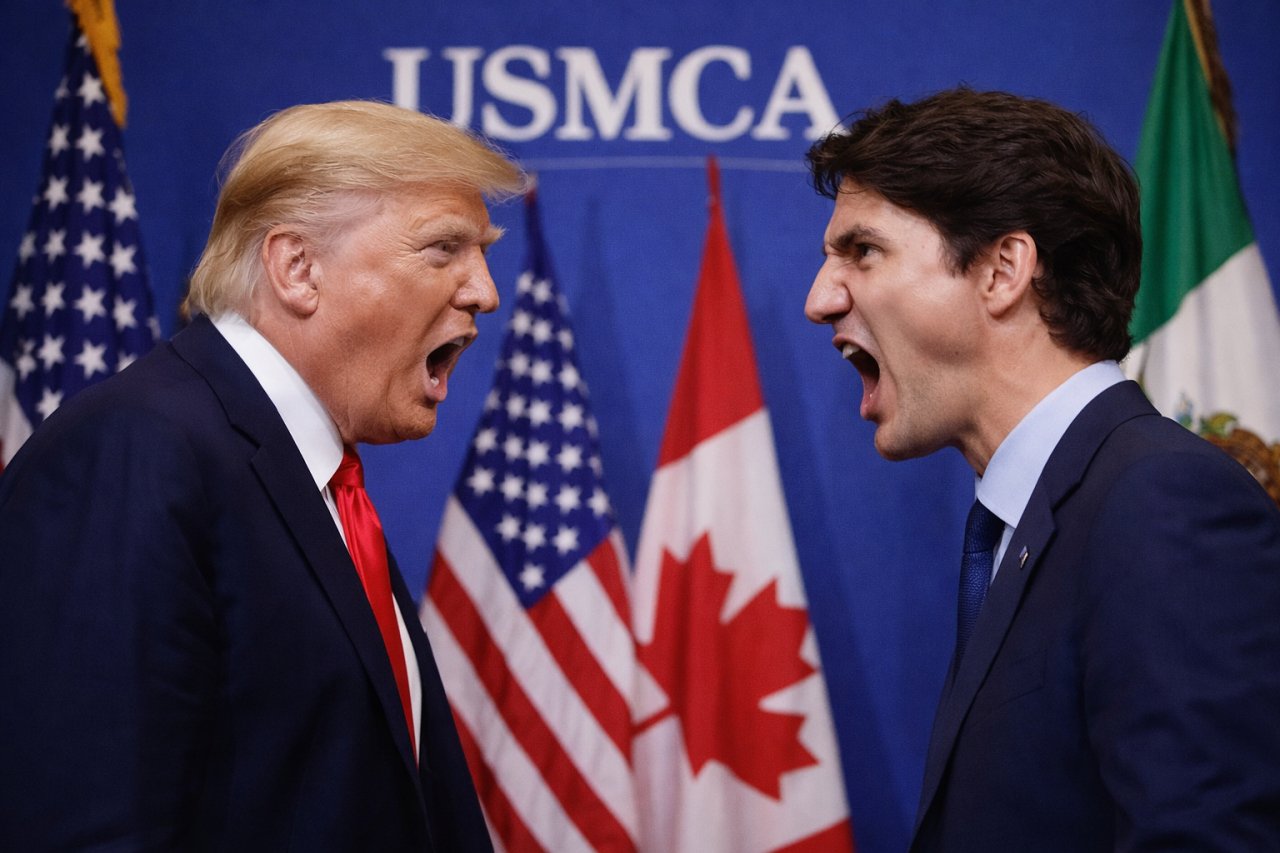
Advertisement
Canada experienced approximately six minutes of cautious optimism after the US Supreme Court struck down President Donald Trump’s global tariffs — including the so-called “fentanyl” levies applied to Canada, China and Mexico — before remembering that trade policy rarely leaves quietly.
Advertisement
Advertisement
Advertisement
Advertisement
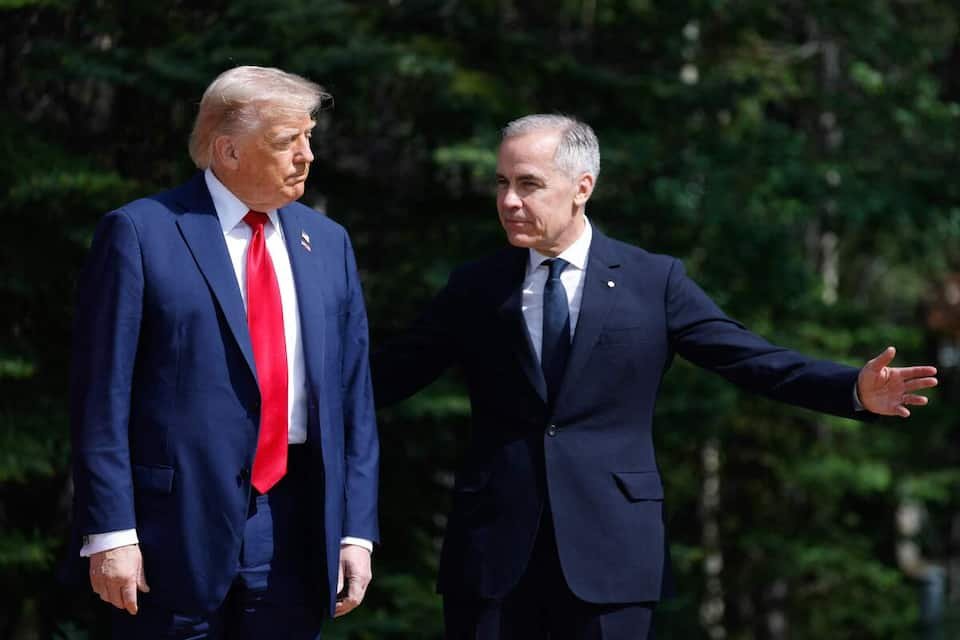
Trade Minister Dominic LeBlanc described the court’s decision as reinforcing Canada’s long-held view that the tariffs were unjustified. He also noted, with diplomatic restraint, that steel, aluminium and automobile tariffs remain in place — and that a 10% global tariff has since been introduced under a different authority, later adjusted to 15%.
Celebration, it turns out, requires careful scheduling.
The practical impact of the Supreme Court’s ruling on Canada is modest. Roughly 85% of trade affected by the original fentanyl tariffs was already exempt under the USMCA framework. The larger issue now is what comes next.
That next chapter includes the upcoming review of the USMCA trade agreement, covering a market of more than 500 million people. All three countries must decide this summer whether to extend the deal. The Trump administration has signaled openness to bilateral agreements rather than a trilateral renewal, adding a layer of negotiation geometry to the proceedings.
US Trade Representative Jamieson Greer has characterized talks with Canada as more challenging than with Mexico, citing barriers related to wine and spirits distribution, dairy import rules, and Canada’s Online Streaming Act, which requires foreign media companies to contribute to Canadian content.
Meanwhile, Canada continues pursuing trade diversification efforts. Approximately 75% of its exports currently flow south. Ottawa’s goal is to double non-US exports by 2035 — a timeline that politely acknowledges current realities.
Business leaders in Canada have responded with familiar language: predictability, stability, rules-based systems. Manufacturers are less concerned with legal victories and more interested in avoiding recurring tariff episodes.
So the scoreboard reads:
Tariffs struck down.
New tariffs introduced.
Sector levies remain.
USMCA review pending.
Celebrations were real.
They were simply brief.
Trade between the two countries remains deeply integrated — and periodically reinterpreted.
Canada adjusts.
Washington recalibrates.
Businesses refresh spreadsheets.
Free trade, as always, is under active management.
Advertisement