Trump Warns Iran “Time Is Running Out” as Military Pressure Intensifies
Escalating rhetoric and expanded U.S. military deployment sharpen tensions with Iran as diplomatic pathways narrow and regional risks grow.
 Ronald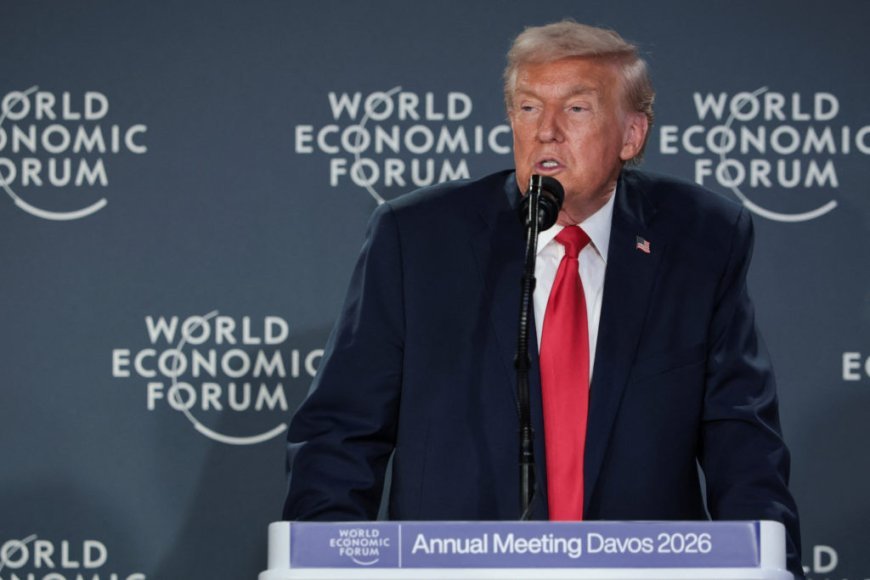
Advertisement
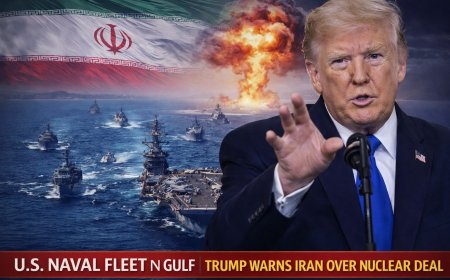
Rising tensions between the United States and Iran have entered a more confrontational phase as Washington intensifies military signaling alongside renewed diplomatic pressure for a nuclear agreement. President Donald Trump’s warning that “time is running out” for Tehran to reach a deal reflects an evolving strategy that places urgency at the center of U.S. policy toward the Islamic Republic.
Advertisement
Advertisement
Advertisement
Advertisement
The deployment of additional American military assets to the Middle East underscores the role of force projection in shaping the diplomatic landscape. The presence of a carrier strike group and expanded defensive capabilities in the region signals preparedness for escalation while simultaneously serving as leverage intended to influence Iran’s strategic calculations. This approach reflects a broader doctrine in which deterrence and negotiation operate simultaneously rather than sequentially.
At the core of the dispute lies a persistent disagreement over the scope of restrictions on Iran’s nuclear and missile programs. Washington’s position calls for sweeping limitations on enrichment capabilities and broader strategic constraints, while Tehran maintains that its nuclear activities remain within its sovereign rights under international frameworks. This structural divergence has repeatedly stalled negotiations, reinforcing a cycle in which diplomatic engagement and coercive pressure proceed in parallel.
Statements from senior U.S. officials frame Iran’s internal political and economic pressures as factors shaping the strategic environment. Assessments that the Iranian government faces mounting domestic strain have contributed to the perception within U.S. policy circles that intensified pressure could alter Tehran’s negotiating posture. At the same time, American officials have acknowledged the complexity of any potential escalation, particularly given the concentration of U.S. personnel and assets within range of Iranian missile and drone capabilities.
Iranian leadership has responded with firm warnings of retaliation, emphasizing defensive readiness while reiterating conditional openness to a negotiated arrangement. This dual posture reflects Tehran’s effort to balance deterrence with diplomatic signaling, projecting resilience while leaving space for engagement under conditions it deems acceptable. The exchange of warnings between Washington and Tehran illustrates a familiar pattern in which rhetorical escalation accompanies strategic maneuvering.
Regional implications extend beyond bilateral tensions, with Gulf states monitoring developments amid concerns over broader conflict risk. The interconnected nature of Middle Eastern security dynamics means that any confrontation would likely reverberate across energy markets, alliance structures and regional stability calculations. Modest increases in oil prices following heightened rhetoric illustrate how geopolitical signaling alone can influence global economic expectations.
The strategic environment is further shaped by the legacy of prior confrontations and ongoing debates about the effectiveness of military intervention as a policy instrument. The potential costs of escalation, both human and economic, remain a central consideration in policy deliberations, particularly as policymakers weigh deterrence credibility against the risks of unintended conflict expansion.
As diplomatic prospects remain uncertain, the interaction between military preparedness and negotiation continues to define the trajectory of U.S.–Iran relations. The balance between pressure and engagement reflects a broader transformation in contemporary international security strategy, in which power projection functions as both a negotiating tool and a stabilizing mechanism.
The evolving confrontation highlights the fragility of strategic equilibrium in a region where political volatility, security competition and economic interdependence intersect. Whether current tensions yield renewed negotiation or further escalation will depend on the capacity of both Washington and Tehran to reconcile competing strategic objectives within an increasingly constrained diplomatic space.
Advertisement