
Trump’s Greenland Push Strains U.S.–Europe Alliance Despite Strategic Gains
Even without acquiring Greenland, U.S. pressure for strategic control has unsettled European allies and raised long-term questions about NATO cohesion
 Ronald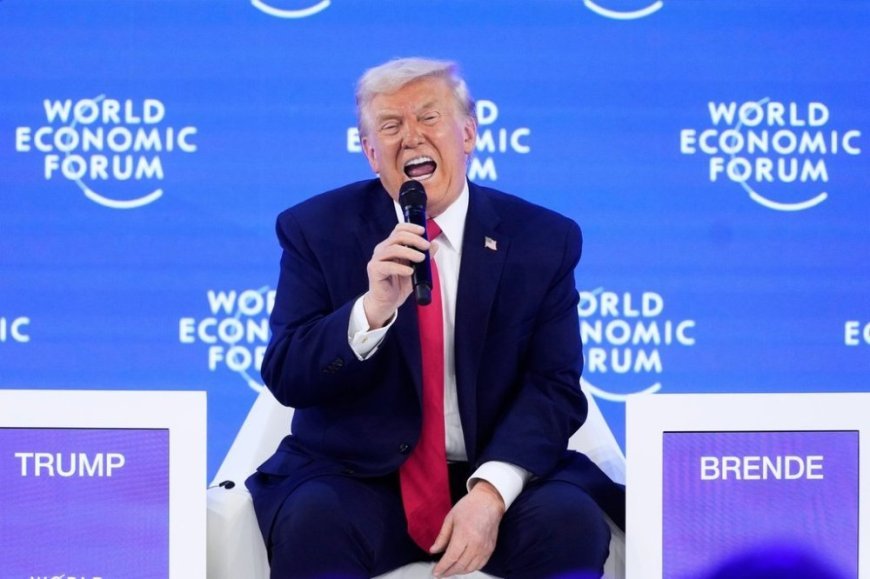
Advertisement
The geopolitical fallout from President Donald Trump’s push for greater U.S. control over Greenland is reshaping transatlantic relations, even as Washington steps back from demands for outright ownership. While the United States appears poised to secure expanded strategic access to the Arctic territory, European allies are grappling with the broader implications for trust and alliance stability.
Advertisement
Advertisement
Advertisement
Advertisement
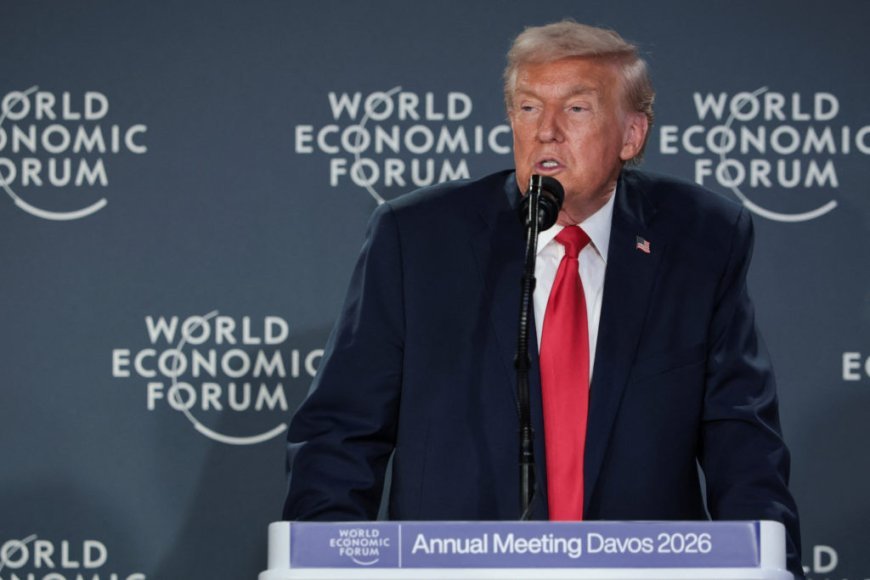
Trump framed the outcome as a strategic success, emphasizing enhanced U.S. security positioning and operational access in Greenland. The Arctic island, a self-governing territory of Denmark, holds increasing military significance due to its geographic location and emerging importance in global security competition.
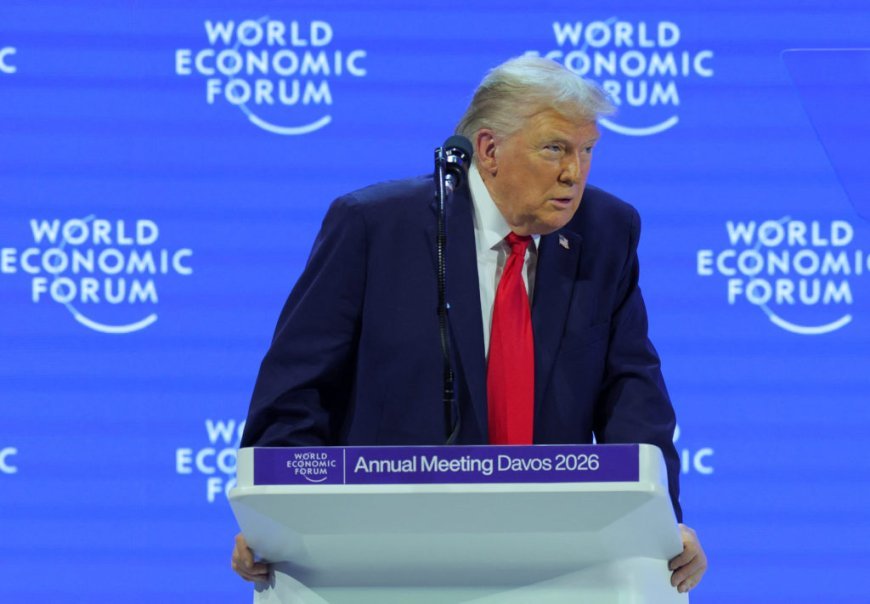
However, European officials argue that the diplomatic damage may outweigh any operational gains. Denmark maintained throughout negotiations that Greenland’s sovereignty was nonnegotiable, and officials suggest that expanded U.S. access could have been achieved without triggering a diplomatic confrontation that placed NATO unity under strain.
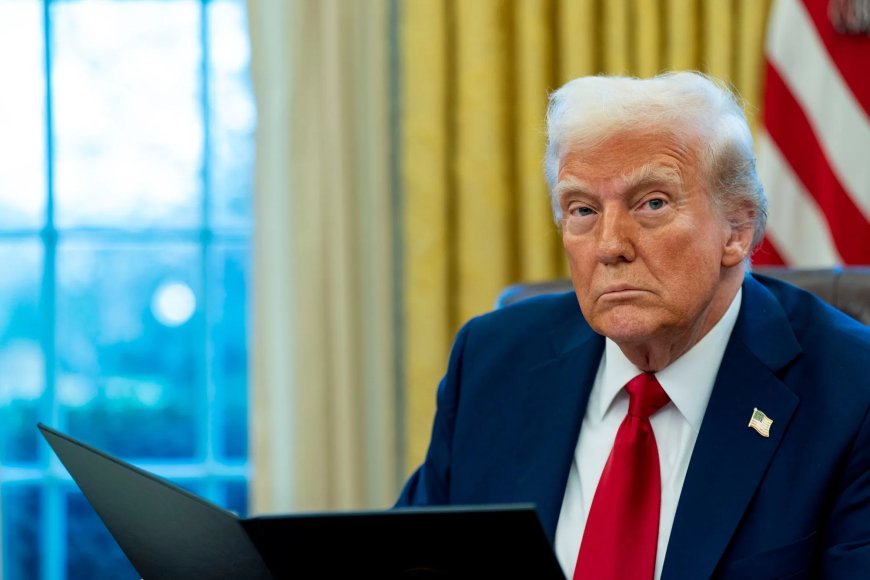
The episode has intensified debate across Europe about the durability of long-standing security partnerships. Analysts warn that the dispute reflects a broader shift in alliance dynamics, where strategic interests are increasingly pursued through unilateral pressure rather than coordinated policy.
For Washington, the Arctic remains a critical strategic frontier tied to missile defense, surveillance capabilities and competition with global rivals. For European partners, the dispute has reinforced concerns about predictability in U.S. foreign policy and the long-term reliability of transatlantic cooperation.
Although immediate tensions have eased, the broader impact on alliance cohesion continues to unfold. The Greenland episode highlights how strategic objectives can be achieved without territorial change while still leaving lasting diplomatic consequences that reshape geopolitical relationships.
Advertisement