House Votes to Rescind Trump’s Tariffs on Canada in Bipartisan Rebuke
The U.S. House voted to overturn tariffs imposed by President Donald Trump on Canadian goods, though the measure faces steep hurdles in the Senate and White House.
 Ronald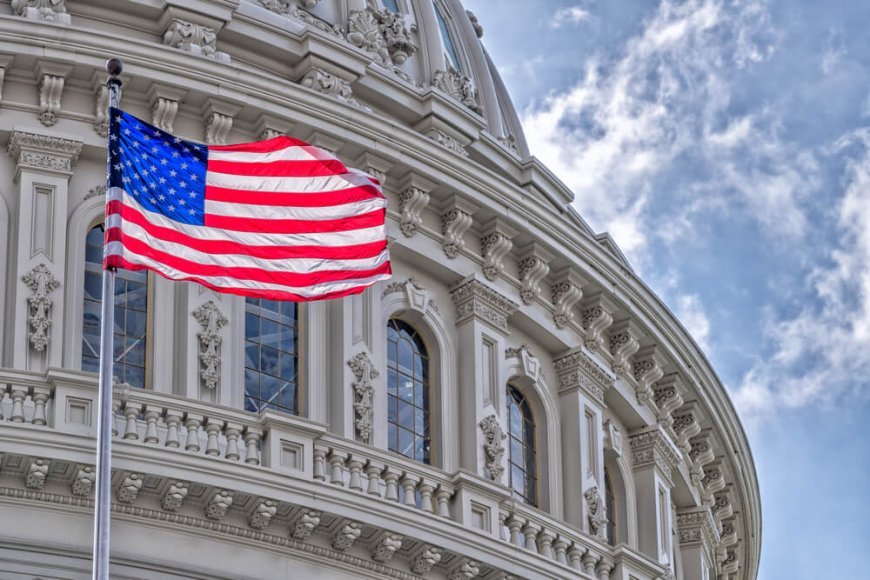
Advertisement
The U.S. House of Representatives voted to rescind tariffs imposed by President Donald Trump on Canadian imports, marking a rare bipartisan challenge to the administration’s trade agenda.
Advertisement
Advertisement
Advertisement
Advertisement
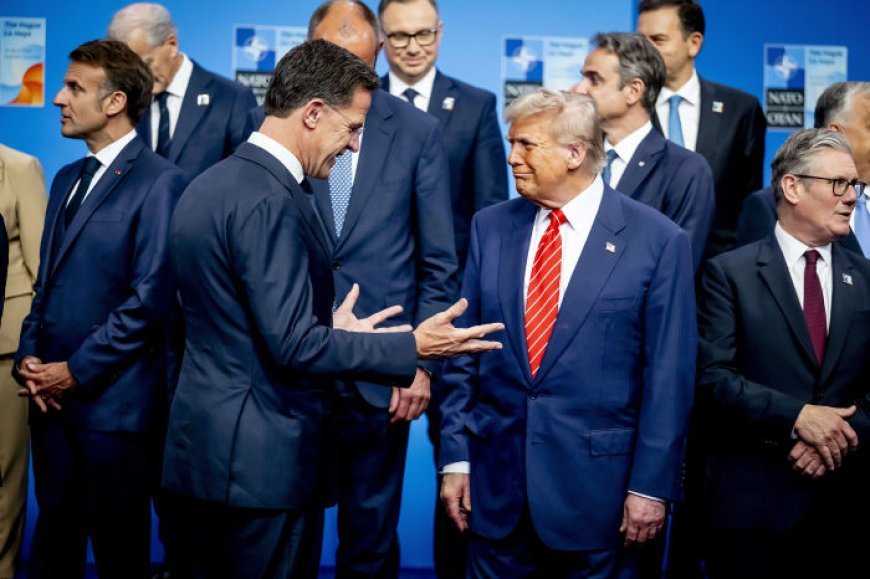
Lawmakers approved the resolution in a 219–211 vote, with six Republicans joining Democrats to support the measure. Despite its passage in the House, the resolution is unlikely to take effect, as it must still clear the Republican-controlled Senate and would require Trump’s signature.
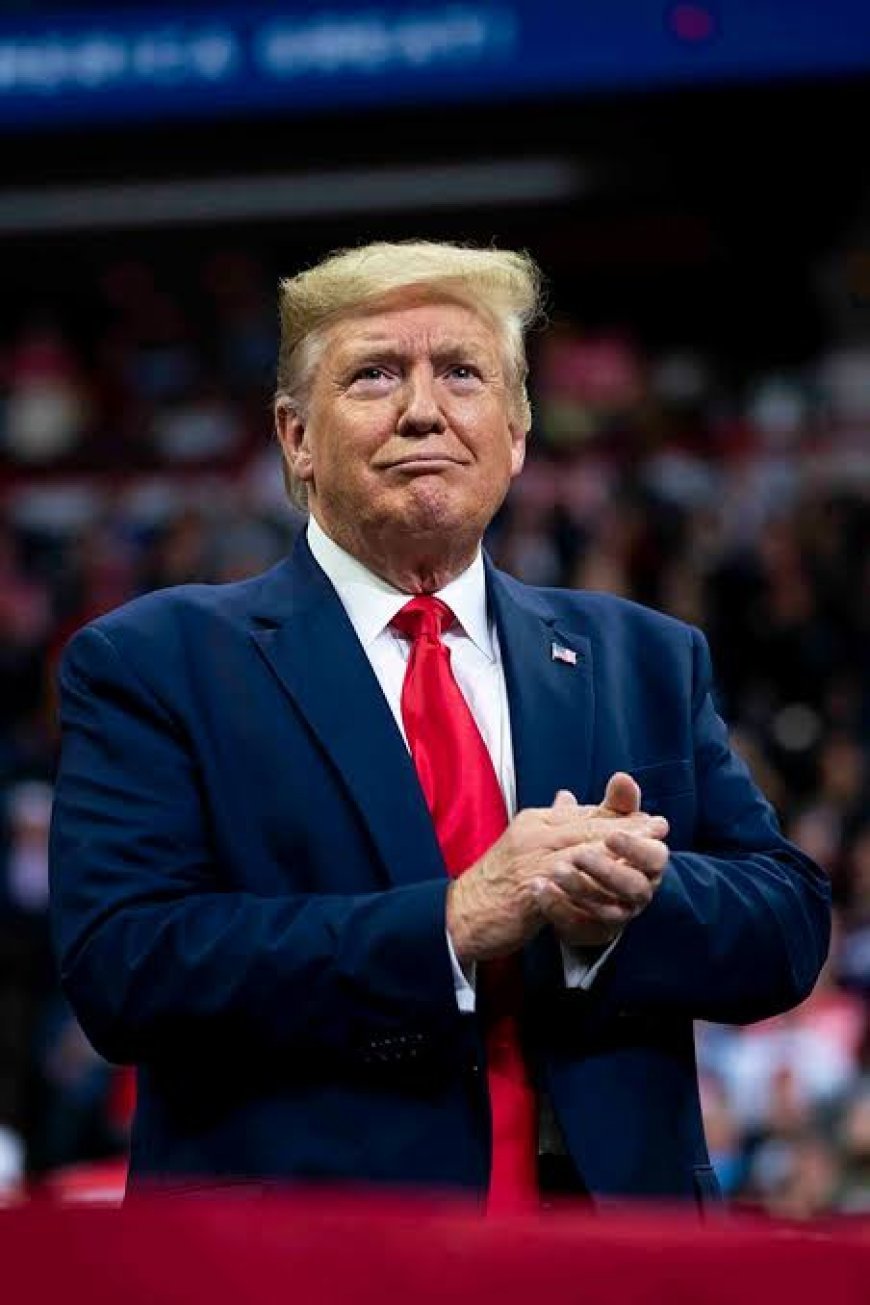
Trump imposed a series of tariffs on Canadian goods following his re-election, escalating tensions between Washington and Ottawa. He has also threatened significantly higher import taxes in response to Canada’s expanding trade engagement with China.
As the House prepared to vote, Trump warned Republican lawmakers against opposing his tariff policies, arguing that tariffs strengthen economic and national security.

House Speaker Mike Johnson attempted to block floor consideration of the resolution, but the effort failed, allowing lawmakers to proceed with the vote. With Republicans holding only a narrow majority, defections within the party proved decisive.
The measure was introduced by Rep. Gregory Meeks, the top Democrat on the House Foreign Affairs Committee, who argued that tariffs on allied nations have strained diplomatic relationships and raised costs for American consumers.
Several Republicans who supported the resolution cited economic concerns. Rep. Don Bacon of Nebraska described tariffs as a financial burden on U.S. households, manufacturers, and agricultural producers.
The legislation now moves to the Senate, where its prospects remain uncertain. Even if approved, Trump is widely expected to veto the measure.
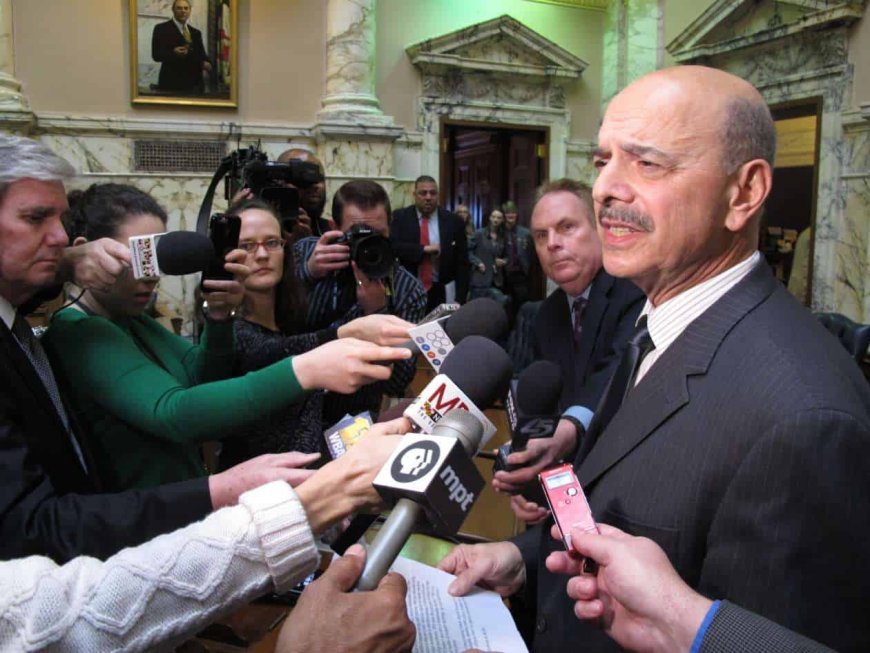
Separately, the administration’s tariff authority faces legal scrutiny. The U.S. Supreme Court is preparing to rule on a case challenging the president’s power to impose broad trade levies.
Meeks indicated that the House vote represents the first in a series of legislative efforts aimed at rolling back additional tariffs affecting multiple U.S. trading partners, signaling that congressional debate over trade policy is likely to intensify in the months ahead.
Advertisement