Trump Weighs Second Carrier Deployment as Iran Talks Hang in the Balance
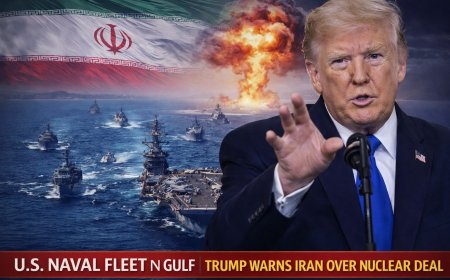
President Donald Trump says he may deploy a second aircraft carrier strike group to the Middle East if nuclear negotiations with Iran fail, escalating pressure amid renewed diplomacy.
 Ronald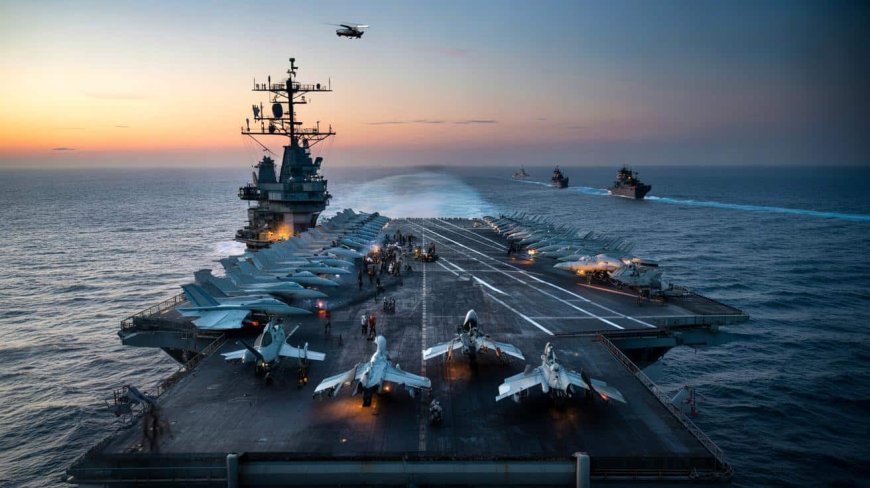
Advertisement
President Donald Trump is weighing the deployment of a second U.S. aircraft carrier strike group to the Middle East, signaling a potential escalation in military pressure as Washington and Tehran resume nuclear negotiations.
Advertisement
Advertisement
Advertisement
Advertisement
The consideration comes as the United States and Iran reentered talks last week in Oman — their first formal engagement since a brief but intense conflict earlier in the year. While diplomacy has resumed, the administration has simultaneously expanded its military presence in the region, framing force readiness as leverage in negotiations.
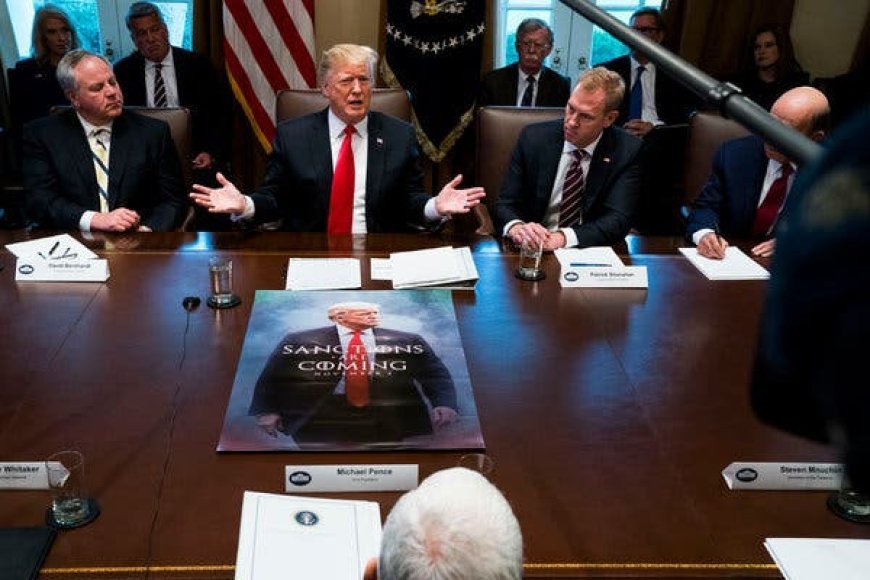
Trump indicated that a second carrier could join the USS Abraham Lincoln strike group already positioned in the region, describing the growing naval presence as part of a strategy to compel Tehran toward a comprehensive agreement. U.S. officials confirmed discussions about reinforcing the deployment, though no final decision has been announced.
Despite the military buildup, the president expressed confidence that Iran is now more willing to negotiate, arguing that previous diplomatic efforts faltered because Tehran doubted the credibility of U.S. threats. The current round of talks, he suggested, reflects a shift in Iran’s posture under intensified pressure.
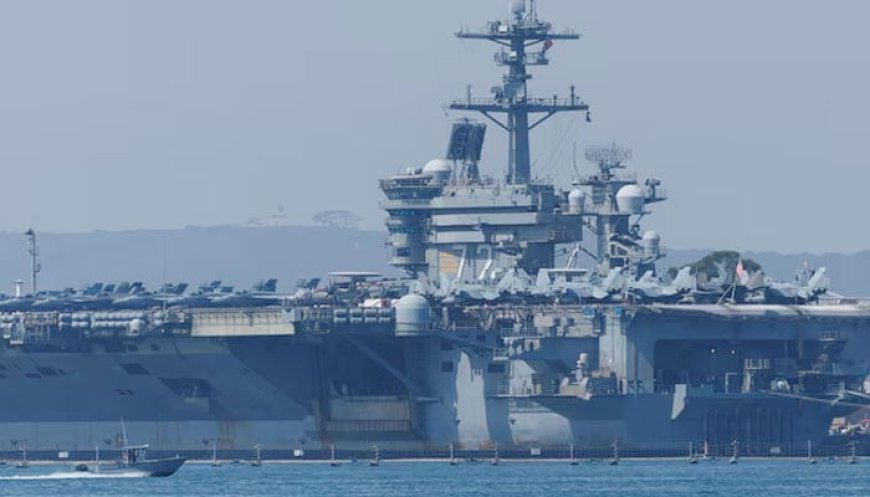
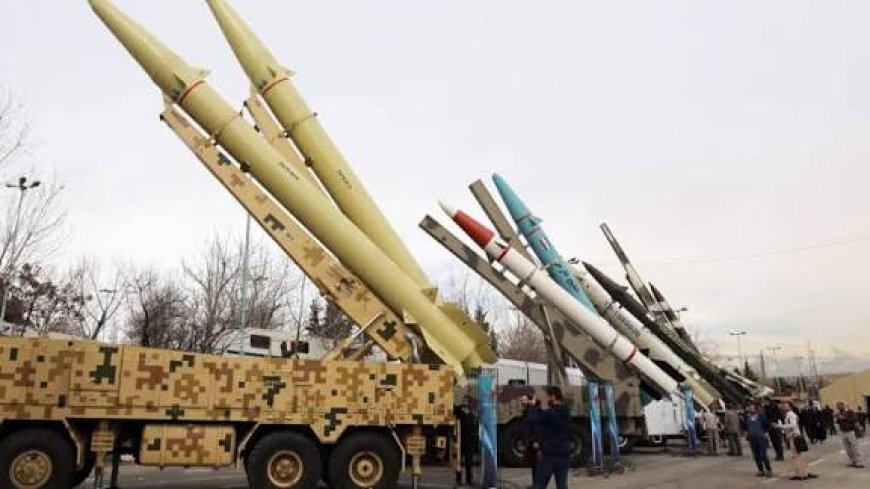
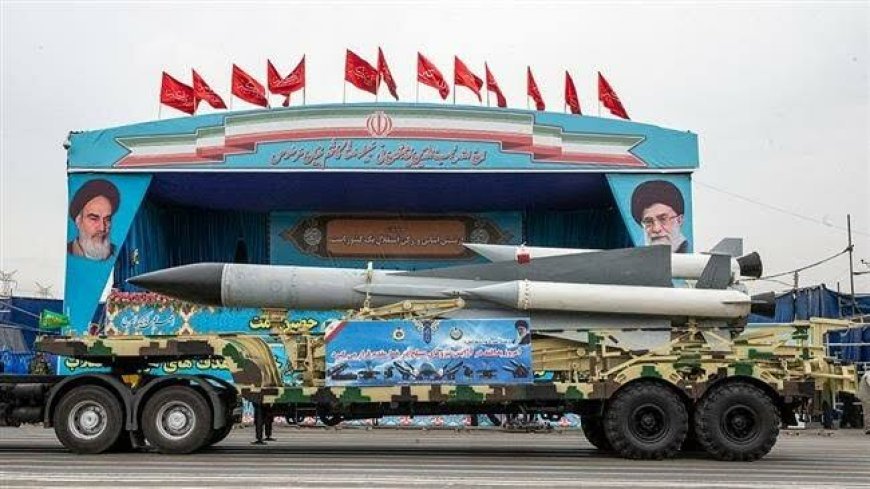
However, major disagreements remain unresolved. Iranian officials have publicly maintained that their ballistic missile program is not open for negotiation and have insisted on preserving their right to enrich uranium for civilian purposes. Those positions have fueled skepticism among policymakers in Washington and Israel about the prospects for a broad agreement.
Trump has signaled that any future deal should address both nuclear activity and missile capabilities, framing the negotiations as an opportunity for a more expansive security arrangement.
The diplomatic effort unfolds as Israeli Prime Minister Benjamin Netanyahu travels to Washington for high-level discussions. Netanyahu has expressed caution about the likelihood of a durable agreement and is expected to press for strict conditions on Iran’s military capabilities.
Regional mediation efforts continue in parallel. Senior Iranian officials have met with leaders in Oman and Qatar — key intermediaries between Washington and Tehran — in advance of the next anticipated round of talks.
The dual-track approach of diplomacy backed by military positioning reflects a broader strategy aimed at forcing a resolution while maintaining readiness for escalation if negotiations collapse.
Advertisement