Trump, Epstein, and the Call That Won’t Go Away
New FBI documents claim Donald Trump told a Florida police chief in 2006 that “everyone” knew about Epstein’s behaviour, raising fresh questions about what Trump knew and when.
 Ronald
Advertisement
The Epstein files continue to drip-feed uncomfortable revelations into the global political bloodstream, and the latest document places Donald Trump directly inside the early awareness circle surrounding Jeffrey Epstein’s crimes. According to a newly released FBI interview record, a former Florida police chief claims Trump called him in 2006 and openly acknowledged that “everyone” already knew about Epstein’s behaviour.
Advertisement
Advertisement
Advertisement
Advertisement
The document, part of the massive Justice Department disclosure, summarises a 2019 FBI interview with the Palm Beach police chief who oversaw the original local investigation into Epstein. Although the officer’s name is officially redacted, the description clearly matches Michael Reiter, who later confirmed to the Miami Herald that he was the individual referenced in the report.
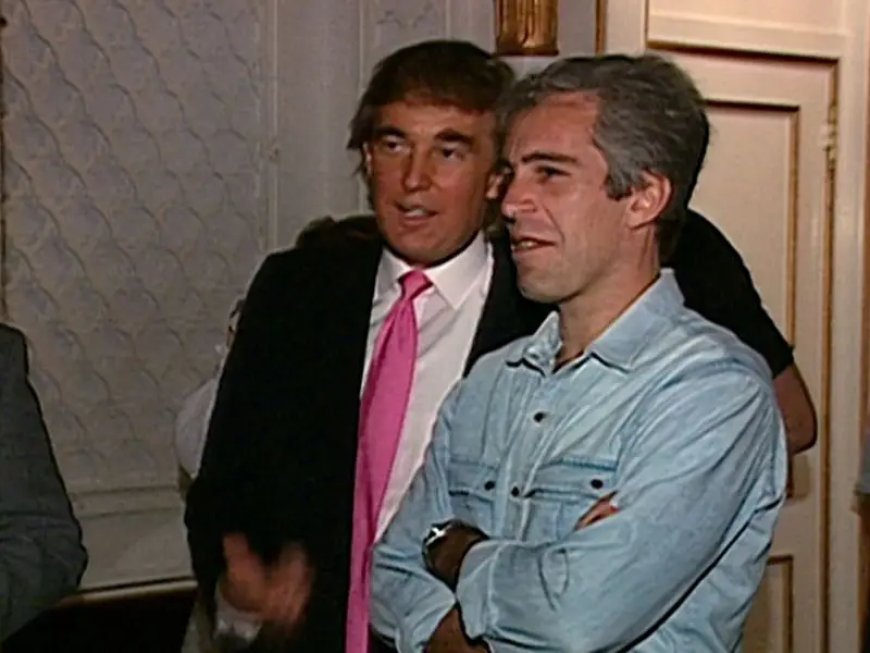
Reiter claims Trump phoned him shortly after Palm Beach police launched their investigation and told him, “Thank goodness you’re stopping him, everyone has known he’s been doing this.” If accurate, the call directly contradicts years of Trump’s public statements in which he has repeatedly insisted he had no knowledge of Epstein’s crimes and no serious suspicions about his behaviour.
The alleged conversation becomes more troubling in its detail. According to the FBI summary, Reiter said Trump told him he had thrown Epstein out of Mar-a-Lago, that people in New York “knew he was disgusting”, and that Ghislaine Maxwell was Epstein’s “operative”, advising police to focus their attention on her. Maxwell was later convicted in 2021 for helping recruit underage girls into Epstein’s trafficking operation.
Reiter also claimed Trump said he had personally witnessed Epstein around teenage girls and “got the hell out of there”, suggesting not just passive awareness but direct exposure to Epstein’s predatory environment. The document further states that Trump was among the very first people to contact Florida law enforcement when he heard an investigation had begun.
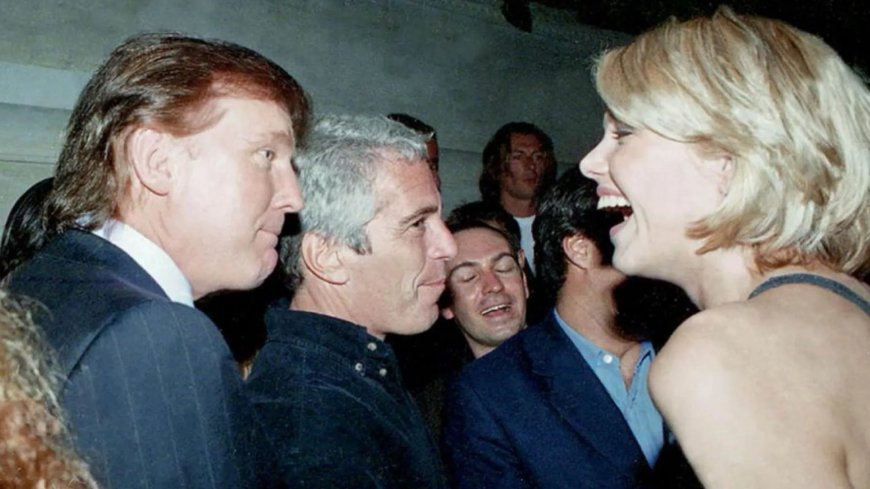
If the account is accurate, it paints a radically different picture from Trump’s long-standing narrative. In 2019, after Epstein’s federal arrest, Trump told reporters he had “no idea” about Epstein’s activities and had not spoken to him for many years. The White House has consistently maintained that Trump cut ties with Epstein around 2004 and was unaware of any criminal behaviour before that.
The Justice Department has attempted to distance itself from the implications of the document. In a statement to the BBC, an official said they were “not aware of any corroborating evidence” that Trump contacted law enforcement in 2006. The White House response was equally cautious, with press secretary Karoline Leavitt saying the call “may or may not have happened”, but adding that if it did, it merely supported Trump’s claim that he expelled Epstein from Mar-a-Lago for being a “creep”.
That defence, however, avoids the core contradiction. The issue is not whether Trump cut Epstein off, but whether he knew, years earlier, that Epstein was abusing underage girls while continuing to publicly deny such knowledge long after Epstein’s arrest and death.
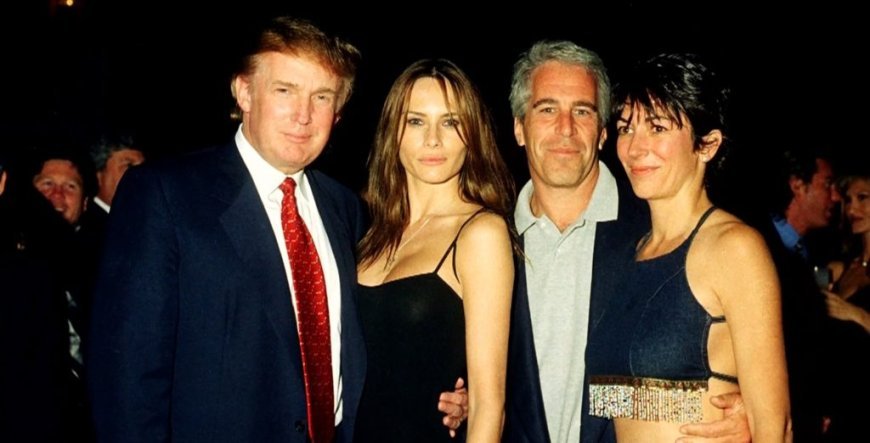
The context matters. In 2006, Palm Beach police were already building a serious case against Epstein involving multiple underage victims. Yet the case was later quietly transferred to federal prosecutors, who in 2008 negotiated a controversial plea deal that shielded Epstein and unnamed accomplices from federal prosecution, one of the most widely criticised failures in modern US legal history.
The resurfacing of Trump’s alleged call coincides with renewed political pressure following Ghislaine Maxwell’s recent appearance before the US House Oversight Committee. During the closed-door deposition, Maxwell refused to answer questions and invoked her Fifth Amendment right to remain silent, while her legal team suggested she would cooperate fully if offered clemency by Trump, a proposal the president has publicly dismissed.
The political significance of the FBI document lies less in its legal impact and more in its narrative disruption. Trump has positioned himself as an outsider untouched by Epstein’s crimes, a leader who severed ties early and had no involvement in the financier’s world. The FBI summary suggests something far more uncomfortable: that Trump may have known what Epstein was doing while continuing to publicly deny such awareness for years.
In the broader Epstein saga, this fits a recurring pattern. Powerful figures did not necessarily participate in crimes, but many appear to have known enough to look away, stay silent, or quietly distance themselves without ever raising the alarm. The system failed not because nobody knew, but because too many people knew and did nothing that left a record.
The Epstein files are slowly reframing the scandal from a story about one criminal to a story about collective institutional silence. If Trump truly told police in 2006 that “everyone” knew, then the real scandal is not what Epstein did, but how openly it was understood, and how thoroughly it was ignored.
Advertisement