Trump Administration Faces Legal, Security and Funding Developments on February 10
A federal grand jury declined to indict Democratic lawmakers, new Epstein-related documents were released, DHS faces scrutiny over enforcement actions, and lawmakers negotiate funding for Homeland Security.
 Ronald
Advertisement
Several major legal, political and security developments involving the Trump administration unfolded on February 10, reflecting ongoing tensions across multiple areas of federal governance.
Advertisement
Advertisement
Advertisement
Advertisement
A federal grand jury declined to indict Democratic lawmakers who had posted a video encouraging service members and intelligence officials to refuse unlawful orders from the administration, according to individuals familiar with the matter. The decision effectively ends a high-profile legal question surrounding the lawmakers’ statements.
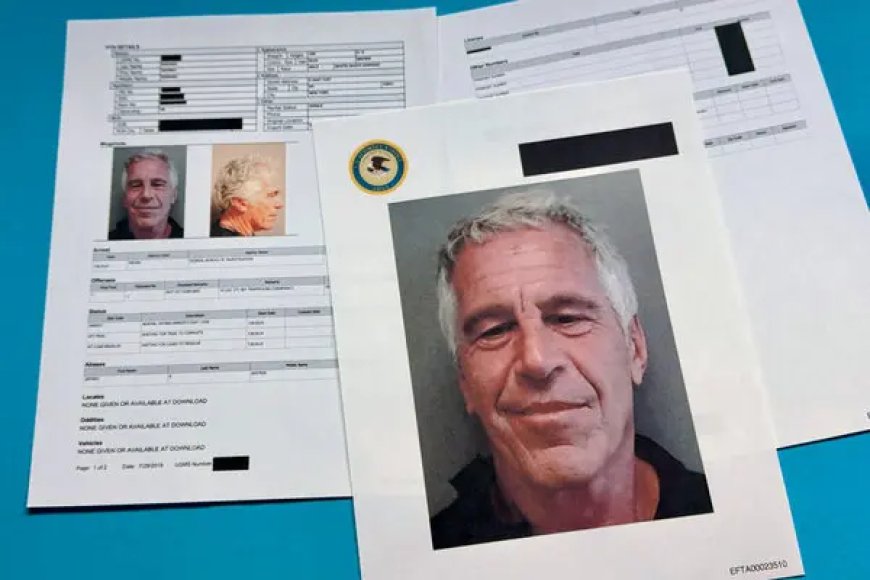
The Justice Department also released additional unredacted names in files connected to Jeffrey Epstein following pressure from lawmakers who had reviewed earlier confidential records. Separately, the White House stated that President Donald Trump continues to support Commerce Secretary Howard Lutnick after testimony surfaced describing a 2012 visit to Epstein’s Caribbean island.
At a congressional hearing, the head of U.S. Customs and Border Protection confirmed multiple ongoing investigations into officers’ conduct during the administration’s recent immigration enforcement expansion. Lawmakers questioned agency leadership about oversight and accountability measures tied to enforcement operations.
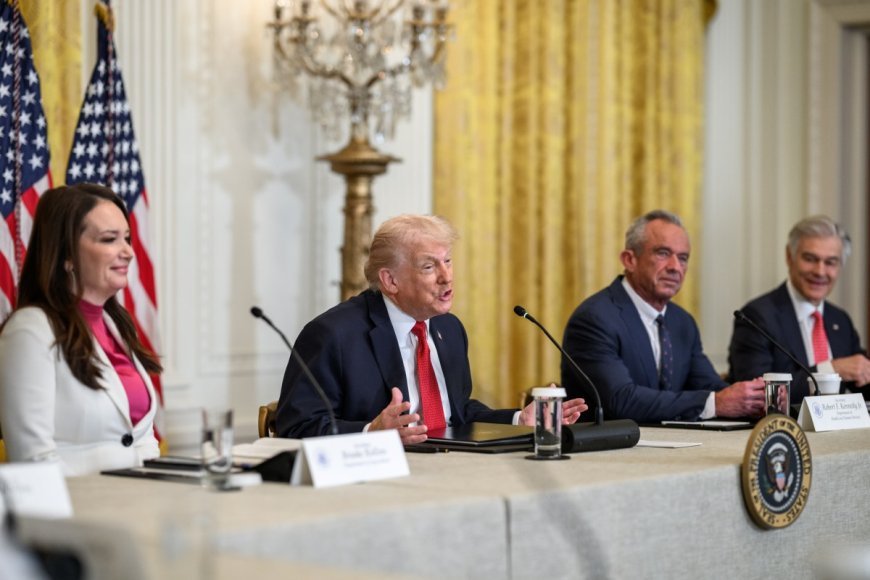
Meanwhile, negotiations over federal funding for the Department of Homeland Security continued ahead of a looming deadline. Senate Majority Leader John Thune said discussions are progressing on proposed policy changes related to Immigration and Customs Enforcement. Senate Democratic leadership indicated continued pressure on Republican negotiators while leaving open the possibility of a short-term funding measure.
The developments highlight a complex political landscape marked by legal scrutiny, administrative oversight and legislative bargaining as policymakers confront pressing governance deadlines.
Advertisement