5 Essential Business Liability Insurance Types Every Tech Startup Needs in 2026
Protect your startup from devastating legal costs. Discover the 5 essential business liability insurance types for 2026, including Cyber Liability and E&O. Learn how to get the best quotes and ensure your venture is "un-sueable" while scaling to global markets.
 Ronald
Advertisement
In the hyper-litigious business environment of 2026, a single oversight can end a promising startup before it even reaches its Series A. As The Vox Daily focuses on scaling to a $50,000 monthly revenue, protecting those profits is just as important as generating them. Business Liability Insurance is no longer just a "legal requirement"—it is a strategic asset that builds trust with enterprise clients and investors alike.
Advertisement
Advertisement
Advertisement
Advertisement
The High Stakes of Startup Risk in 2026
The cost of legal defense in the tech sector has risen by 25% over the last two years. Whether it is a data breach, a copyright dispute, or a simple "slip and fall" at a co-working space, the financial burden of a lawsuit can exceed $100,000 in the first month alone. This is why advertisers in the insurance niche pay some of the highest premiums to appear on high-quality business journals.
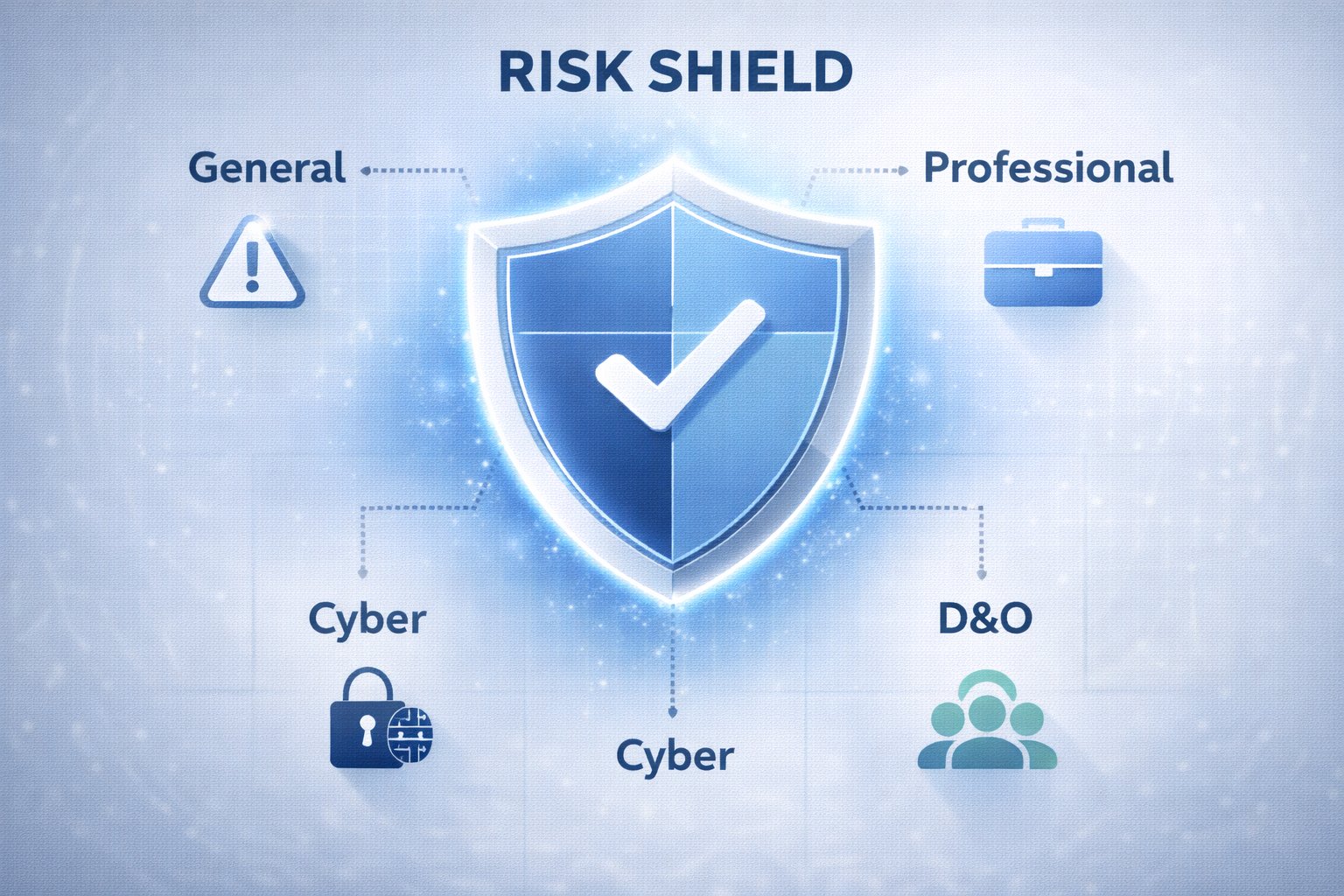
Infographic illustrating the 5 pillars of comprehensive business liability insurance for modern corporations.
1. General Liability Insurance (The Foundation)
General Liability is the "umbrella" that covers bodily injury, property damage, and personal injury (like libel or slander). Even if you operate a 100% remote business in Delaware or France, you still need this for physical meetings, trade shows, or if a third-party claims your marketing materials caused them harm.
2. Cyber Liability Insurance (The 2026 Necessity)
As AI and cloud-native databases become the backbone of business, the risk of a "Ransomware" attack is at an all-time high. Cyber Liability covers the cost of data recovery, legal fees, and the mandatory "Notification of Breach" to your customers. For any SaaS or digital agency, this is the most critical policy to have in place this year.
3. Errors and Omissions (E&O) / Professional Indemnity
If your agency provides advice (like the AI Automation Agency we discussed in Article #1), and that advice leads to a client losing money, they can sue you for professional negligence. E&O insurance covers your legal defense and any settlements. In the B2B world, many large corporations will refuse to sign a contract with you unless you can prove you have at least $1 million in E&O coverage.
4. Directors and Officers (D&O) Insurance
If you are planning to take on investors or have a Board of Directors, D&O insurance is mandatory. it protects the personal assets of the company's leaders if they are sued for "wrongful acts" in managing the business. Without D&O, a founder's personal savings and home could be at risk during a corporate lawsuit.

A Certificate of Insurance (COI) document, essential for securing high-value enterprise contracts in 2026.
How to Get the Best Quotes in 2026
Technology has made buying insurance faster. Instead of waiting weeks for a broker, platforms like Next Insurance, Embroker, and Hiscox allow you to get a "Certificate of Insurance" (COI) in minutes. To rank first for this topic, you should compare these digital-first providers, as their "Search Intent" is massive right now.
Conclusion: Don't Scale Without a Safety Net
Scaling to millions of impressions is exciting, but it also puts a target on your back. By securing your business liability insurance early, you ensure that your hard-earned revenue stays in your bank account rather than being diverted to legal fees. It is the cheapest "sleep insurance" a founder can buy.
Next in The Vox Daily Business Series: We look at the best tax-haven bank accounts for 2026 entrepreneurs.
Advertisement