Border Patrol Leadership Under Scrutiny After New Evidence Emerges in Chicago Shooting of U.S. Citizen
Newly released records intensify scrutiny of federal immigration enforcement after a U.S. citizen was shot in Chicago during a crackdown operation.
 Ronald
Advertisement
Newly disclosed communications and investigative materials have intensified scrutiny of federal immigration enforcement practices following the shooting of a United States citizen during a Chicago-area operation last year. The release of emails, text messages, and video evidence has placed renewed focus on the conduct of federal agents and senior leadership, raising questions that extend beyond a single use-of-force incident to encompass broader issues of institutional accountability, operational culture, and the political framing of immigration enforcement under President Donald Trump’s administration.
Advertisement
Advertisement
Advertisement
Advertisement
At the center of the controversy is the October shooting of Marimar Martinez, a Montessori school assistant who was struck five times by a border patrol agent while seated in her vehicle. Federal authorities initially alleged that Martinez had attempted to ram law enforcement officers, resulting in felony charges that were later dismissed when video footage appeared to contradict the government’s account. The subsequent release of internal communications has added a new dimension to the case, revealing messages from Gregory Bovino, a senior border patrol official who played a prominent role in national deportation operations, praising the agent involved shortly after the incident.
The correspondence, now public following a federal judge’s decision to lift a protective order, provides a rare glimpse into internal reactions to a high-profile enforcement action. In an email sent hours after the shooting, Bovino encouraged the agent to delay retirement, commending what he described as exemplary service. Additional text exchanges indicate that senior officials were perceived by colleagues as supportive of the agent’s actions, reflecting an institutional response that critics argue prioritized solidarity over scrutiny.
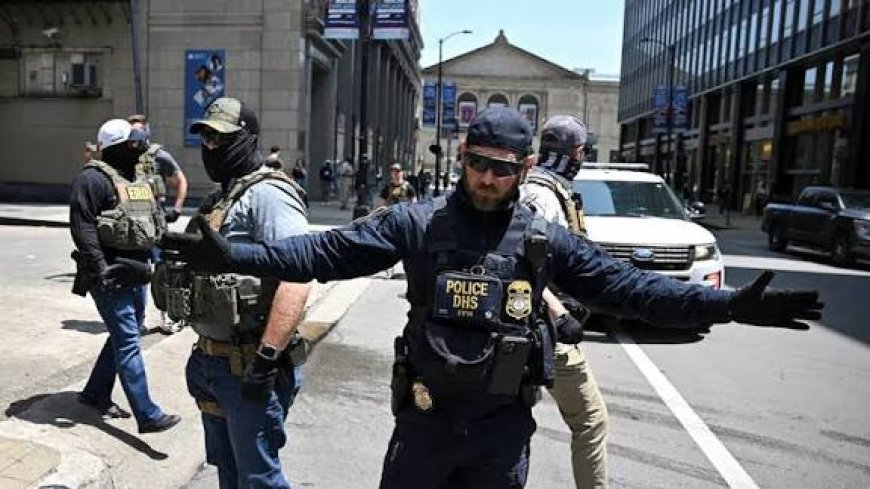
The release of these materials occurs within a broader context of contested narratives surrounding federal enforcement operations. Martinez’s legal team has sought to publicize evidence they contend demonstrates inconsistencies in official accounts of the incident, including claims that federal authorities mischaracterized her actions and background. Government descriptions that portrayed Martinez as a security threat were not substantiated in court proceedings, and the dismissal of criminal charges has amplified debate over the reliability of initial enforcement narratives disseminated to the public.
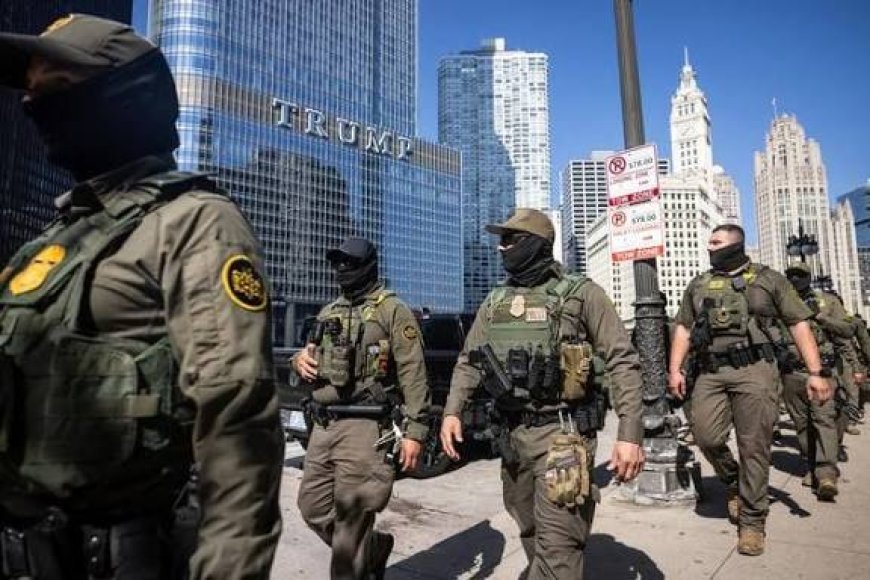
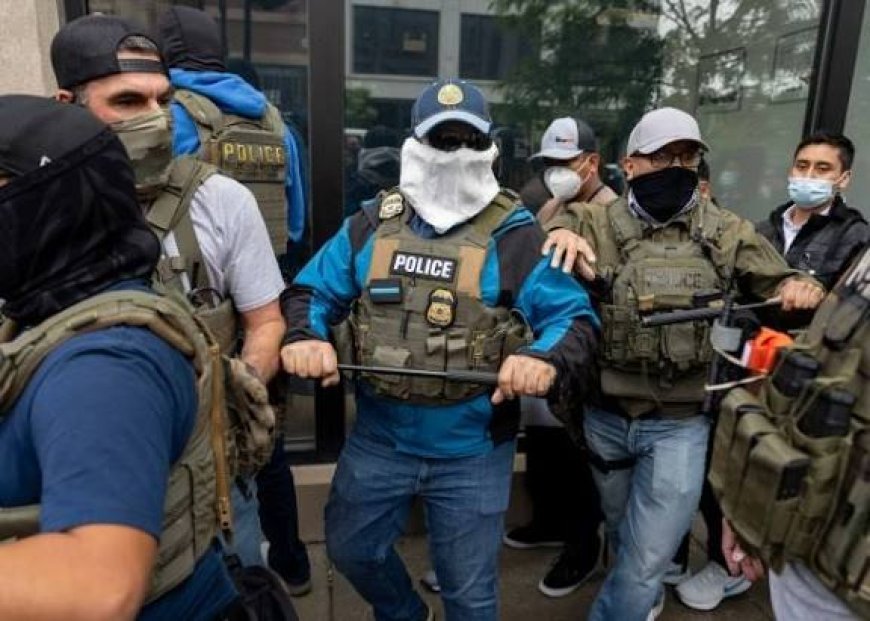
The incident unfolded during an intensified immigration enforcement campaign in the Chicago area, a period marked by heightened operational visibility and assertive public messaging from federal authorities. Body-camera footage from the day of the shooting captures agents preparing to engage while armed, underscoring the volatile environment in which such operations were conducted. For critics, the imagery and subsequent internal communications suggest an enforcement posture shaped not solely by legal mandates but by an institutional culture that valorizes aggressive action.

Gregory Bovino’s role in national enforcement operations has drawn particular attention due to his prominence in public-facing immigration initiatives and prior controversies surrounding official statements about enforcement encounters. His leadership style, characterized by highly visible operations and frequent media engagement, became emblematic of a broader strategy that fused enforcement activity with political messaging. The newly released evidence adds to an emerging pattern in which operational narratives have been contested by subsequent documentation and judicial findings.
The legal ramifications of the Chicago shooting remain ongoing, with Martinez pursuing action under federal statutes that permit individuals to seek damages from government agencies. Her attorneys argue that the case exemplifies systemic deficiencies in oversight mechanisms governing federal use of force. The litigation is likely to test not only the factual record of the incident but also the legal thresholds for accountability when federal agents engage civilians during domestic enforcement operations.

The controversy has also intersected with parallel incidents involving federal agents in other jurisdictions, reinforcing concerns among civil rights advocates about consistency in investigative standards. The invocation of national security language in describing civilians has become a focal point of criticism, with observers warning that expansive threat characterizations risk eroding public trust in federal institutions. The release of internal communications that appear to celebrate a contested use-of-force incident has intensified these concerns, suggesting that internal accountability processes may operate differently from public-facing statements.
Beyond the immediate legal and factual disputes, the case illuminates the broader political environment in which federal immigration enforcement has operated. Immigration policy has served as a central axis of political identity formation in recent years, shaping electoral narratives and administrative priorities alike. Enforcement actions, particularly those involving dramatic encounters or contested use of force, have increasingly functioned as symbolic expressions of policy resolve. The intersection of operational conduct and political messaging complicates efforts to evaluate incidents solely through a procedural lens, as public interpretation is shaped by competing narratives about security, sovereignty, and civil liberties.
Institutionally, the episode raises questions about the balance between operational autonomy and democratic oversight within federal law enforcement agencies. The Department of Homeland Security occupies a uniquely sensitive position at the intersection of national security and domestic governance, tasked with executing policies that carry profound implications for individual rights. When internal communications appear to affirm controversial actions without visible scrutiny, the resulting perception can challenge the legitimacy of the agency’s broader mission.
The public testimony offered by Martinez before members of Congress further underscores the human dimension of the controversy. Her account of being characterized as a threat while recovering from multiple gunshot wounds has resonated within ongoing debates about the scope and tone of federal enforcement authority. Such testimony does not merely recount a personal ordeal; it situates individual experience within a national conversation about the limits of state power and the mechanisms through which that power is justified.
The release of evidence in the Chicago shooting case arrives at a moment when questions of government transparency and institutional credibility occupy a central place in American political discourse. Judicial intervention to make internal records public reflects the role of the courts as arbiters of information access in disputes involving executive authority. The decision underscores a broader principle that accountability in democratic governance often hinges on the availability of documentary evidence capable of challenging or corroborating official narratives.
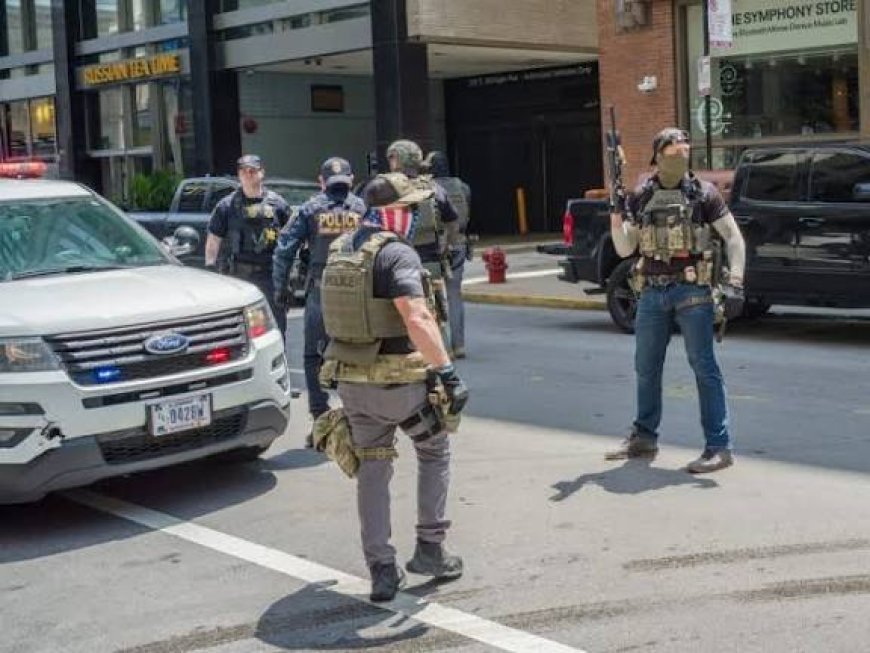
As legal proceedings continue and policymakers debate the future contours of immigration enforcement, the Chicago shooting stands as a case study in the complexities of contemporary federal authority. It reveals how operational decisions, institutional culture, and political messaging converge to shape public perceptions of law enforcement legitimacy. More broadly, it highlights the enduring tension between security imperatives and civil rights protections that defines much of modern governance in an era of heightened political polarization.
The long-term significance of the case will likely extend beyond individual accountability, influencing debates over oversight mechanisms, transparency standards, and the appropriate boundaries of federal enforcement power. In this sense, the controversy is not solely about a single incident in Chicago but about the evolving relationship between state authority and the citizens it purports to protect.
Advertisement