NO PALACE AUDIENCE: WHY HARRY & MEGHAN’S HIGH-PROFILE JORDAN VISIT DIDN’T INCLUDE KING ABDULLAH
Despite the high-profile optics of their Jordan visit, Prince Harry and Meghan Markle did not meet King Abdullah — because this was a humanitarian trip, not an official royal tour.
 Filna
Filna 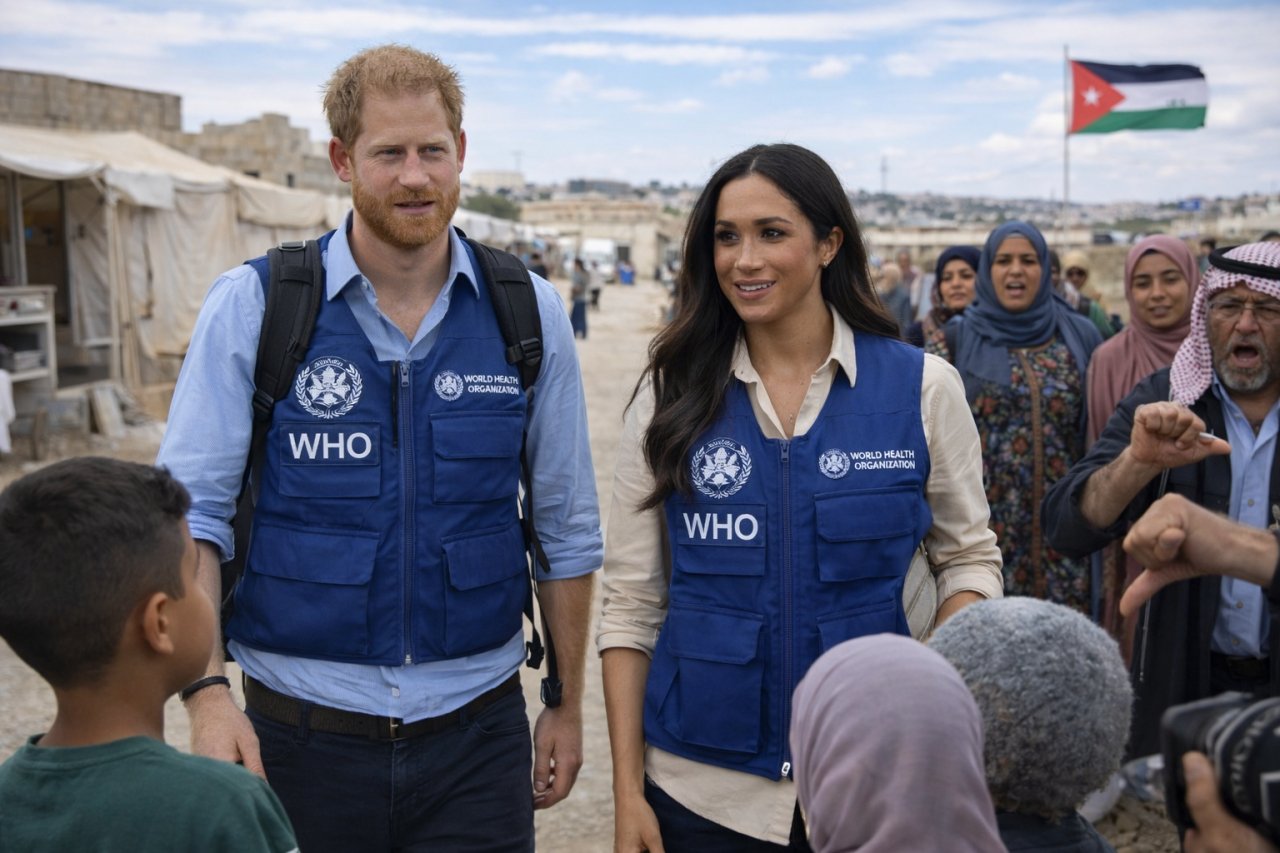
Advertisement
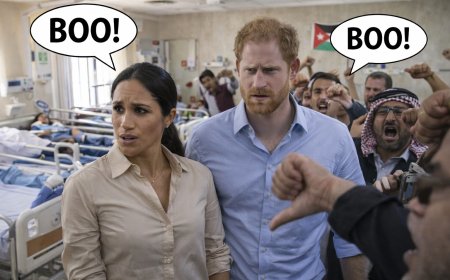
Prince Harry and Meghan Markle flew to Jordan.
Advertisement
Advertisement
Advertisement
Advertisement
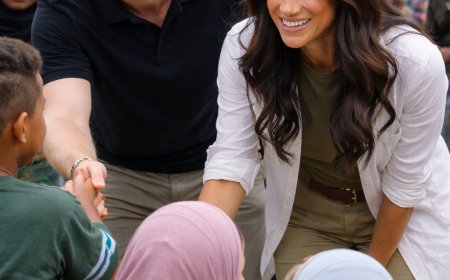
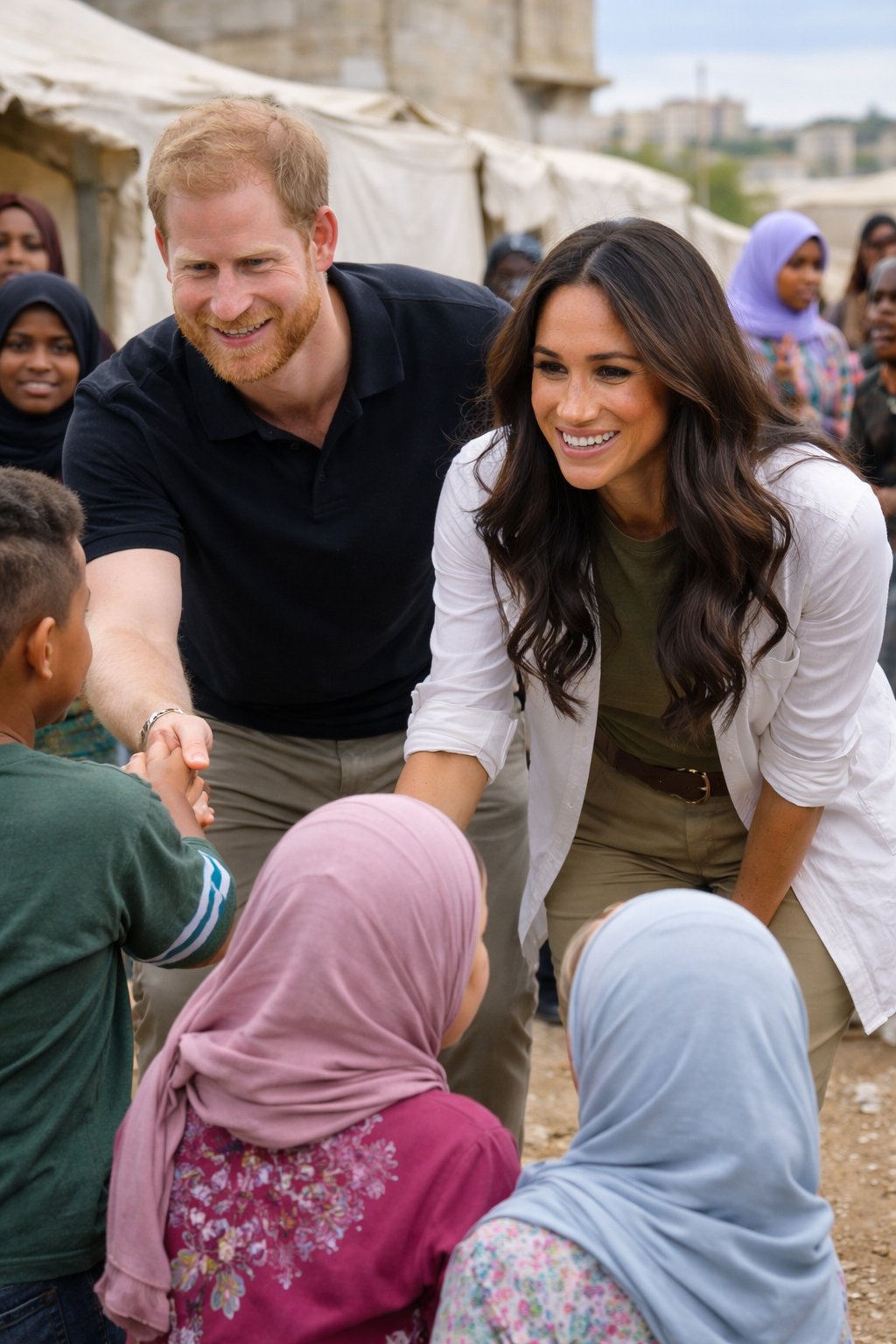
They met refugees.
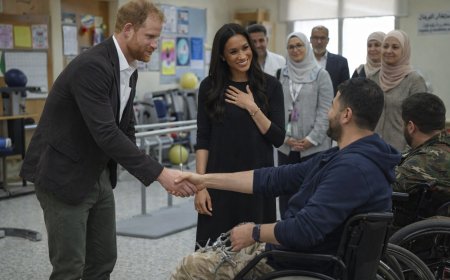
They visited hospitals.
They partnered with the World Health Organization.
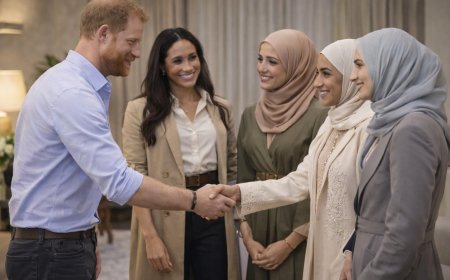
They looked every bit like a modern royal delegation.
But one thing didn’t happen:
They did not meet King Abdullah.
And that detail is louder than it looks.
The Missing Palace Moment
In most royal visits — especially in the Middle East — a meeting with the monarch is practically scripted into the itinerary.
Handshake.
Photo.
Polite smiles.
Diplomatic symmetry.
But this wasn’t that kind of trip.
Harry and Meghan were in Jordan on a humanitarian visit, not representing the British royal family or the U.K. government.
No state backing.
No ceremonial fanfare.
No official royal status.
Which means no palace audience.
WHO Yes. Royal Court No.
The couple joined Dr. Tedros Adhanom Ghebreyesus, Director-General of the WHO, for engagements focused on:
Humanitarian health response
Mental health
Support for displaced communities
But when Dr. Tedros met with King Abdullah and Crown Prince Hussein as part of the WHO delegation’s official programming?
Harry and Meghan were not in the room.
That wasn’t an oversight.
It was structure.
The “Almost Royal” Optics
Let’s be honest.
The visit had the aesthetics of a royal tour:
• International headlines
• Refugee camps
• Hospital visits
• Coordinated scheduling
• Strategic messaging
But it lacked one key ingredient:
State authority.
This was not a palace-led mission.
It was a foundation-backed humanitarian engagement.
Which means the Sussexes operated parallel to, not inside, official diplomacy.
Why That Matters
Harry is still the King’s son.
Meghan is still the Duchess of Sussex.
But stepping back from royal duties in 2020 came with structural consequences.
They can meet WHO officials.
They can visit humanitarian sites.
They can generate global coverage.
But they do not represent the Crown.
And diplomacy is about representation.
The Soft Power Tightrope
Had they met King Abdullah, critics would scream “Shadow Royal Tour!”
By not meeting him, critics say, “See? Just tourists!”
It’s a delicate balance:
Too official? Overstepping.
Too independent? Diminished.
So the middle lane was chosen.
Humanitarian presence without diplomatic protocol.
The Real Takeaway
This Jordan visit wasn’t about royal symbolism.
It was about nonprofit partnerships.
It was structured to avoid confusion between humanitarian engagement and state diplomacy.
And the absence of a palace meeting was not a snub.
It was a boundary.
Bottom Line
Harry and Meghan’s trip looked royal.
Felt royal.
Headlined like a royal tour.
But it wasn’t one.
No palace reception.
No throne room backdrop.
Just the careful choreography of two former working royals navigating influence without official power.
And in 2026, that distinction matters.
Advertisement