Cuba Awaits Oil As Trump Declares Emergency And Mexico Calculates How Much Sovereignty Costs
Mexico thought it could sell oil, hug Havana, and high-five Washington. Now Trump’s Cuba pressure has Claudia Sheinbaum asking: “What the hell do we do with this issue?”
 Filna
Filna 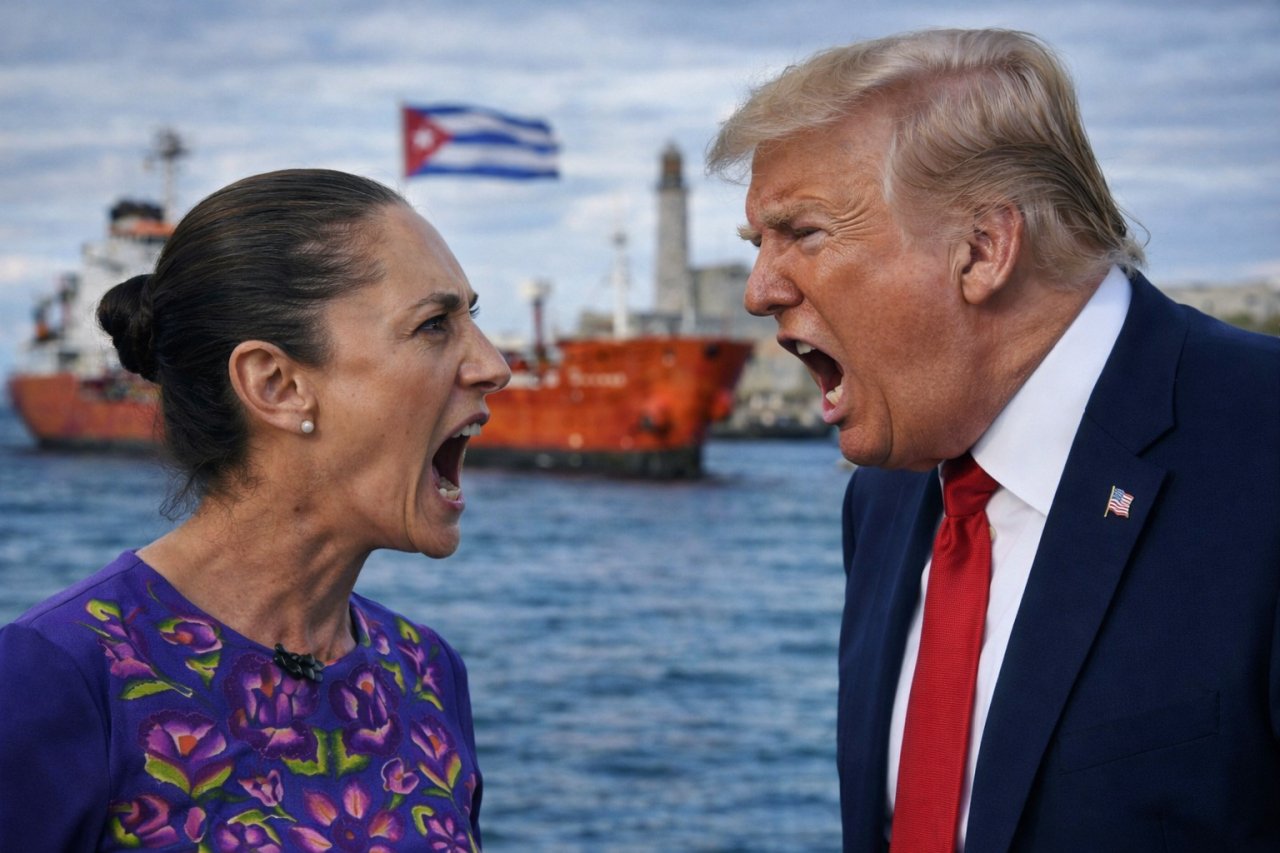
Advertisement
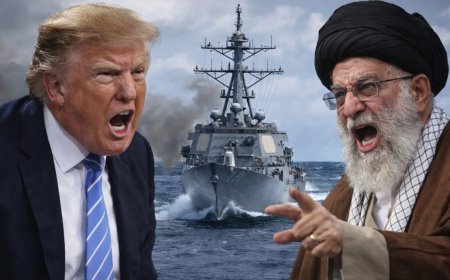
Cuba is currently reviewing its oil inventory while President Donald Trump reviews his executive authority, having declared a national emergency tied to the Cuban government and authorized new tariffs targeting any country that supplies oil to the island.
Advertisement
Advertisement
Advertisement
Advertisement
Mexico, as it happens, supplies oil to the island.
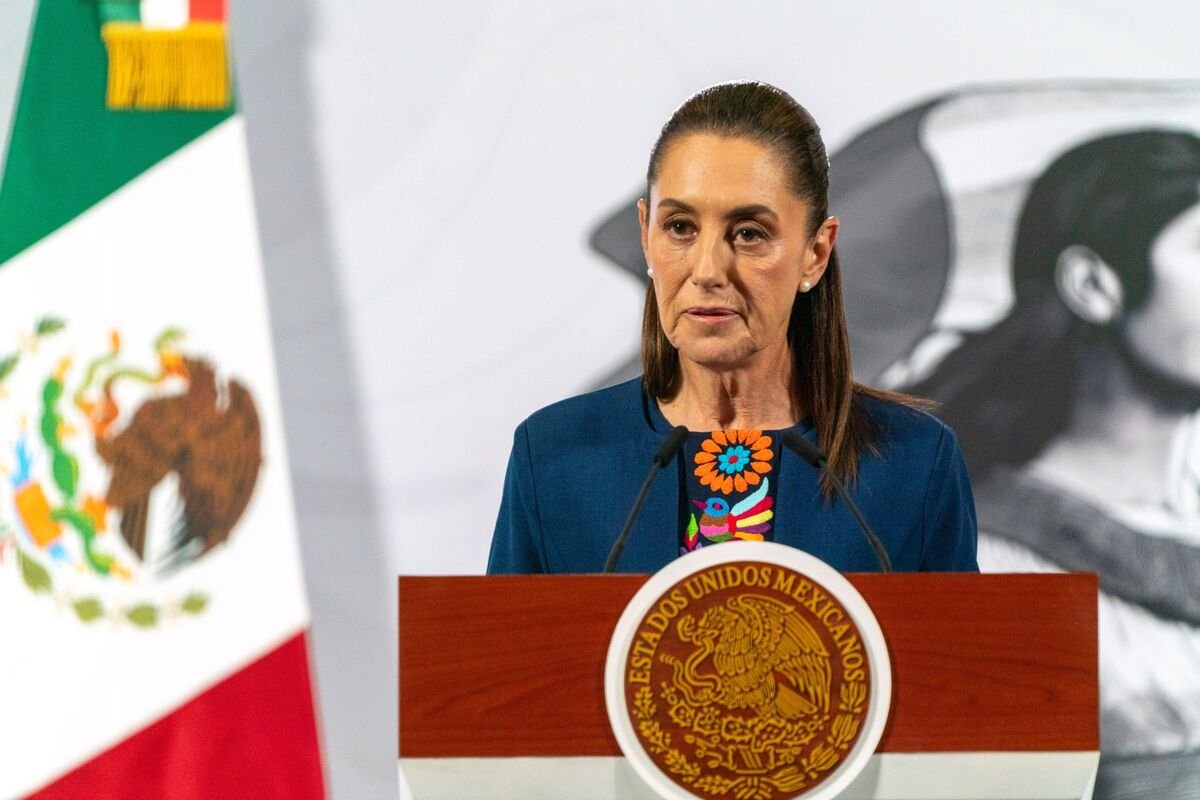
Which means President Claudia Sheinbaum now finds herself performing what diplomats politely call “balance” and what insiders might call advanced-level geopolitical yoga.
Mexico is the United States’ largest trading partner. It is also Cuba’s primary oil supplier, particularly after U.S. military action earlier this month in Venezuela disrupted crude flows from Caracas. This makes Mexico both economically essential to Washington and strategically inconvenient at the moment.
Reports that Pemex paused an oil shipment to Cuba have intensified speculation. Sheinbaum has described oil exports as a “sovereign” decision and said any future actions would be taken on a “humanitarian” basis — a phrase that functions simultaneously as moral positioning and tariff insurance.
On Thursday, Trump escalated matters by declaring a national emergency over what he characterized as threats posed by the Cuban government. The order grants the administration broad authority to impose tariffs on countries deemed to be supplying Havana. In practical terms, this means Mexico must now decide how much solidarity costs when your largest customer controls the receipt book.
Former Mexican ambassador Arturo Sarukhán described the situation bluntly, noting that the spillover effects could be severe if tensions escalate further. While neither government appears eager to convert this into a formal confrontation, the pressure has reportedly sparked internal debate in Mexico over how far Sheinbaum can push without inviting economic retaliation.
Sheinbaum’s public posture has remained measured. Unlike Canada’s Mark Carney, who publicly urged global resistance to Trump and received a swift response from Washington, Sheinbaum has opted for careful language and limited theatrics. Thus far, it has helped her avoid headline-grabbing ruptures.
Still, domestic pressures complicate the calculus. Morena, Sheinbaum’s left-leaning party, has longstanding ideological ties to Cuba. Any move perceived as abandoning Havana risks backlash at home. At the same time, she faces scrutiny over continuing oil exports abroad while fuel concerns persist domestically. “Humanitarian” therefore doubles as both diplomatic shield and political necessity.
The White House maintains that Trump’s actions are aimed at holding the Cuban government accountable for regional instability and its relationship with Venezuela’s Nicolás Maduro. Cuba’s foreign minister has responded by accusing the United States of blackmail and coercion.
And so the equation stands:
Supply oil and risk tariffs.
Restrict oil and risk political backlash.
Speak too loudly and risk escalation.
Speak too softly and risk irrelevance.
Cuba waits.
Washington threatens.
Mexico calculates.
Sovereignty, it turns out, comes with a sliding scale.
Advertisement