The 2026 Prince Harry Visa Crisis: Why the New Administration is Reviewing his Residency Status
On March 6, 2026, a federal judge ordered the release of Prince Harry's visa records. We explore the "A-1 vs. O-1" debate, the impact of the new administration’s scrutiny, and what "Usually Resident" status means for his future in California.
 Ronald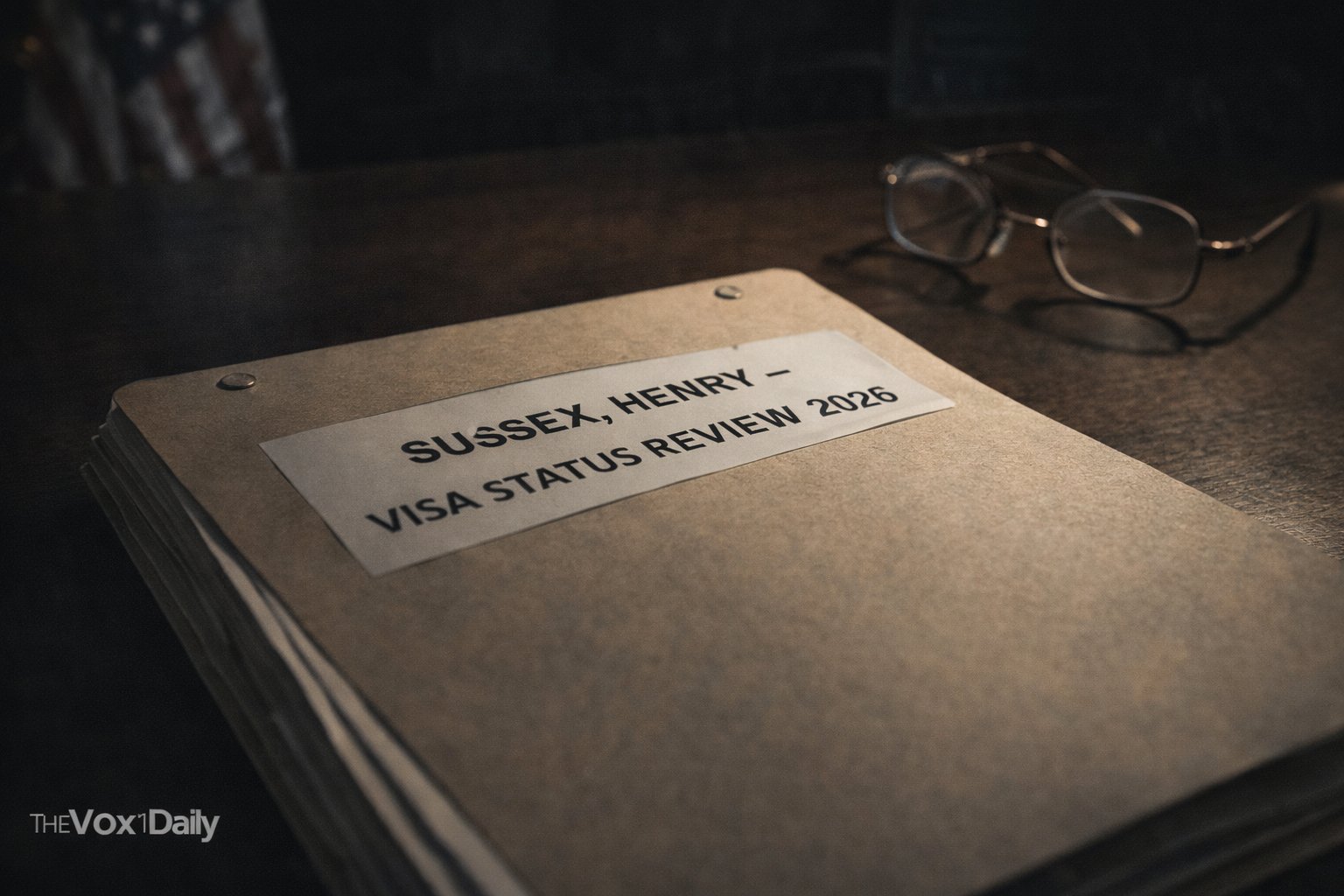
Advertisement
Quick Answer
Advertisement
Advertisement
Advertisement
Advertisement
On March 6, 2026, Judge Carl Nichols ordered the DHS to release redacted versions of Prince Harry’s visa records. The "crisis" centers on whether Harry entered on an A-1 (Diplomatic) or O-1 (Extraordinary Ability) visa. If the new administration finds he disclosed drug use on an O-1, he’s safe; if he didn't disclose it, or if he's on an A-1 without performing diplomatic duties, his residency status faces a formal "Notice of Intent to Rescind."
The quiet life in Montecito has just been interrupted by a legal thunderclap. Today, Friday, March 6, 2026, the long-standing legal battle over the Duke of Sussex’s immigration records reached a tipping point. While the world remembers 2024 as the year the questions started, 2026 is the year the answers are finally being forced into the light. This isn't just a tabloid story; it is a complex intersection of Wealth Management, international diplomacy, and federal immigration law.
The A-1 vs. O-1 Debate: The Technicality That Matters
The most "Information Gain" detail in this case is the specific visa category Harry utilized to move to the U.S. in 2020. Most experts believe he is on an O-1 visa, reserved for those with "extraordinary ability." However, new theories emerging in 2026 suggest he may have entered on an A-1 Head of State visa.
Why does this matter? An A-1 visa is typically for "working royals" on official business. If Harry has been living as a private citizen in California for six years on a diplomatic visa, the new administration argues his status is "fraudulent by inactivity." Conversely, if he is on an O-1, his admissions of past drug use in his memoir Spare should have—theoretically—triggered a medical waiver process that the Heritage Foundation claims never happened.
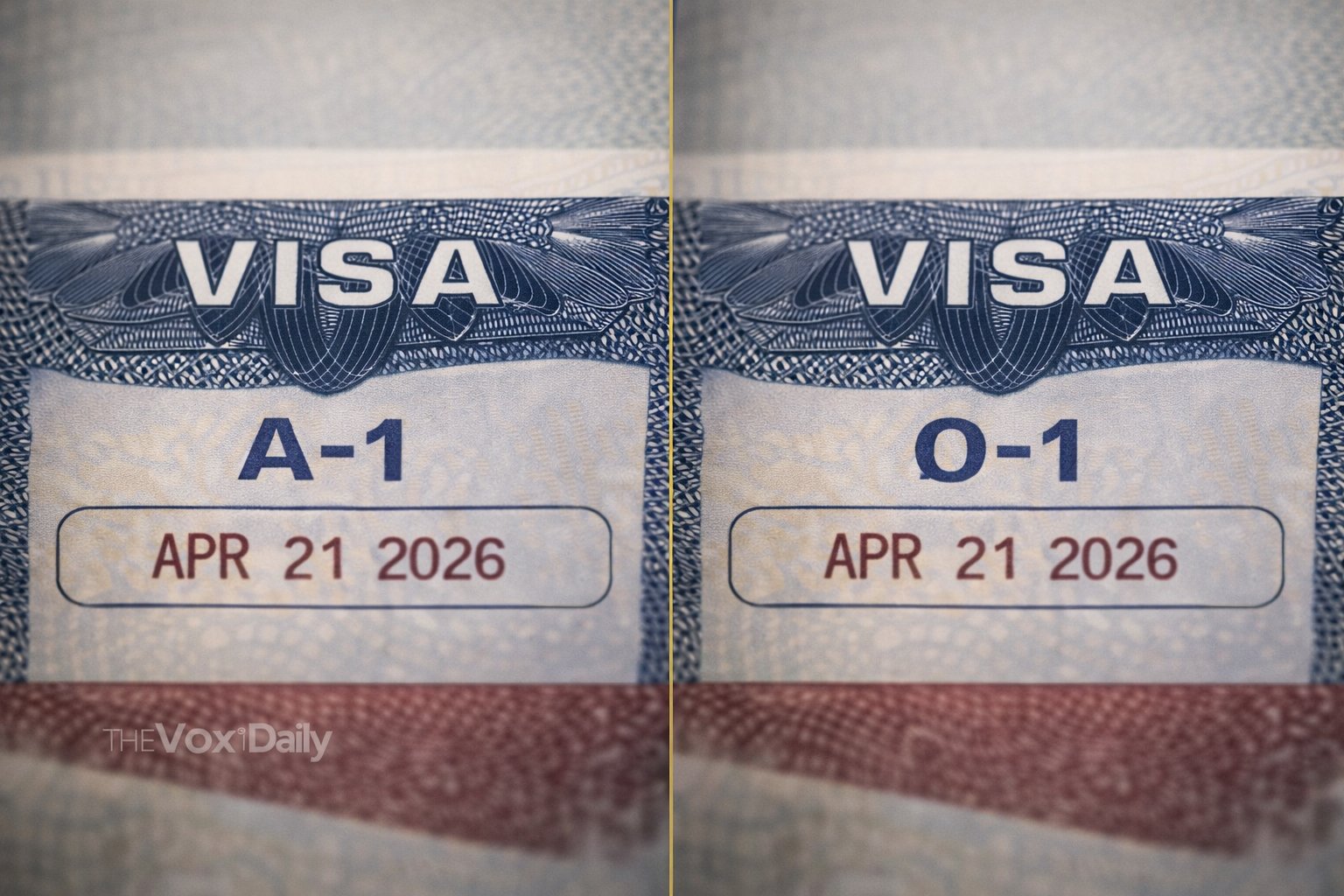
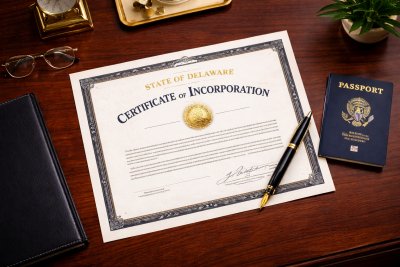
conceptual image of the two different visa types (A-1 and O-1) currently at the center of the Prince Harry 2026 legal crisis.
The March 6 Court Order: Maximum Disclosure
Today’s ruling by Judge Carl Nichols is a massive blow to the DHS. The judge stated he wants "maximum disclosure" of the sealed records to determine if the government gave Harry "preferential treatment". This moves the needle from "privacy" to "public interest."
As we saw with the business split between the Sussexes and Netflix, the 2026 theme for Harry and Meghan is "Accountability." The new administration is using Enterprise AI Solutions to cross-reference public admissions (like those in Spare) with federal filings to find discrepancies. For Harry, the "Crisis" is that his own words are now his greatest legal liability.
Residency Status and the "Usually Resident" Filing
In late 2025, Harry formally changed his primary residence to the U.S. in filings with the UK’s Companies House. This was a "point of no return." By declaring he is "Usually Resident" in the United States, he effectively signaled that he has no intention of returning to the UK.
However, this formal declaration has made him a stationary target for the 2026 immigration review. The administration’s new policy on "High-Profile Residency Audits" means that Harry's file is no longer at the bottom of the pile. It is being scrutinized for "Administrative Compliance"—a dry term that could result in the revocation of his green card application if any "misrepresentations of material fact" are discovered.
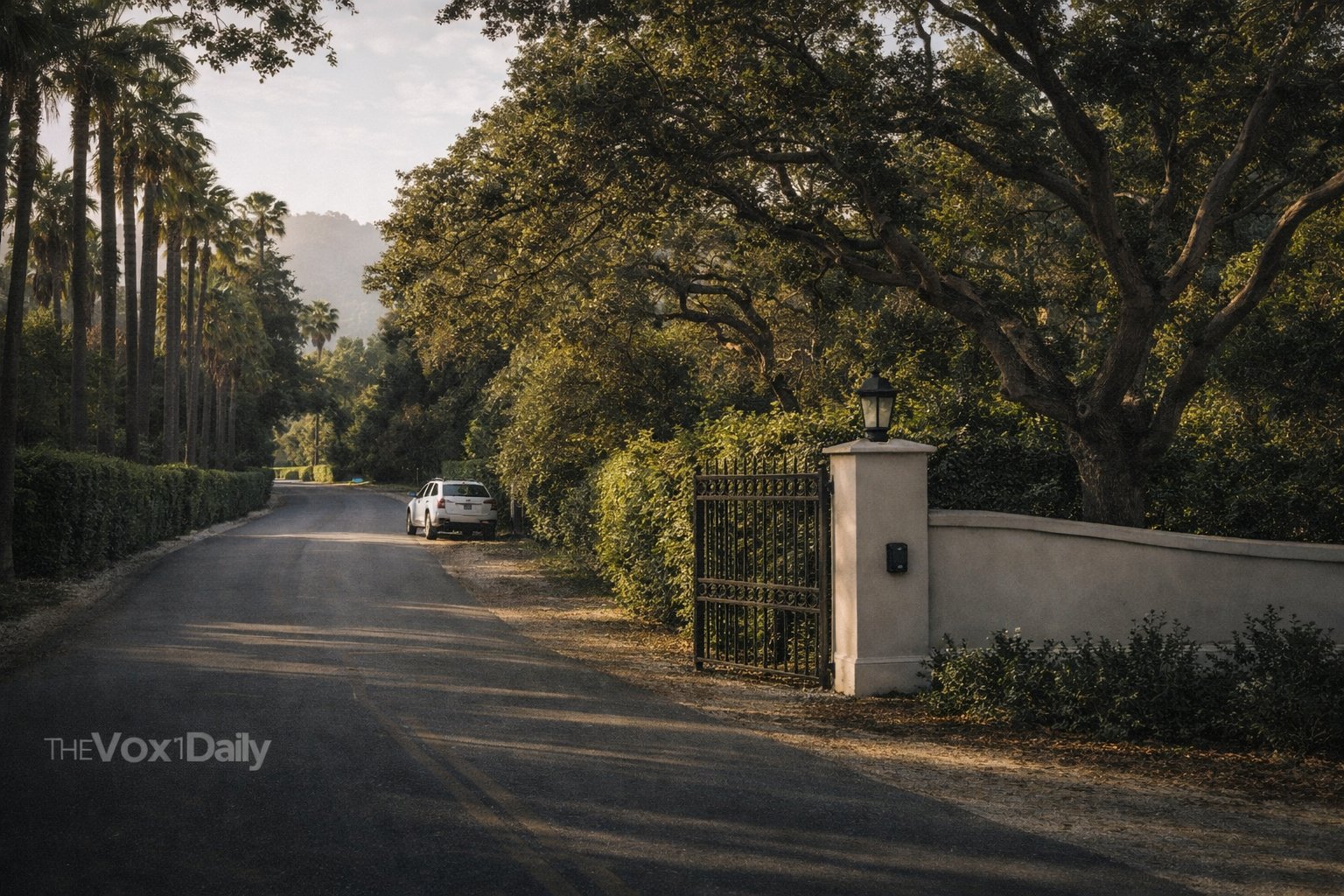
satirical image of federal presence in Montecito during the 2026 residency review of Prince Harry.
Conclusion: The Sovereignty of the Visa
Prince Harry’s visa crisis is a reminder that in 2026, even a Prince is subject to the Financial Automation of the law. As the DHS prepares to release the records ordered today, the Sussexes are facing a summer of legal scrutiny that could redefine their ability to live and work in the United States.
Whether he stays or is forced to find a new "residency," the 2026 ruling has proven one thing: in the eyes of the U.S. government, the "W" in Windsor doesn't grant you a free pass at the border.
To see how this affects their brand, check out our report on Meghan's Independent Retail Move.
Advertisement