Trump’s “Board of Peace”: Who’s In, Who’s Out, and What It Means
Donald Trump’s proposed “Board of Peace” aims to reshape global conflict resolution, but limited Western participation and broad ambitions raise questions about its future.
 Ronald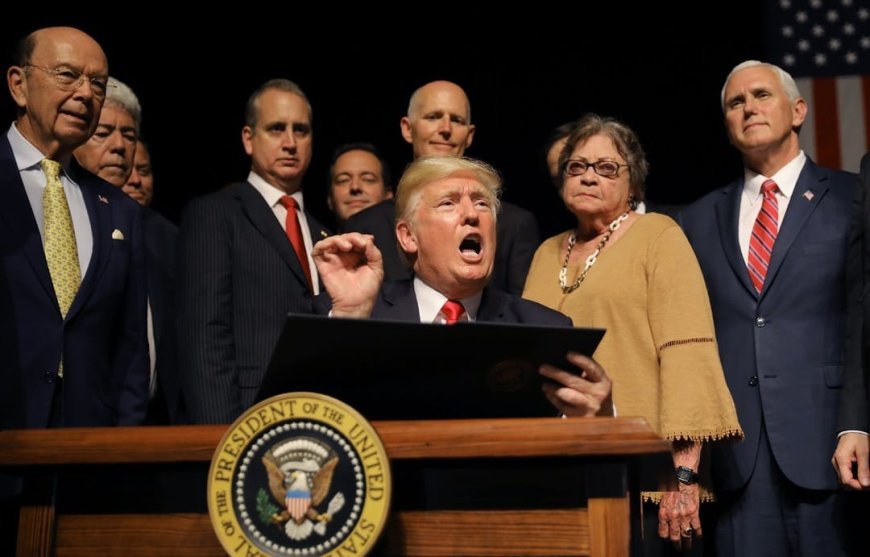
Advertisement
President Donald Trump’s proposed “Board of Peace,” an international body intended to address global conflicts, is facing uneven international support as the administration seeks to position it as a new platform for global diplomacy.
Advertisement
Advertisement
Advertisement
Advertisement
The initiative has drawn backing from a mix of Middle Eastern governments, regional powers and several smaller states, but it has struggled to attract broad participation from Western allies. The proposal’s scope, leadership structure and potential overlap with existing international institutions have raised concerns among several U.S. partners.
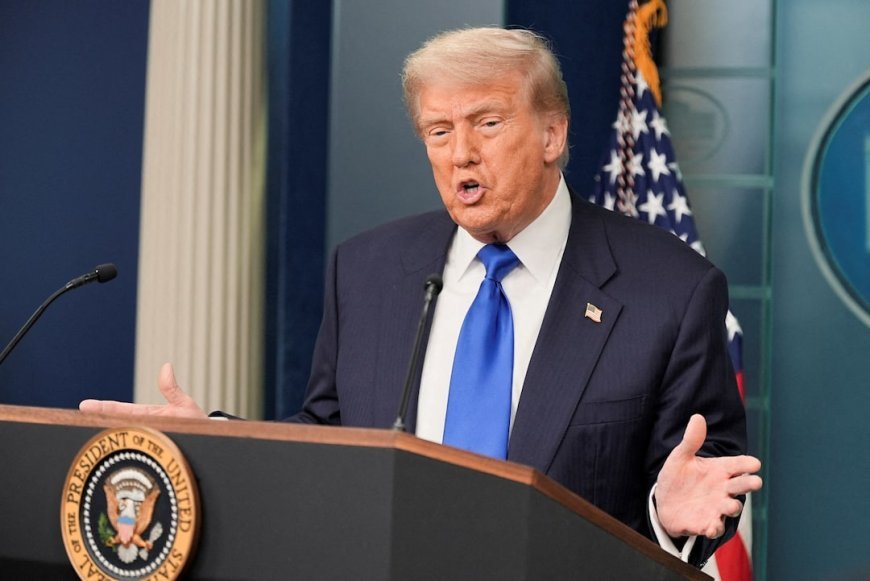
The Board of Peace was initially introduced as part of a broader ceasefire framework tied to Gaza’s postwar reconstruction. That early concept envisioned a limited governance structure focused on demilitarization and rebuilding efforts following years of conflict in the territory.
However, draft charter language circulated to prospective members outlines a far wider mandate. The organization is described as an international body designed to promote stability and governance in regions affected by conflict worldwide. The document indicates the board would be chaired indefinitely by Trump, extending leadership continuity beyond current political timelines.
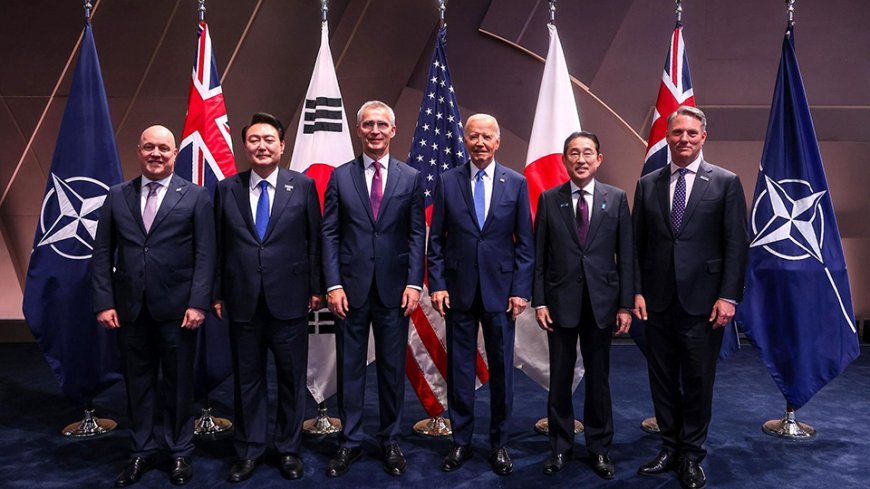
The structure includes a founding executive group composed of senior U.S. officials and international political figures tasked with guiding policy direction and implementation. The initiative’s broader vision emphasizes reconstruction, conflict mediation and long-term regional development.
Trump has invited a wide array of countries to join, including U.S. allies, geopolitical rivals and leaders from across multiple regions. Invitations were extended to governments in Europe, the Middle East, Asia and Latin America, reflecting an effort to assemble a global coalition under a single framework.
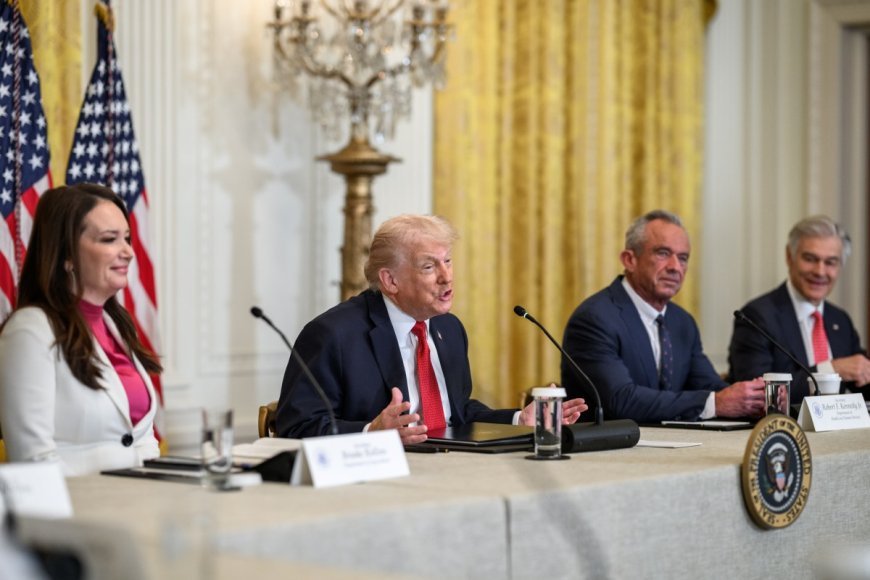
Supporters include several Gulf states, regional partners in Asia and governments across parts of Eastern Europe and Latin America. Israel has also expressed support for the initiative, though participation has been shaped by broader regional dynamics and diplomatic tensions.
A signing ceremony held alongside the World Economic Forum in Davos drew fewer participants than anticipated. Representation was concentrated among countries from the Middle East, Asia and South America, while Western European participation remained limited.
The absence of many traditional U.S. allies has highlighted concerns about governance authority, institutional legitimacy and the relationship between the Board of Peace and existing global organizations. Trump has suggested the body could eventually play a role comparable to major international institutions, a prospect that has intensified debate among policymakers and analysts.
While the administration continues to promote the initiative as a new mechanism for addressing global conflict, the board’s long-term influence will likely depend on whether it can expand participation and establish a clear operational role within the broader international system.
Advertisement