Olympic Unity Tested as Trump’s Immigration Agenda Overshadows Winter Games
Debate over U.S. immigration policy spills into the Winter Olympics, placing American athletes at the center of a global political spotlight.
 Ronald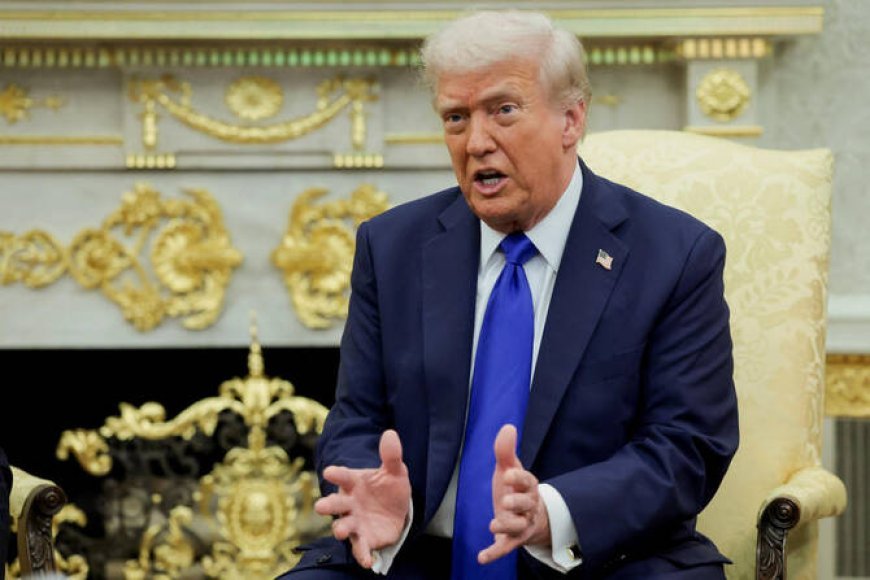
Advertisement
The opening days of the Winter Olympics in Italy were intended to showcase unity through sport, yet the competition has quickly become a stage for broader political tensions surrounding U.S. domestic policy and global perception. As American athletes arrived in Milan and Cortina to represent their country, many found themselves navigating a complex intersection of national identity, personal values, and international scrutiny tied to President Donald Trump’s immigration agenda.
Advertisement
Advertisement
Advertisement
Advertisement
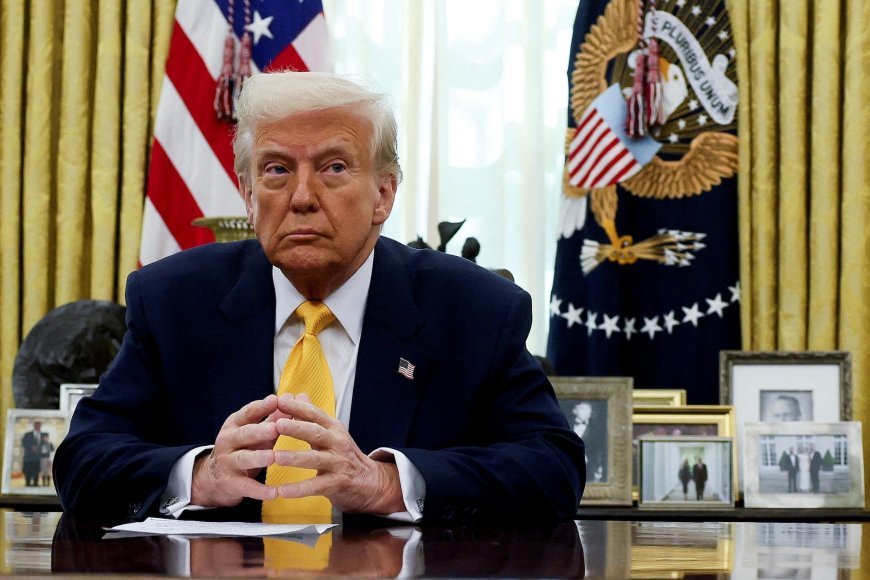
The tension underscores a recurring reality of modern global sport: international competition rarely exists apart from political context. While Olympic tradition emphasizes unity across borders, athletes increasingly operate within an environment shaped by real-time political discourse amplified through global media and digital platforms. The result is a competition that functions simultaneously as a sporting event and a forum for symbolic representation of national policy.
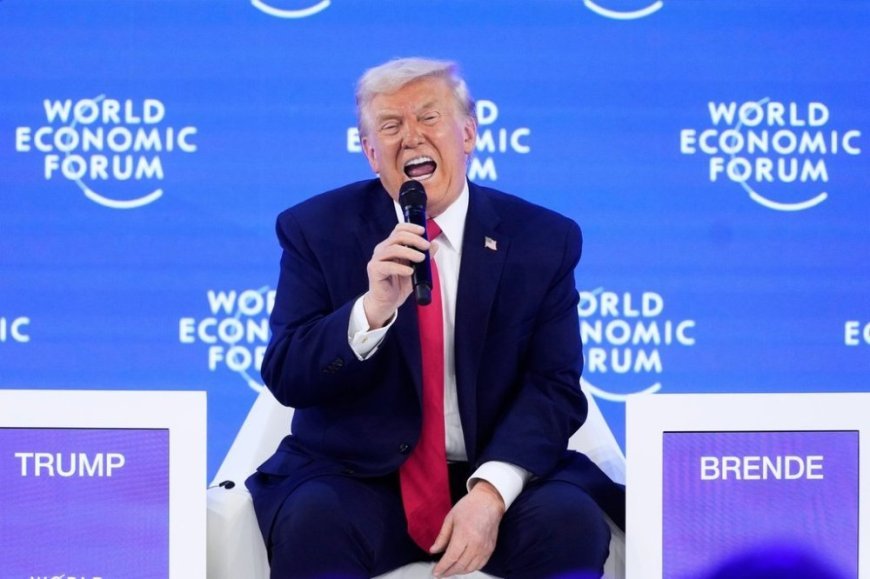
American competitors have publicly acknowledged the emotional complexity of representing a nation whose policies remain deeply contested both domestically and abroad. Expressions of ambivalence or personal reflection from athletes have generated rapid political response, illustrating how individual voices can become focal points for broader ideological conflict. The episode reflects a wider transformation in the relationship between political leadership and national representation in international sport, where public figures and athletes increasingly occupy shared communicative space.
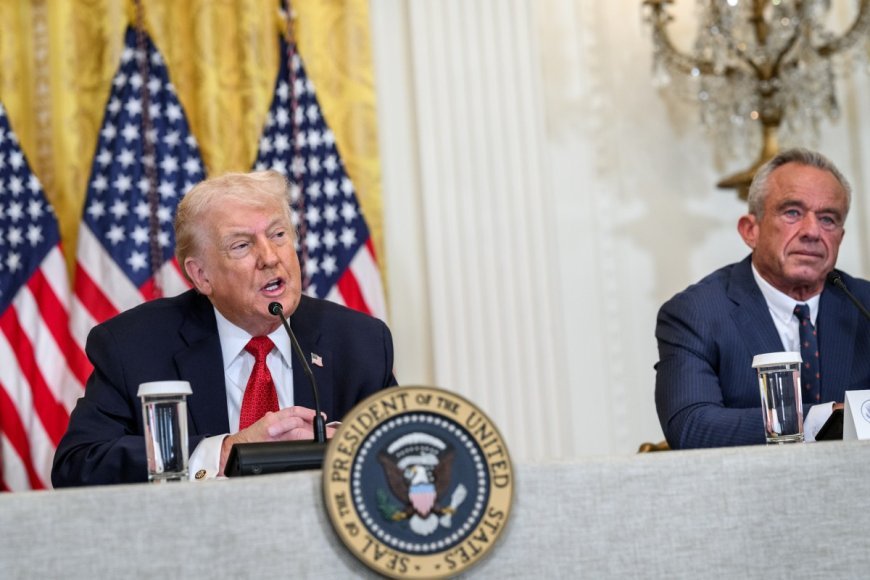
Political reaction to athlete commentary has further intensified attention on the U.S. delegation, shifting focus from athletic performance to questions of national image. Public criticism directed at competitors by political figures represents a departure from the historically unifying rhetoric that typically accompanies Olympic participation. The result is a reframing of athletic representation from a collective national endeavor to a contested symbolic platform shaped by domestic political narratives.
Fellow athletes have responded by emphasizing solidarity within the sporting community, highlighting a parallel dynamic in which competitors seek to maintain internal cohesion even as external pressures mount. For many, the Olympic arena has become a site where values such as inclusion, diversity, and mutual respect are articulated in response to broader political debate. This dynamic reflects a longstanding tradition of athlete expression that extends back decades, from historic protest gestures to contemporary forms of advocacy shaped by global connectivity.
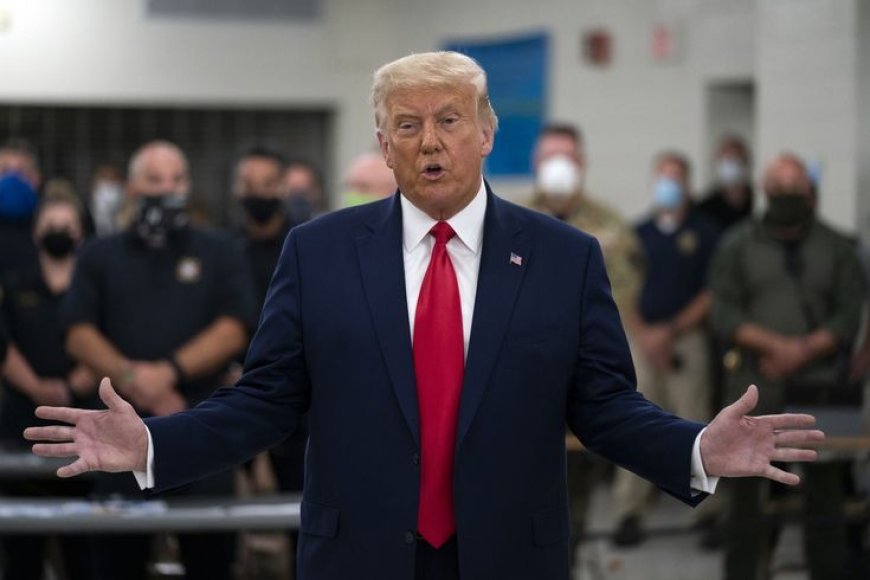
The present controversy also illustrates the evolving expectations placed on athletes in the modern media environment. Competitors are no longer viewed solely as representatives of athletic excellence but as public figures whose perspectives on social and political issues carry symbolic significance. The expansion of digital communication platforms has intensified this expectation, making political engagement both more immediate and more consequential for those in the international spotlight.
At the same time, many athletes have expressed caution about engaging in political discourse, citing concerns about misinterpretation, public backlash, or commercial consequences. This hesitation reflects the structural tension inherent in global sport, where competitors must balance personal expression, national representation, and professional responsibility within an environment shaped by competing audiences and interests.
The convergence of sport and politics at the Winter Olympics highlights a broader transformation in international perception of the United States. Domestic policy debates increasingly resonate beyond national borders, shaping how American identity is interpreted in global forums that extend far beyond traditional diplomatic channels. Athletic competition, broadcast to worldwide audiences, has become one such arena where national image is negotiated in real time.
Historically, the Olympic Games have served as both a mirror and amplifier of global political dynamics, from Cold War rivalry to contemporary debates over human rights and national identity. The current moment reflects a continuation of that pattern, with immigration policy emerging as a defining axis of international discussion surrounding American participation.
As the Winter Games continue, the experience of American athletes illustrates how global competition now unfolds within a deeply interconnected political landscape. The Olympic ideal of unity remains a powerful aspiration, yet the realities of modern geopolitics ensure that international sport continues to reflect the tensions, debates, and values shaping the world beyond the arena.
Advertisement