Trump Faces Tough Test in State of the Union as Poll Numbers Slide
With approval ratings falling and midterms approaching, Donald Trump delivers a high-stakes State of the Union to a skeptical America.
 Filna
Filna 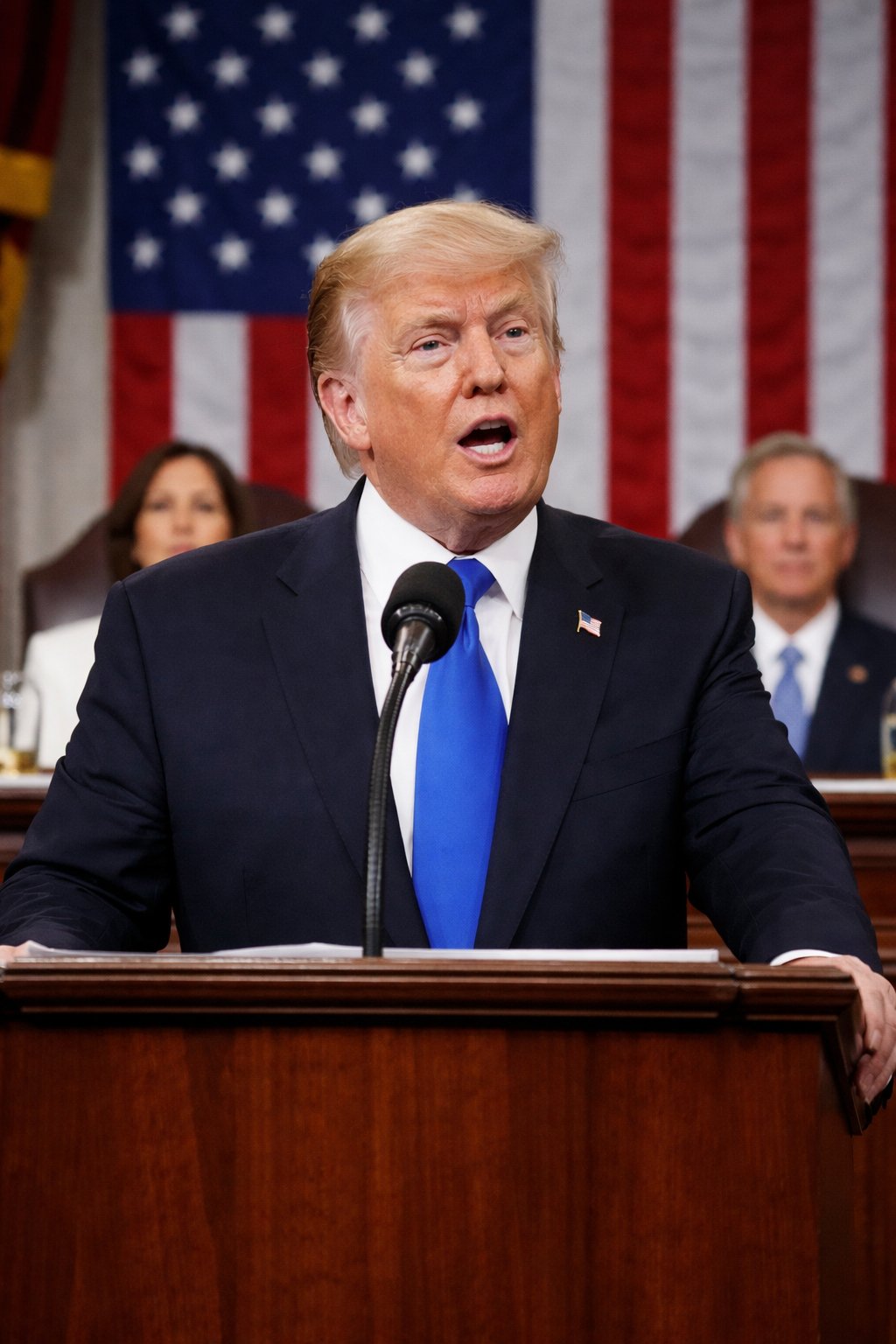
Advertisement
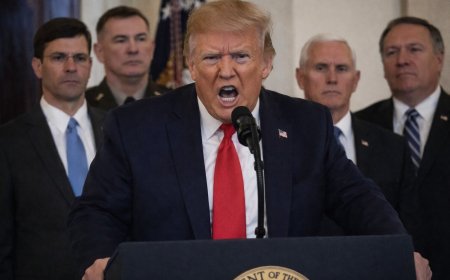
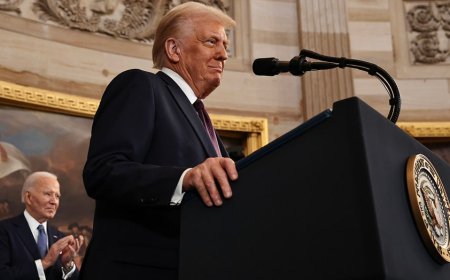
On Tuesday night, Donald Trump won’t just be delivering a State of the Union address — he’ll be defending his presidency.
Advertisement
Advertisement
Advertisement
Advertisement
The country he speaks to looks different from the one that welcomed him back into office last year. Approval ratings have slipped. Economic anxiety remains. And the midterm elections are now only months away.
This speech matters.
The Poll Problem
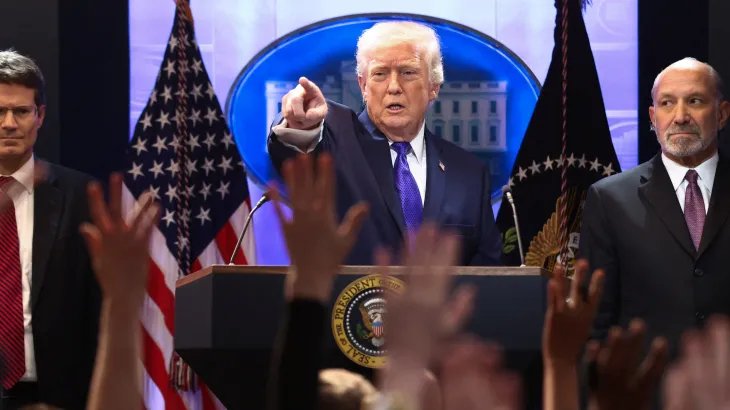
Recent surveys show Trump’s approval rating hovering in the mid-30s. That’s a noticeable drop from the early months of his second term.
More concerning for Republicans is the erosion among independents — the voters who often decide midterms. Their support has declined steadily, particularly on issues like tariffs and immigration enforcement.
The State of the Union offers Trump his largest audience before voters head to the polls in November.
It may also be his best chance to reset the narrative.
The Economy: Strong or Strained?
Trump insists the economy is booming. He points to strong stock market performance and low unemployment.
But many Americans say they still feel squeezed.
Inflation has cooled from previous highs, yet everyday costs remain elevated. Economic growth has slowed in recent quarters. And the administration’s tariff policies — some of which were struck down by the Supreme Court — have added uncertainty for businesses and consumers alike.
Trump has responded not by retreating, but by doubling down on tariffs under alternative legal authorities.
That approach energizes his base.
It worries financial markets.
Immigration: Victory or Backlash?
Immigration remains central to Trump’s message.
The administration has aggressively enforced border policies and expanded deportation efforts. Supporters call it decisive action. Critics argue it has gone too far, especially after controversial operations in cities like Minneapolis triggered protests.
Public opinion appears mixed — and increasingly divided.
For a president seeking broader support, the tone of Tuesday’s speech could matter as much as the policies themselves.
Executive Power and Resistance
Trump’s second term has been marked by bold assertions of executive authority. That includes trade policy, immigration enforcement and foreign policy maneuvers.
But institutions have pushed back.
The Supreme Court invalidated key tariff measures. Congressional Democrats are resisting funding requests without new safeguards. Local governments are challenging federal actions.
The question now isn’t whether Trump can move quickly.
It’s whether he can sustain public support while doing so.
Foreign Policy Uncertainty
Adding to the pressure is the growing military presence in the Middle East amid rising tensions with Iran.
Foreign policy decisions could reshape the political landscape overnight. They also carry risks that extend far beyond polling numbers.
A Chance to Broaden — Or Double Down
State of the Union speeches traditionally allow presidents to reach beyond their base and speak to the country as a whole.
Trump’s style, however, has often leaned more toward confrontation than consensus.
If he wants to improve his standing before the midterms, he may need to address economic concerns directly, acknowledge voter frustrations and offer clearer solutions.
Whether he chooses that path — or opts instead to reinforce familiar themes and grievances — will shape not only Tuesday night’s headlines, but possibly November’s results.
This speech is less about celebration.
It’s about persuasion.
And for a president facing sliding numbers, persuasion has never been more important.
Advertisement