‘Deeply Concerned’: William and Catherine Break Silence on Epstein — In Two Carefully Measured Lines
Prince William and Catherine issue a brief statement expressing concern over new Epstein revelations as scrutiny over Andrew intensifies.
 Filna
Filna 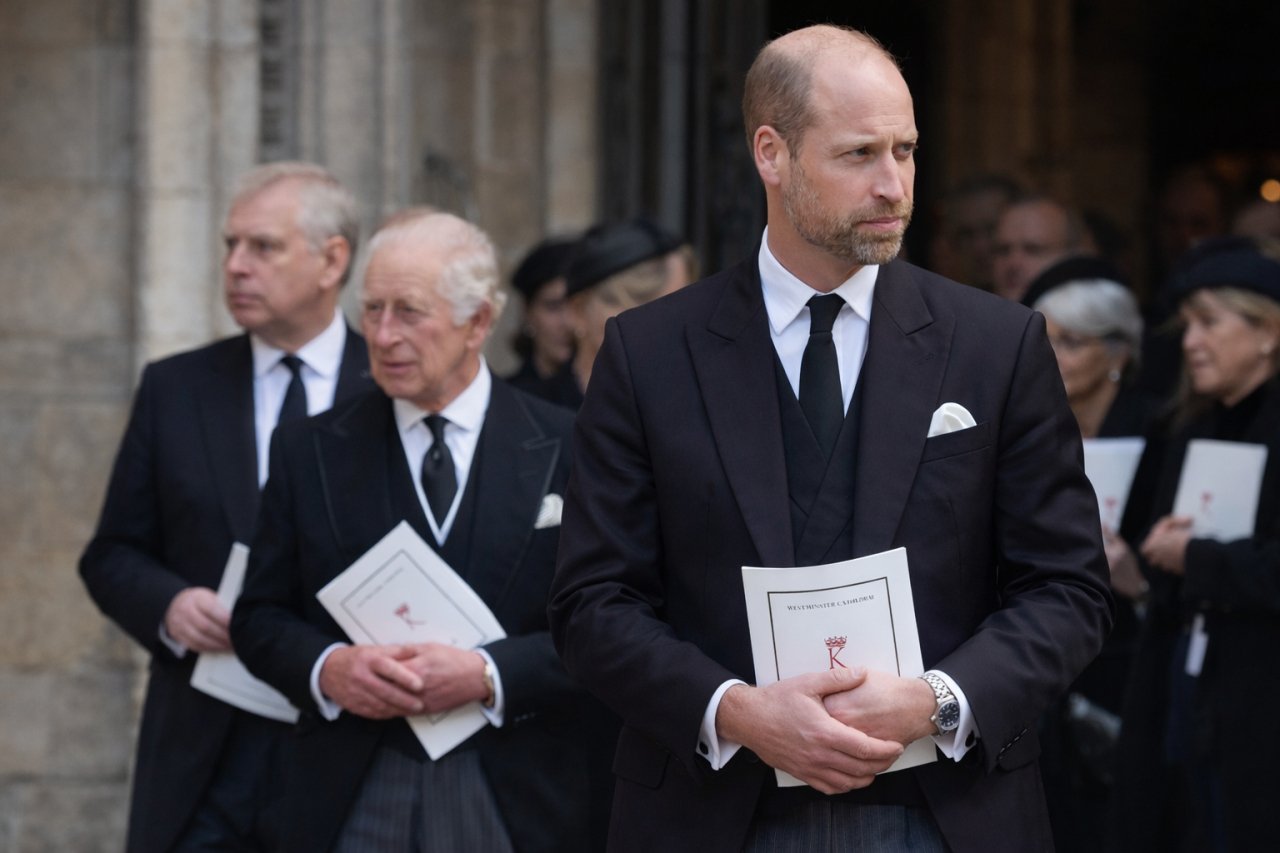
Advertisement
After weeks of swirling headlines, document dumps, renewed allegations, police assessments, and global scrutiny, Kensington Palace has spoken.
Advertisement
Advertisement
Advertisement
Advertisement
In exactly two lines.
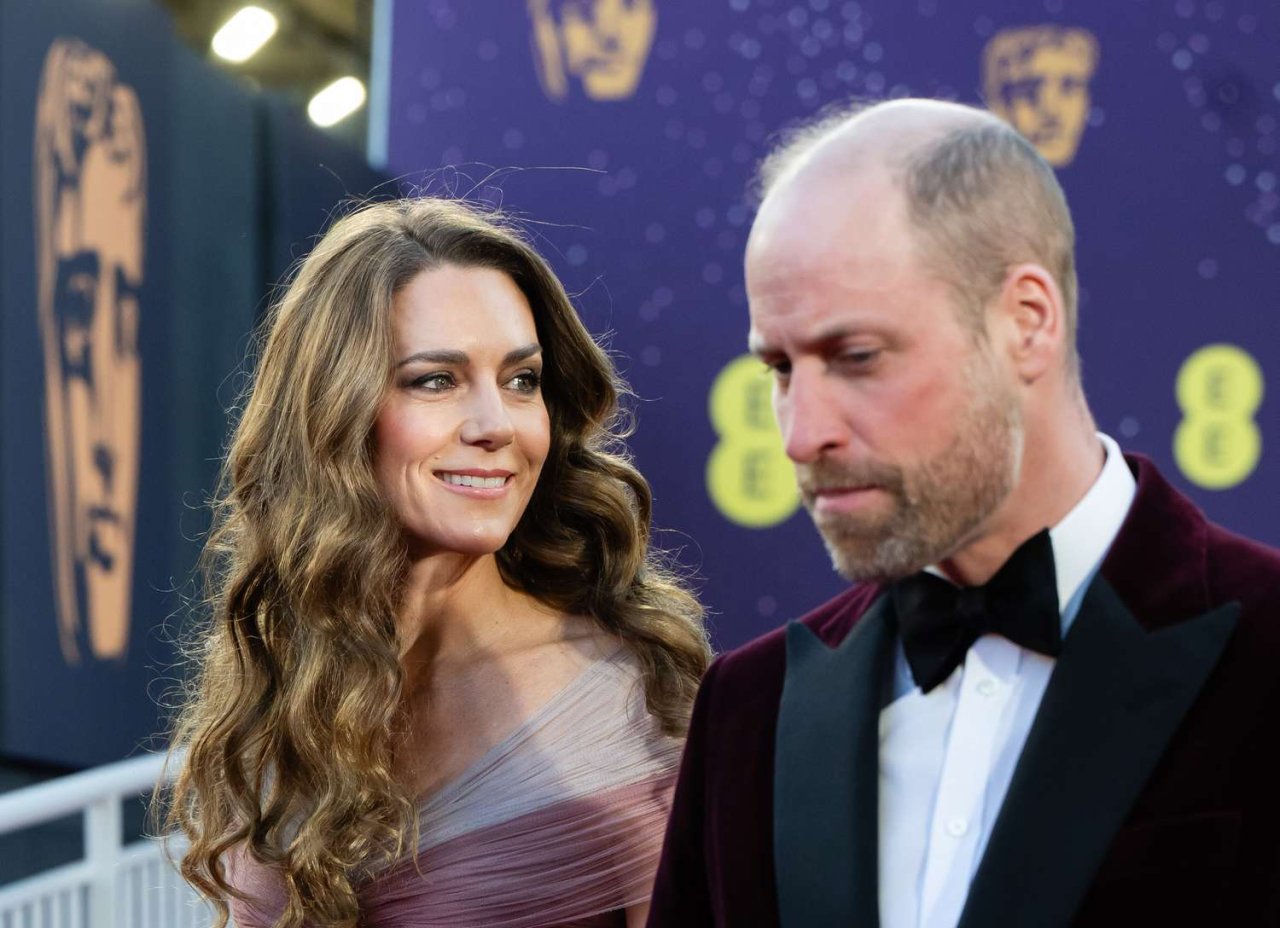
Prince William and Catherine are, we are told, “deeply concerned.”
That’s it.
No names.
No direct references.
No elaboration.
Just concern.
The Precision of Palace Language
The statement reads:
“I can confirm The Prince and Princess have been deeply concerned by the continuing revelations.
Their thoughts remain focused on the victims.”
Notably absent:
Jeffrey Epstein.
Andrew Mountbatten-Windsor.
Sarah Ferguson.
Specific allegations.
The monarchy has perfected a genre of communication that says everything and nothing at once.
And this was a masterclass in it.
Why Now?
The timing wasn’t random.
Prince William was preparing for a diplomatically sensitive trip to Saudi Arabia — a visit already walking a geopolitical tightrope.
Meanwhile, new US document releases reignited scrutiny over Andrew’s ties to Epstein.
Photos resurfaced.
Emails resurfaced.
Questions resurfaced.
Public pressure built.
And so, the Palace issued concern.
Just enough to show awareness.
Not enough to reopen wounds.
The Andrew Shadow That Won’t Fade
Andrew has:
• Stepped back from royal duties
• Lost his titles
• Vacated Royal Lodge
• Settled a civil lawsuit without admitting liability
• Apologised for his association with Epstein
Yet the headlines persist.
Recent US releases include images, emails, and allegations that continue to attach his name to Epstein’s network. Police are “assessing” fresh claims.
And every time a new tranche of documents drops, the monarchy is dragged back into the conversation.
Not because William is implicated.
But because proximity matters.
Concern vs. Accountability
“Deeply concerned” is safe.
It expresses empathy.
It signals awareness.
It avoids legal complications.
But it does not answer:
• Why did ties continue after Epstein’s conviction?
• Why did it take so long for a full separation?
• Why does Andrew’s name keep resurfacing in official documents?
The statement aims to protect the institution while acknowledging victims.
But it does not satisfy critics demanding sharper accountability.
The Optics Game
King Charles was recently heckled with the question:
“How long have you known about Andrew and Epstein?”
That question still hangs in the air.
William’s two-line response may help steady diplomatic appearances, but it does not extinguish public skepticism.
Because the modern monarchy is judged not just by ceremony — but by transparency.
And transparency is not traditionally the Palace’s strongest suit.
The Real Calculation
William is heir to the throne.
Every word he releases carries future authority.
Too strong a statement risks internal fracture.
Too weak a statement risks public backlash.
So he chose the middle lane: visible concern, institutional restraint.
It is cautious.
It is polished.
It is very royal.
The Bottom Line
The Prince and Princess of Wales are now officially on record.
They are concerned.
They are focused on victims.
They are not engaging further.
Whether that will be enough to quiet calls for a cleaner break from Andrew remains uncertain.
Because in 2026, reputations are no longer preserved by distance alone.
They are preserved by decisiveness.
And two lines of concern — however sincere — may not close a chapter that keeps reopening itself.
Advertisement