AI Stock Market Analysis 2026: Using Predictive Models for Retail Investing
Level the playing field with institutional investors. Discover how to use AI predictive models for stock market analysis in 2026. We review the top autonomous trading bots and machine learning tools that help retail investors identify alpha in volatile markets.
 Ronald
Advertisement
The era of manual technical analysis is rapidly fading. In 2026, the global equities market is dominated by algorithmic execution, but a new frontier has opened for the individual: Predictive AI Modeling. For the first time, retail investors have access to the same Enterprise AI Solutions once reserved for hedge funds. By leveraging machine learning to process alternative data, investors are building AI Wealth portfolios that can anticipate market shifts before they reflect in price action.
Advertisement
Advertisement
Advertisement
Advertisement
The Rise of Sentiment and Alternative Data
Traditional stock analysis focuses on balance sheets and historical price. However, 2026's most successful models prioritize Alternative Data. These AI systems crawl social media, satellite imagery of retail parking lots, and shipping manifests in real-time. By utilizing B2B SaaS Integration with data providers, retail investors can now spot supply chain disruptions or viral consumer trends weeks before a quarterly earnings report is released.
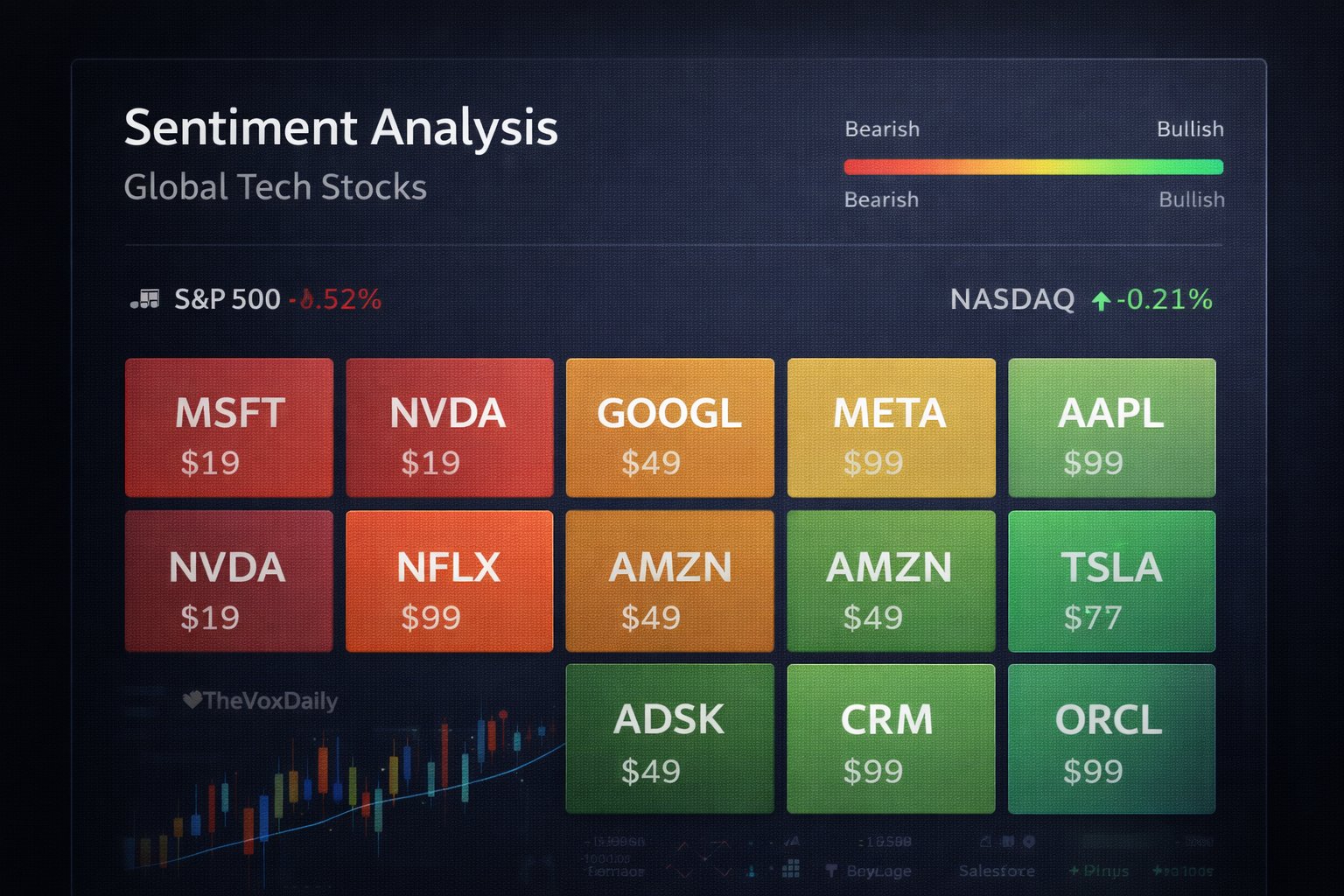
AI sentiment analysis heat map showing real-time market emotional data for tech and finance sectors.
Top AI Predictive Tools for 2026
The market for Financial Automation has birthed several "Retail-Alpha" platforms. Unlike simple bots, these tools use Deep Learning to adapt to changing market regimes—meaning they don't just follow a set of rules; they learn from their mistakes.
1. NeuralPortfolios (Autonomous Asset Allocation)
NeuralPortfolios uses a "Transformer" architecture—the same technology behind LLMs—to predict sector rotation. It doesn't just pick stocks; it manages risk by automatically adjusting your exposure to Enterprise AI Solutions or Green Energy based on macro-economic signals.
2. QuantConnect 2.0 (The Coder’s Edge)
For those who want more control, QuantConnect has integrated natural language processing. You can now describe a complex trading strategy in plain English, and the AI will code the algorithm, backtest it against 20 years of data, and deploy it to a brokerage via secure API in seconds.
Risk Management in an AI-Driven Market
While the upside of AI Stock Market Analysis is massive, the risk of "Flash Crashes" caused by synchronized algorithms is a real concern in 2026. Professional-grade Financial Automation tools now include "Circuit Breaker" logic. This ensures that if the AI detects an irrational market move that deviates from historical patterns, it automatically moves your capital into stable-value assets until the volatility subsides.

An investor utilizing AI-driven risk management software to protect their portfolio from market volatility.
Institutional Advantage vs. Retail AI
Critics argue that as everyone gains access to AI, the "Alpha" (excess return) will disappear. However, the 2026 market shows the opposite. Institutional players often have "rigid" mandates, while retail investors can be nimble. By using niche B2B SaaS Integration to focus on small-cap tech and emerging markets, individual investors can find opportunities that are too small for massive funds to bother with.
Conclusion: The Future of Portfolio Growth
Building AI Wealth through the stock market is no longer about "beating the machine"—it is about owning the machine. As you scale your investment strategy, remember that the most profitable models are those that combine AI speed with human intuition. Use the predictive models to filter the noise, but maintain the final "Buy" or "Sell" authority to ensure your portfolio aligns with your long-term financial goals.
Advertisement