How to Find Undervalued Real Estate "Gold Mines" with AI Geospatial Models: The 2026 Investor's Blueprint
Stop guessing and start winning. Learn how to use AI geospatial models to find undervalued real estate "gold mines" before the market reacts. We break down the 2026 tools for predictive property analytics, neighborhood gentrification mapping, and autonomous high-yield investing. Your $10k/month rental portfolio starts here.
 Ronald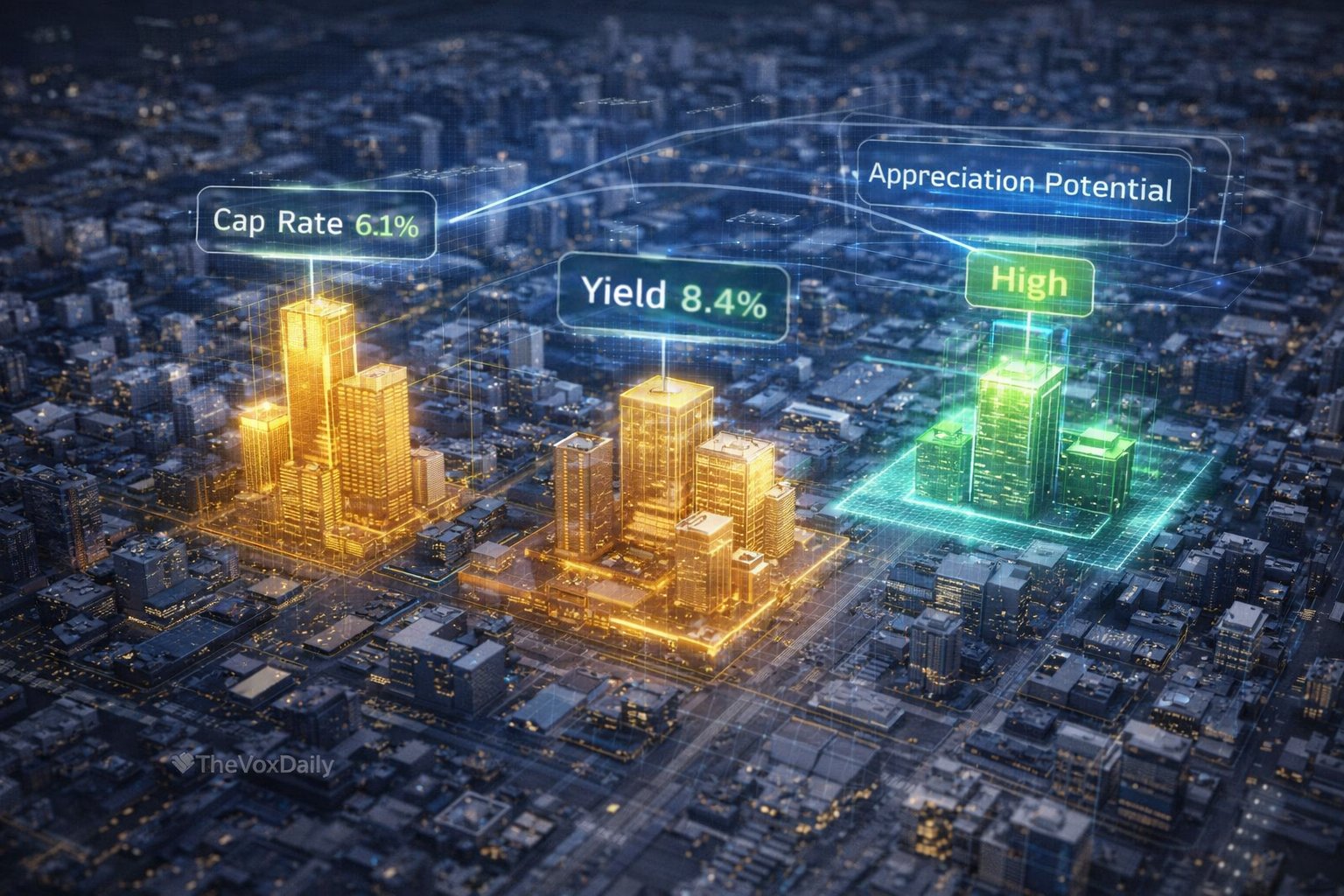
Advertisement
The traditional "boots on the ground" approach to real estate is officially obsolete. In 2026, the world’s most successful property moguls are replacing intuition with geospatial artificial intelligence (GeoAI). By the time a "For Sale" sign hits a lawn, the high-alpha opportunity is usually gone. To reach significant wealth goals, investors must move into the realm of Predictive Real Estate—using Enterprise AI Solutions to identify undervalued "Gold Mines" months before they appear on mainstream listing sites.
Advertisement
Advertisement
Advertisement
Advertisement
The Power of Geospatial Intelligence in 2026
Geospatial models do more than just look at addresses; they analyze "The Pulse" of a city. These systems integrate thousands of data points—everything from building permit density and Starbucks "proximity signals" to changes in nighttime satellite luminosity and local social media sentiment. This B2B SaaS Integration allows retail investors to see a neighborhood’s "Gentrification Velocity" in real-time. When the AI detects a 15% increase in local startup registrations and a 10% decrease in average "Days on Market" for a specific zip code, it signals an immediate "Buy" before prices skyrocket.
The depth of this data is staggering. In 2026, the most advanced models are now incorporating environmental transit patterns and even cellular "ping" density to determine where high-income earners are spending their weekends. This is the difference between buying a house in a quiet neighborhood and buying the centerpiece of the next major commercial district.
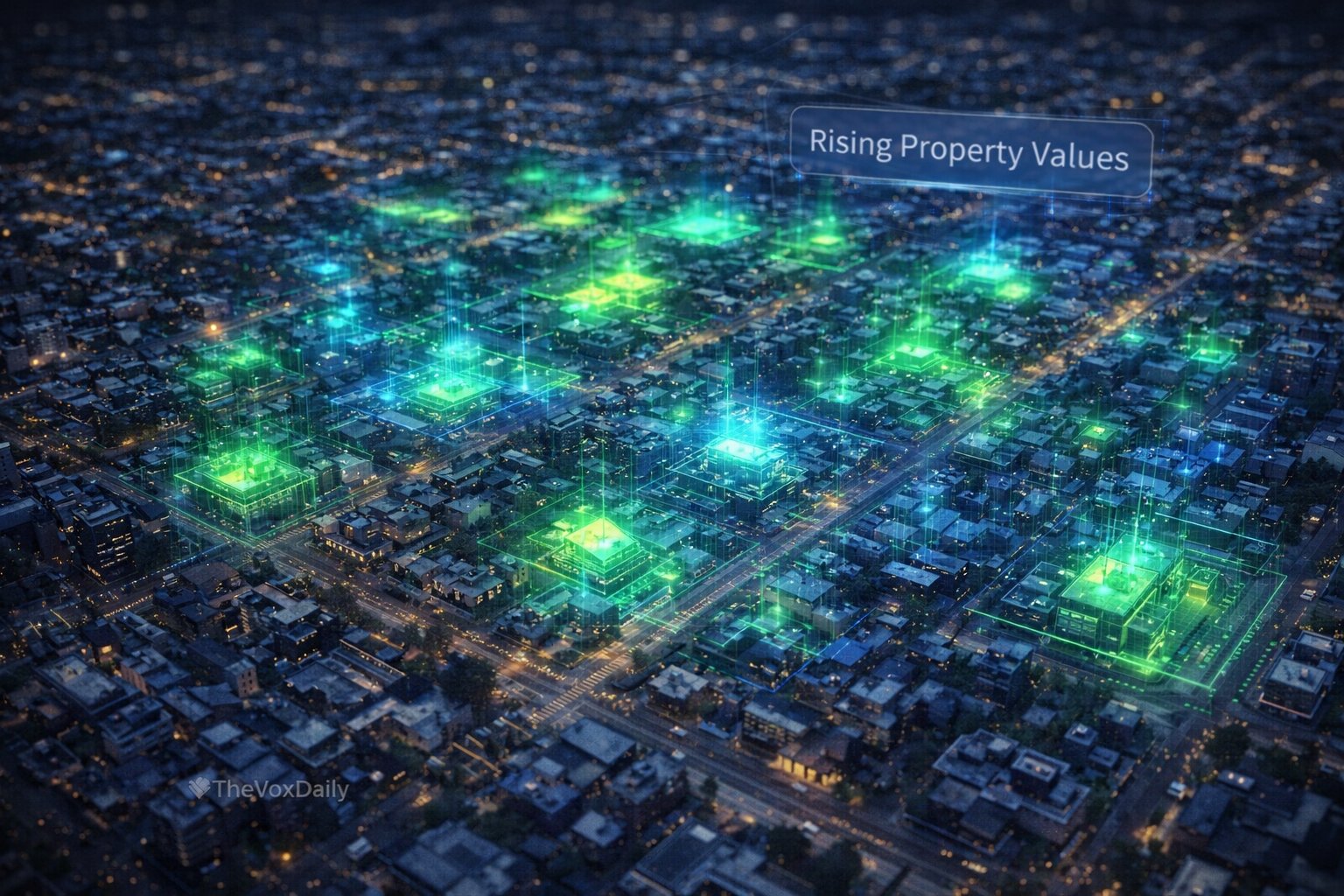
A high-tech GeoAI heat map visualizing neighborhood appreciation and property value growth trends in 2026.
How to Access "Shadow Inventory" Using Machine Learning
The real profit in 2026 lies in the "Shadow Inventory"—properties that aren't yet for sale but whose owners are likely to sell soon. Predictive AI models analyze "Distress Signals" such as property tax delinquency, changes in marital status in public records, and even aging-in-place data. By applying Machine Learning to these datasets, investors can reach out to owners with off-market offers, securing properties at 20-30% below market value.
This automated outreach is part of the Financial Automation revolution. Instead of manually cold-calling, these AI agents use natural language generation to send personalized letters or digital ads to the owners, offering a solution before they even list the property with an agent. This proactive stance is what allows modern investors to bypass the bidding wars that destroy profit margins.
1. The "Permit-Pulling" Strategy
One of the most effective Financial Automation tactics involves tracking commercial renovation permits. If a major tech hub or a premium grocery chain pulls a permit in a "run-down" area, the AI model immediately flags every residential property within a 2-mile radius. This allows you to purchase rental units right before the "Anchor Tenant" increases the entire neighborhood's desirability.
2. Climate-Risk Arbitrage
In 2026, climate data is an essential part of the AI Wealth toolkit. While some investors flee coastal areas, sophisticated AI models identify "Climate Havens"—high-elevation areas with robust water infrastructure that the general market has yet to revalue. This long-term "Alpha" play is what separates average investors from those building generational wealth.
The Role of Tokenization and Automated Liquidity
Real estate has historically been an "illiquid" asset, but B2B SaaS Integration with blockchain technology has changed the game. Investors can now "Tokenize" their property holdings, allowing them to sell 10% of a building's equity instantly to cover other expenses or reinvest. This Financial Automation ensures that your capital is never "trapped," providing the liquidity needed to keep your cash flow engine running smoothly.
This level of liquidity means that the "Landlord" of 2026 functions more like a fund manager. You can move in and out of specific zip codes with a few clicks, reallocating your capital to whichever neighborhood the geospatial AI identifies as the next growth zone.
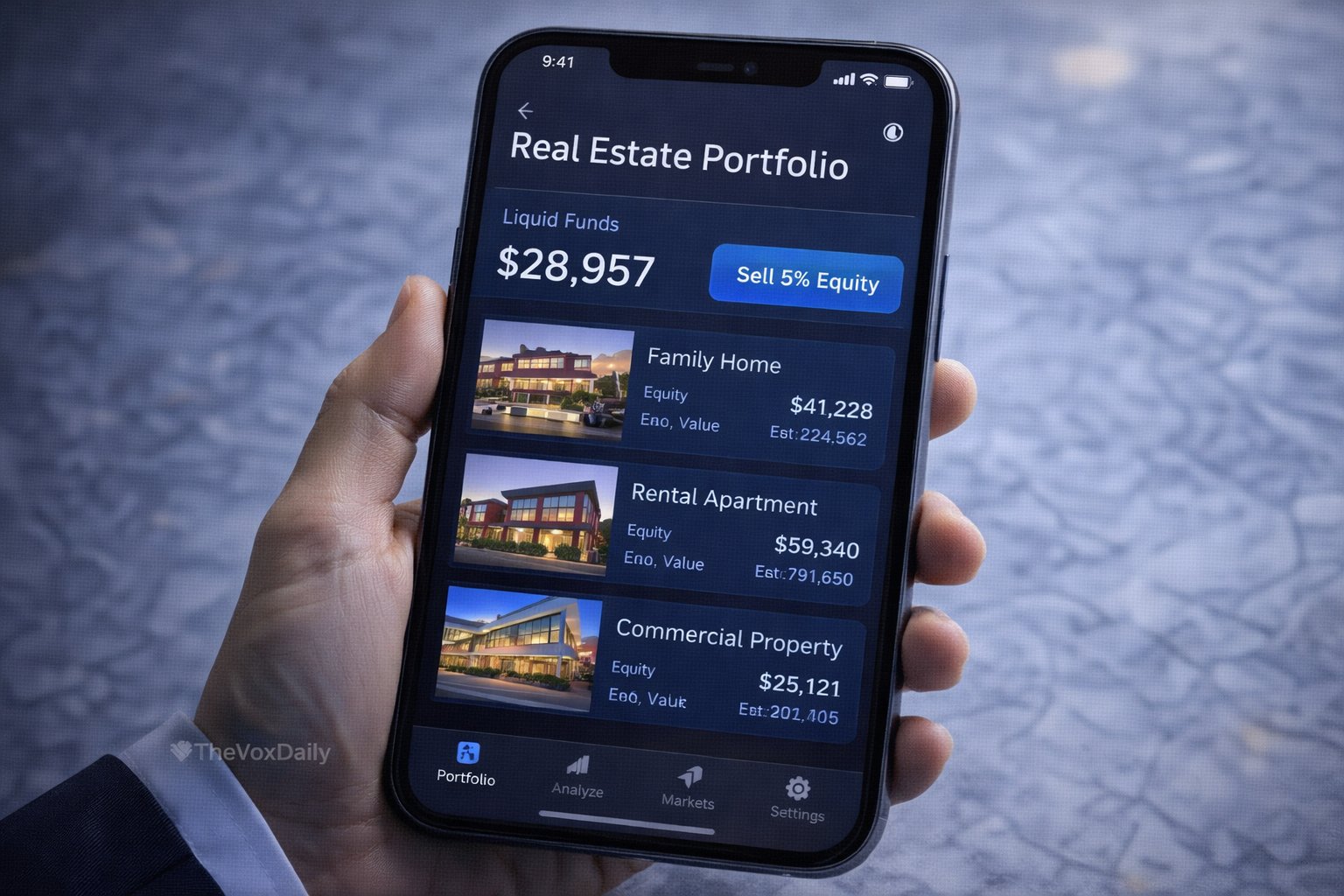
Modern real estate tokenization app showing how investors can gain instant liquidity from their property assets.
Top AI Real Estate Platforms to Watch
To implement this strategy, you need tools that offer Enterprise AI Solutions for the individual. Platforms like PropStream and HouseCanary have evolved into full "Agentic" systems. They don't just give you data; they automatically send direct mail pieces or digital ads to the owners of the "Gold Mine" properties identified by the geospatial models. This is the definition of "Passive Income": your AI identifies the deal, initiates the contact, and you only step in to sign the contract.
The integration of these platforms into your broader business workflow is seamless. By connecting these AI tools to your CRM, you can manage a portfolio of 50+ properties across multiple continents with a team of only one or two people. The overhead is low, and the profit margins are staggering.
Maximizing Returns Through Automated Property Management
Once the property is acquired, the AI doesn't stop. Smart-home sensors and AI-driven maintenance predictors allow you to fix an HVAC system before it breaks, saving thousands in emergency repairs. Furthermore, dynamic pricing AI—similar to what airlines use—constantly adjusts your rental rates based on local events, vacancy rates, and seasonal demand, ensuring your yield is always optimized to the highest possible cent.
Conclusion: Becoming the AI Landlord
The future of real estate isn't found on old-school listing sites—it's found in the data. By mastering AI Geospatial Models, you aren't just buying houses; you are buying information gain. In an era where information moves faster than capital, being the first to know where the next boom will happen is the only way to secure a dominant position in the market.
Stay tuned to The Vox Daily for more in-depth strategies on 2026 financial automation and wealth building.
Advertisement