Nations Seek New Alliances as Trump’s Foreign Policy Jolts Global Order
Countries across Europe and the Indo-Pacific are strengthening new trade and security partnerships as uncertainty around US policy pushes allies to diversify relationships while maintaining ties with Washington.
 Ronald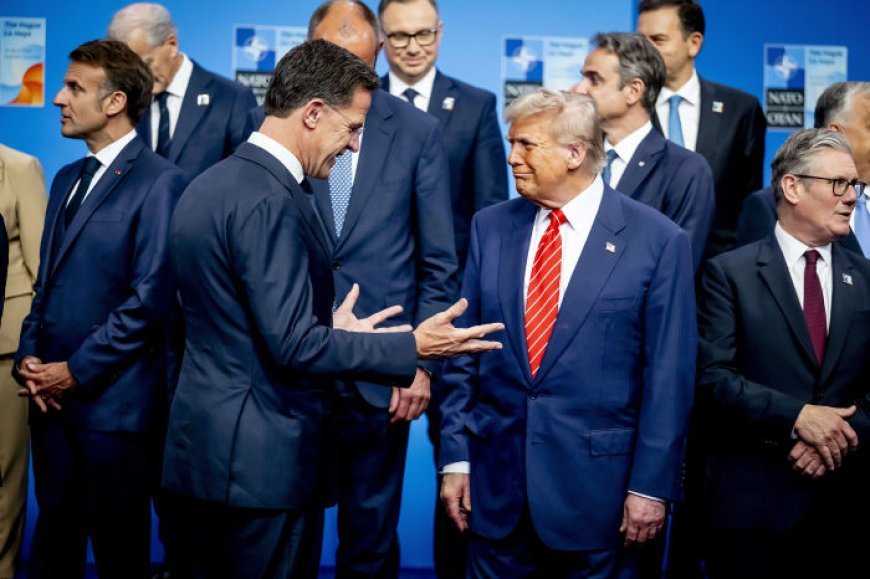
Advertisement
Governments around the world are accelerating efforts to build new diplomatic, economic and security partnerships as uncertainty surrounding US policy reshapes global alliances.
Advertisement
Advertisement
Advertisement
Advertisement

While most countries are not seeking to sever ties with Washington, many are pursuing what analysts describe as a “US-plus” strategy — maintaining relations with the United States while reducing reliance on it. The shift is particularly visible among US allies in Europe and the Indo-Pacific.
European Commission President Ursula von der Leyen is expected to travel to Australia following the Munich Security Conference to advance a long-discussed trade and security agreement. The European Union has recently expanded cooperation with the United Kingdom, Canada and India, and finalized a trade pact with several South American nations.

Analysts say the diplomatic surge reflects growing concern over the stability of the global trading system. At the World Economic Forum in Davos, Canadian Prime Minister Mark Carney urged smaller and mid-sized powers to deepen cooperation as major powers turn inward.
Canada has simultaneously moved to repair strained relationships with major economic partners. Ottawa recently reopened engagement with China, agreeing to tariff reductions on certain goods and expanded access for Chinese electric vehicles. Canadian officials have also signaled plans to strengthen trade and investment ties with India after years of diplomatic tension.
Experts say these developments signal an ongoing restructuring of global commerce. Although supply chains built over decades are difficult to unwind quickly, the pace of change is increasing as countries seek to hedge against geopolitical risk.
Trade data reflects the shift. While US trade with key partners has grown modestly, global trade overall has expanded at a faster rate, suggesting diversification beyond traditional economic channels.
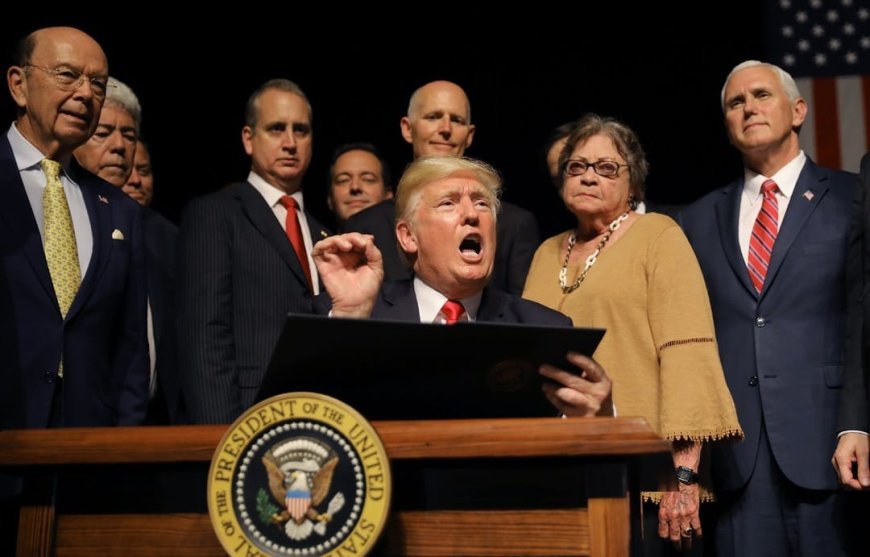
Despite these adjustments, most governments continue to view the United States as an essential economic and security partner. The emerging approach reflects a dual strategy: preserving access to the world’s largest economy while building alternative partnerships to reduce vulnerability to policy swings.
The result is a gradual but significant rebalancing of global alliances, with countries positioning themselves for a more uncertain geopolitical era.
Advertisement