Poll Signals Voter Doubts on Trump Energy Strategy as Democrats Gain Edge on Costs
A new national poll shows Democrats holding a perception advantage on energy affordability, highlighting voter anxiety over rising utility costs ahead of key midterm elections.
 Ronald
Advertisement
Voter concern over rising energy costs is reshaping the political landscape, with a new national poll indicating Democrats hold a perception advantage over Republicans on affordability — a shift that could influence the upcoming midterm elections.
Advertisement
Advertisement
Advertisement
Advertisement
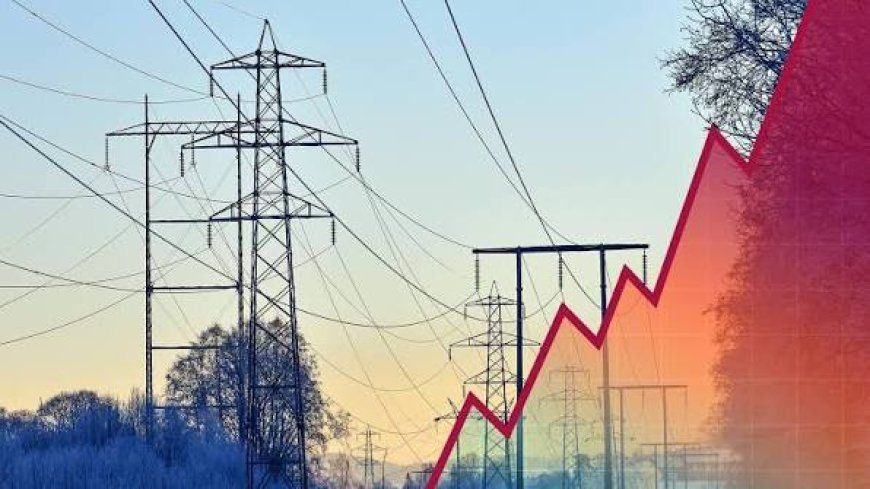
According to the survey of 2,093 U.S. adults, 37 percent believe Democrats are more committed to lowering household energy costs, compared with 25 percent who say Republicans are. While neither party commands majority trust on affordability, the gap reflects growing public unease as electricity and heating costs continue to climb nationwide.
The findings mark a notable reversal in economic confidence trends. As recently as late 2024, polling suggested voters trusted Donald Trump more than Democratic leadership on economic stewardship. However, persistent increases in utility bills have complicated that advantage and may pose risks to Republicans’ narrow House majority.
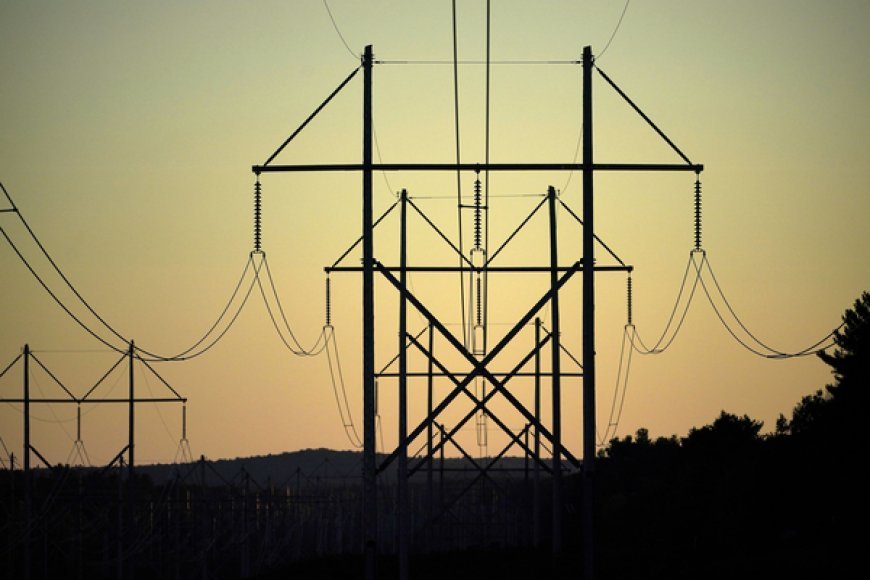
Energy affordability has emerged as a central political issue as residential electricity prices have surged since early 2025. Government data show household power bills have risen sharply, driven by increased demand, infrastructure upgrades, and limited growth in new energy generation capacity. Analysts also point to the rapid expansion of energy-intensive artificial intelligence data centers as a contributing factor in some regions.
Strategists from both parties acknowledge that affordability concerns remain politically unsettled terrain. Analysts note that while Democrats have aggressively criticized Republican energy policies, they have yet to present a widely recognized alternative plan to reduce costs. Meanwhile, the Trump administration has emphasized efforts to contain prices while also promoting major industrial and technology investments that could increase long-term energy demand.
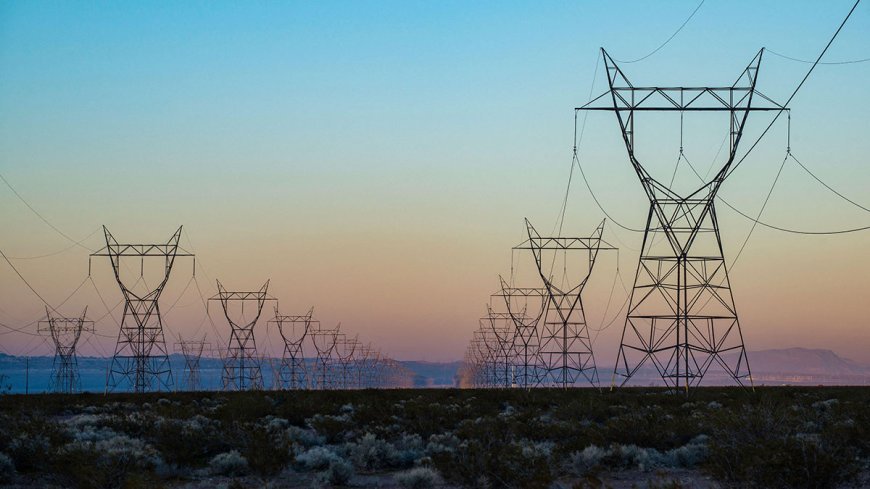
The poll also revealed a divide within Republican voters. Strong Trump-aligned voters overwhelmingly believe Republicans are better positioned to control energy prices, while less ideological Republican supporters are more skeptical.
Public attitudes toward infrastructure tied to energy demand remain fluid. Many Americans support economic development projects such as data centers in principle, but support declines significantly when those projects are linked to higher electricity bills. Conversely, opposition softens when projects are projected to reduce monthly costs.
Gasoline prices remain one relative bright spot, having declined compared with last year. However, analysts say lower fuel costs have not offset broader anxiety over electricity and heating expenses.
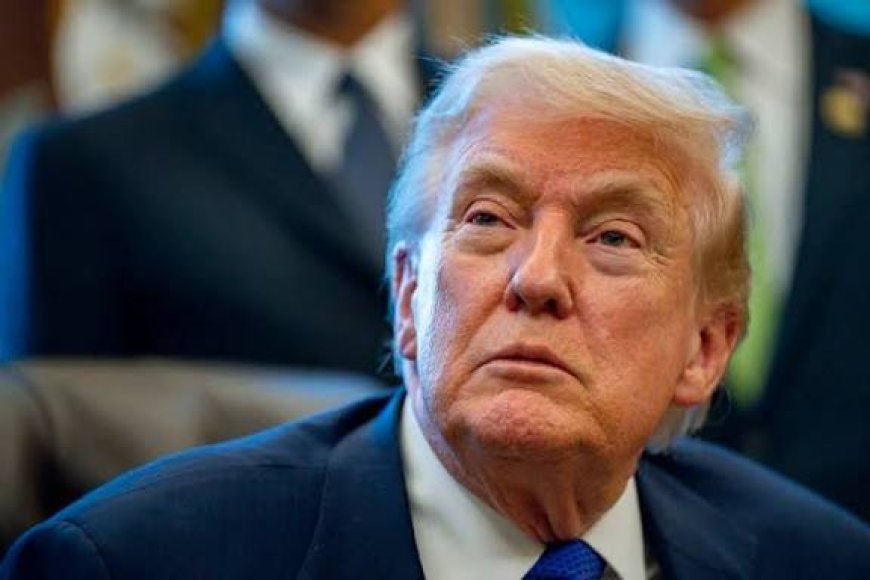
Political observers say the results underscore a broader reality shaping the 2026 election cycle: affordability concerns remain unresolved, and voters appear to be waiting for a convincing plan from either party.
Advertisement