Donald Trump Sues Government, Awaits Multi-Billion Dollar Refund From Himself
Donald Trump is seeking hundreds of millions — potentially billions — from the U.S. government over past investigations. His own appointees must now decide whether taxpayers should pay their boss.
 Filna
Filna 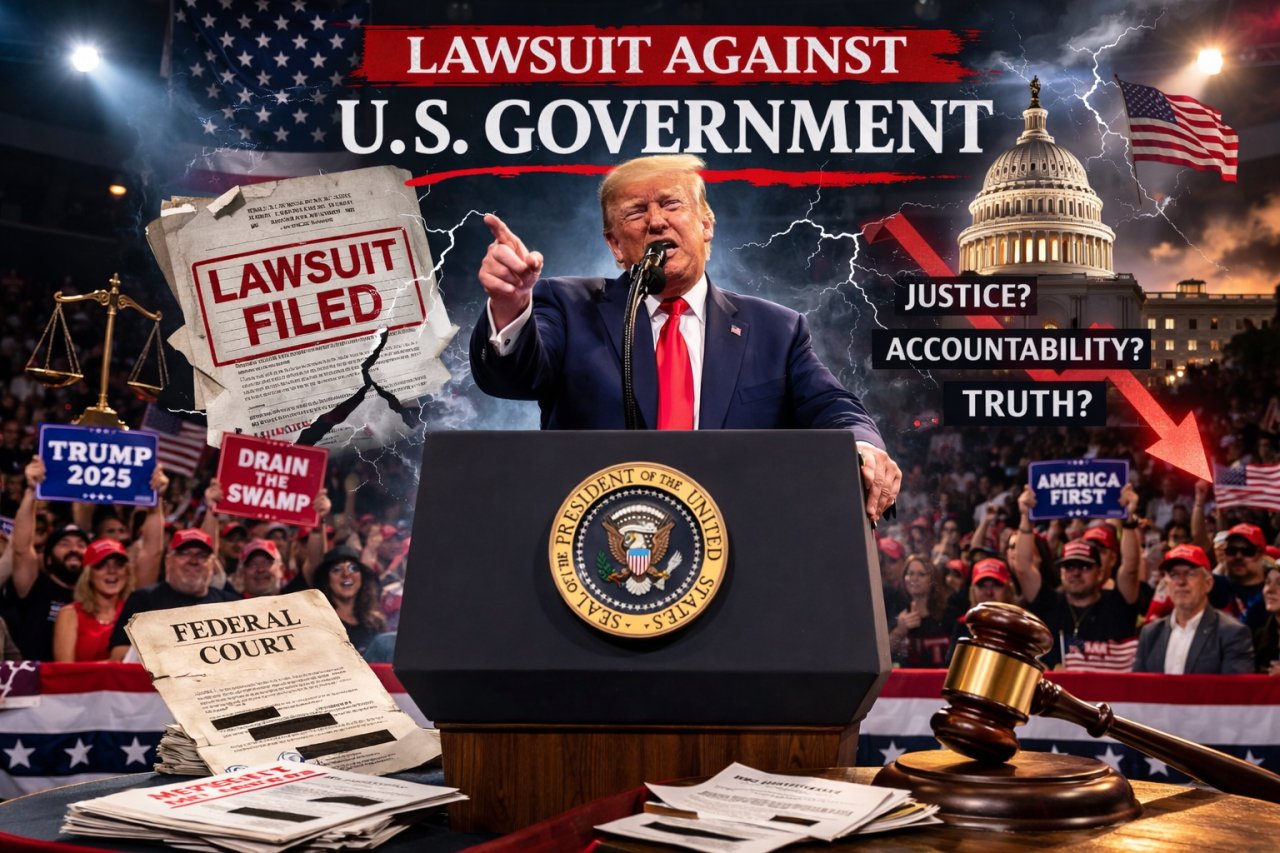
Advertisement
In what legal scholars are delicately describing as “structurally awkward,” President Donald Trump would like the United States government — the one he currently leads — to pay him hundreds of millions, possibly billions, of dollars.
Advertisement
Advertisement
Advertisement
Advertisement
Yes. The plaintiff and the executive branch share the same mailing address.
Trump has filed multiple claims arguing that he was harmed by Justice Department investigations, including the FBI search of his Florida resort in 2022 and earlier inquiries into his campaign’s ties to Russia. One filing alone seeks $230 million related to the Mar-a-Lago search and prior federal probes.
Now comes the plot twist: it is up to Trump’s own political appointees at the Department of Justice to decide whether to settle those claims — and for how much taxpayer money.
“There is a glaring conflict of interest,” said Edward Whelan, a conservative former DOJ lawyer and one-time clerk to Justice Antonin Scalia. “It is outrageous that he and those answering to him would be deciding how the government responds.”
Outrage, meet organizational chart.
The Lawsuit Strategy
For Trump, litigation has long functioned as both legal maneuver and public messaging platform. Filing claims — even those with slim odds — has historically served as a method of broadcasting grievance.
A White House official described the current lawsuits as “unfinished business.”
And indeed, the issue appears to linger.
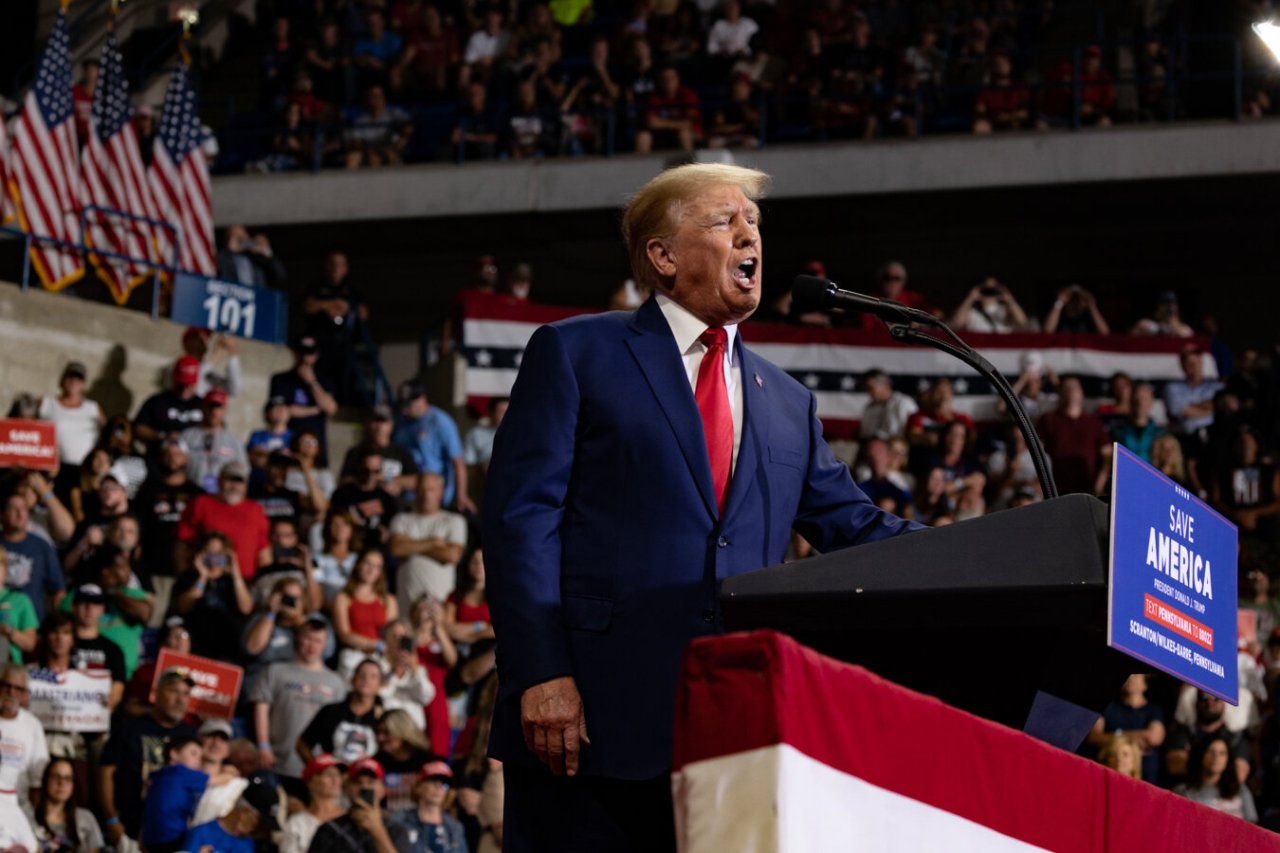
At a December rally in North Carolina, Trump pivoted mid-speech from economic messaging to the FBI search of Mar-a-Lago.
“I had these animals trying to attack me,” he said, recounting the 2022 operation. “They went into my wife’s closet.”
Federal agents seized classified documents from a bathroom, ballroom and office as part of a court-approved investigation into unlawful retention of government secrets and alleged obstruction. Trump has consistently characterized the search as politically motivated.
His response: sue the government.
Then win the presidency.
Then negotiate with himself.
Executive Power, Now With Cashback
The legal dynamic is simple on paper: Trump alleges damage from government investigations. He is seeking compensation.
The structural complication is equally simple: the executive branch now answering the claim is run by the person filing it.
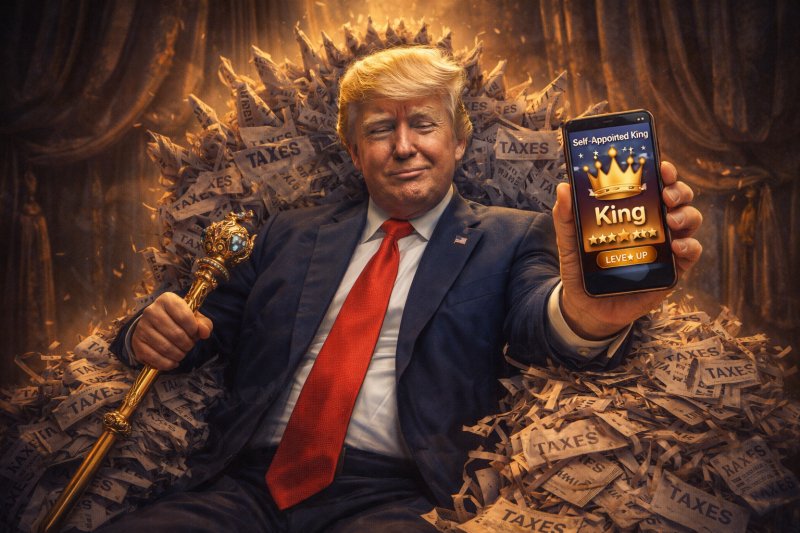
“Donald Trump sues the United States of America,” Trump joked at a rally. “Donald Trump becomes president. And now Donald Trump has to settle the suit.”
Somewhere, constitutional law professors are breathing into paper bags.
The Department of Justice has not announced any settlement decisions. Any payout would come from taxpayer funds.
Which means, in theory, Americans could be asked to compensate their president for investigations conducted by the government he now oversees.
The executive branch, it seems, may soon experience internal negotiations of a uniquely personal nature.
Claim filed: yes.
Settlement authority: also yes.
Conflict of interest: widely noted.
Taxpayer wallet: nervously observing.
In the ever-evolving boundaries of executive power, this chapter introduces a new innovation:
Self-reimbursement.
History will decide whether it qualifies as legal theory, political theater, or the world’s most ambitious refund request.
Advertisement