Trump and NATO turn Into Partners As They Join New Forces To Hit Iran With Another Heavy Strike
NATO missile defense goes on alert as Iran retaliates, European leaders “step up,” and suddenly everyone remembers they’re on the same team.
 Ronald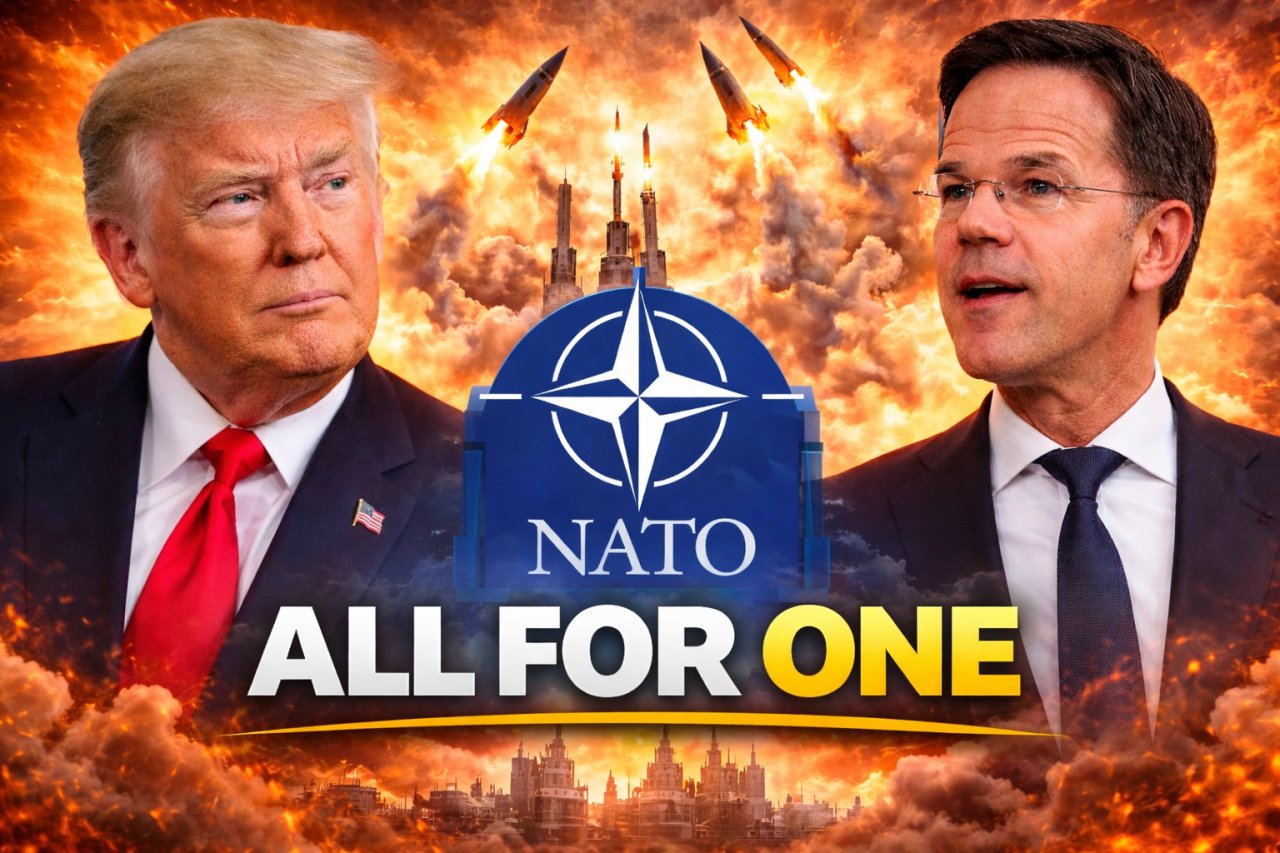
Advertisement
Just when you thought Operation Epic Fury was a solo act, NATO walked onto the stage with dramatic lighting and declared, essentially, “We, too, have strong opinions.” As Iranian missiles streaked toward Israel and Gulf states in retaliation, the NATO missile defense system went on alert, because nothing says “measured response” like synchronized radar screens lighting up across continents.
Advertisement
Advertisement
Advertisement
Advertisement
The framing was immediate and emphatic. Iran fires. NATO alerts. Gulf states unite. Europe steps up. And somewhere in Brussels, someone dusted off the phrase “all for one, one for all” like it was an old alliance slogan waiting for its comeback tour.
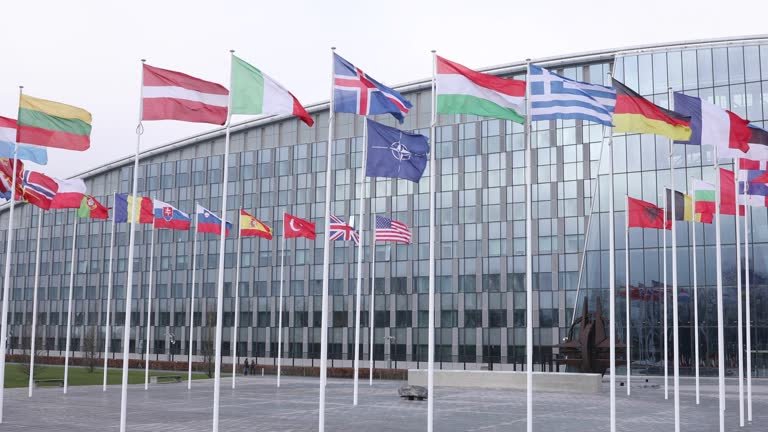
NATO headquarters and alliance flag symbolizing collective defense during Operation Epic Fury
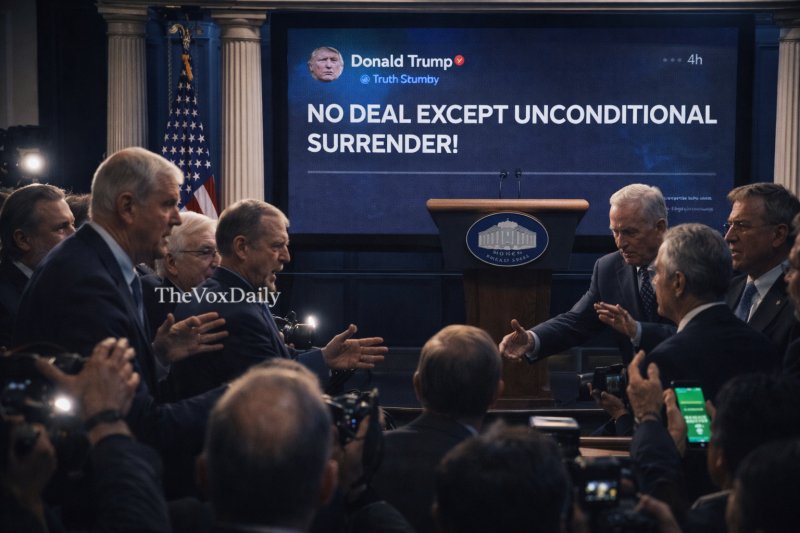
NATO Secretary General Mark Rutte appeared not as a hesitant diplomat, but as a man determined to project cohesion. He opened with condolences for U.S. service members who made the ultimate sacrifice, then pivoted swiftly to commend what he described as decisive action under President Donald J. Trump. Nuclear capability dismantled. Ballistic missiles degraded. Regional chaos confronted. The tone suggested less debate and more endorsement.
The interesting subplot, however, lies in Europe’s initial hesitation. In the early hours of the campaign, enthusiasm across the Atlantic was not exactly overflowing. Questions lingered. Legal reviews were requested. The United Kingdom, in particular, needed its paperwork aligned before opening up bases for operational “enablement.” Because nothing accelerates modern warfare quite like a well-documented legal brief.
Eventually, though, the bases became available. Access granted. Logistics aligned. Defensive cooperation activated. The Brits framed it carefully: not joining offensive action, but supporting collective self-defense. Translation: we are not throwing the punch, but we are absolutely holding the door open.
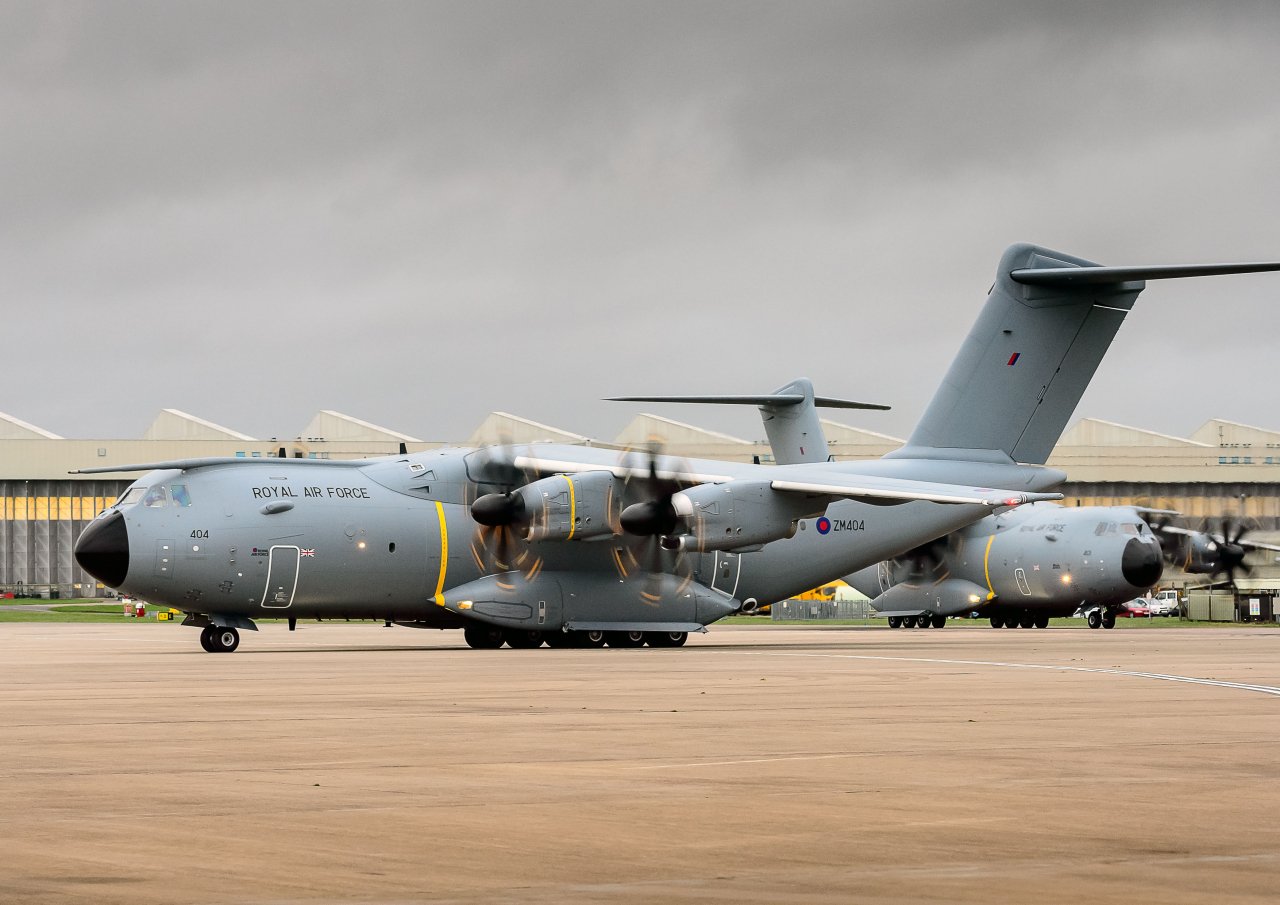
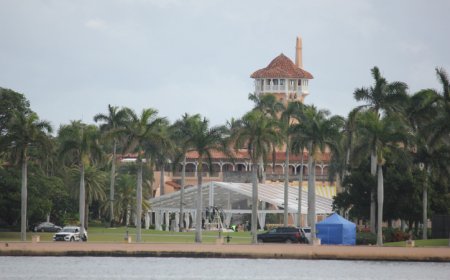
British military installation representing base access and logistical support for U.S. operations
Meanwhile, the geopolitical ripple effects began expanding. Gulf states that once navigated delicate balancing acts suddenly found themselves united against Tehran. Iran’s missile retaliation reportedly struck civilian-adjacent areas, energy infrastructure, and regional hubs, prompting alarm not only in Israel but across the UAE, Bahrain, and Oman. In what may be the most ironic development of all, Tehran’s response appears to be accelerating the regional unity it may have hoped to fracture.
The narrative now being promoted is one of alignment. Germany’s chancellor traveling to Washington. France signaling support. The U.K. finalizing its legal green light. Even nations that initially appeared cautious are now described as “stepping up.” It is early in the campaign, Rutte emphasized, and unity must be visible. And perhaps loud.
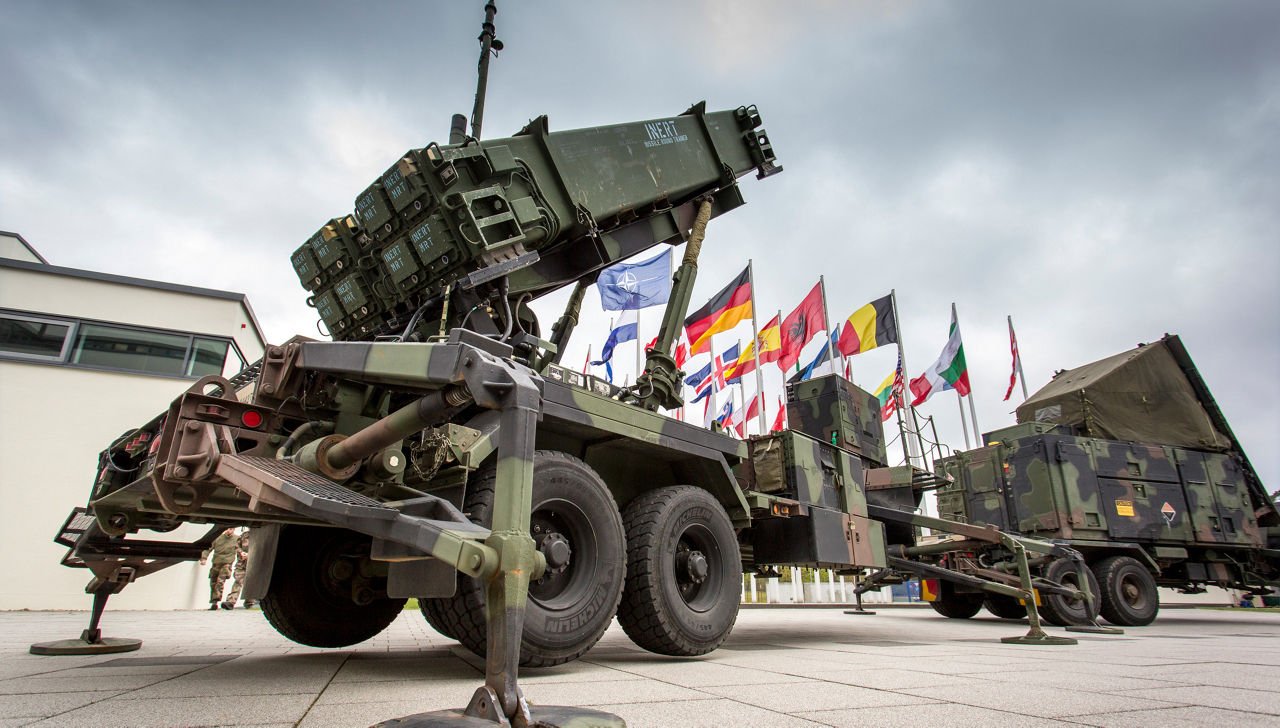
Missile defense system activated as NATO responds to Iranian retaliation
Of course, not everyone moves at the same speed. Turkey and Spain were subtly name-checked as lagging in enthusiasm, because alliance solidarity, like any group project, depends on everyone submitting their portion before the deadline. But the overarching message remains clear: there is, in official language, “no light between” the United States and its European allies.
Iran, in this framing, is described as exporting chaos and threatening regional stability. NATO, in response, presents itself as unified, resolute, and aligned under American leadership. The nuclear capability is said to be gone. The missile program degraded. The alliance intact.
So while missiles arc across skies and legal teams draft justifications, the slogan resurfaces with theatrical timing: All for one. One for all.
History will determine whether this moment marks lasting unity or simply synchronized messaging under pressure. For now, the radar screens glow, the bases remain open, and the alliance remembers exactly what it signed up for.
Advertisement