Netanyahu and Trump Meet at White House as Iran Talks and Gaza War Reshape Regional Power Balance
Netanyahu and Trump discuss Iran negotiations, Gaza conflict, and regional strategy in Washington, signaling renewed U.S.–Israel coordination amid shifting Middle East power dynamics.
 Ronald
Advertisement
The meeting between Israeli Prime Minister Benjamin Netanyahu and United States President Donald Trump at the White House arrives at a moment of pronounced strategic uncertainty across the Middle East, where overlapping conflicts and fragile negotiations have reshaped long-standing geopolitical alignments. While official summaries of the discussion emphasized coordination on Iran, the war in Gaza, and broader regional developments, the significance of the encounter lies less in its formal statements than in the power recalibrations unfolding behind them.
Advertisement
Advertisement
Advertisement
Advertisement
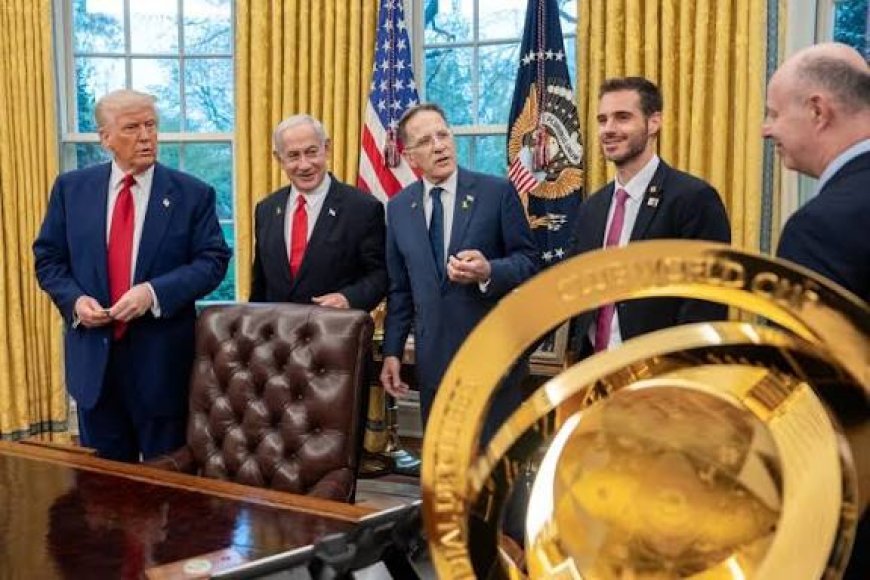
The session underscored a persistent reality of contemporary Middle Eastern diplomacy: the security doctrine of Israel and the strategic calculus of Washington remain deeply intertwined, even as both governments navigate domestic political pressures and an increasingly multipolar regional environment. Netanyahu’s emphasis on Israel’s security needs within the context of negotiations with Iran reflects not only a longstanding policy position but also a sharpened concern that diplomatic frameworks may be evolving faster than deterrence structures can adapt.
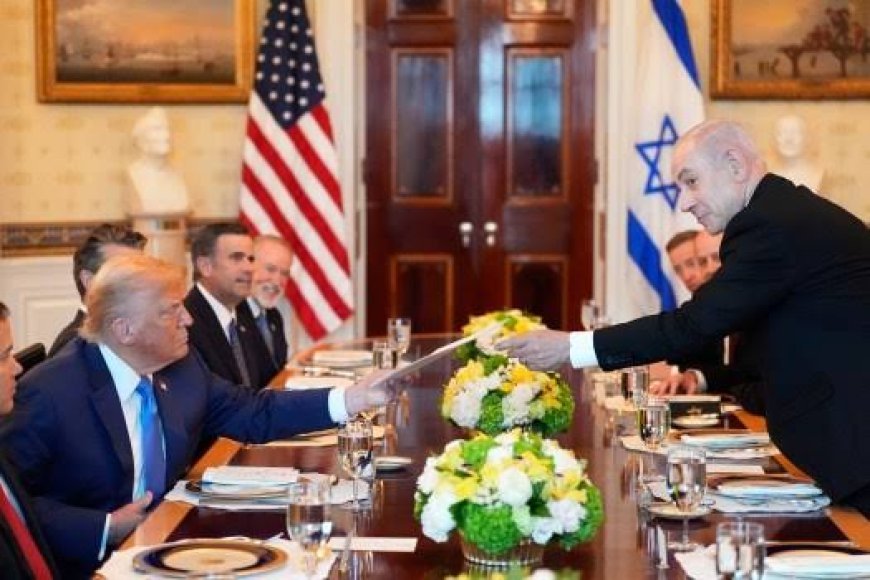
At the center of the dialogue sits the question of Iran’s regional posture and nuclear trajectory, an issue that has defined U.S.–Israel strategic coordination for more than a decade. While public statements framed the discussion in terms of negotiations, the underlying tension remains rooted in divergent risk assessments. Israel has consistently viewed diplomatic engagement with Tehran through a security-first lens that prioritizes enforceability and immediate threat containment, whereas American administrations, including Trump’s, have often balanced coercive pressure with negotiated frameworks aimed at broader regional stability. The White House meeting therefore signals an effort to maintain alignment at a time when diplomatic overtures toward Iran carry implications that extend beyond nuclear policy into proxy conflicts, energy markets, and alliance credibility.
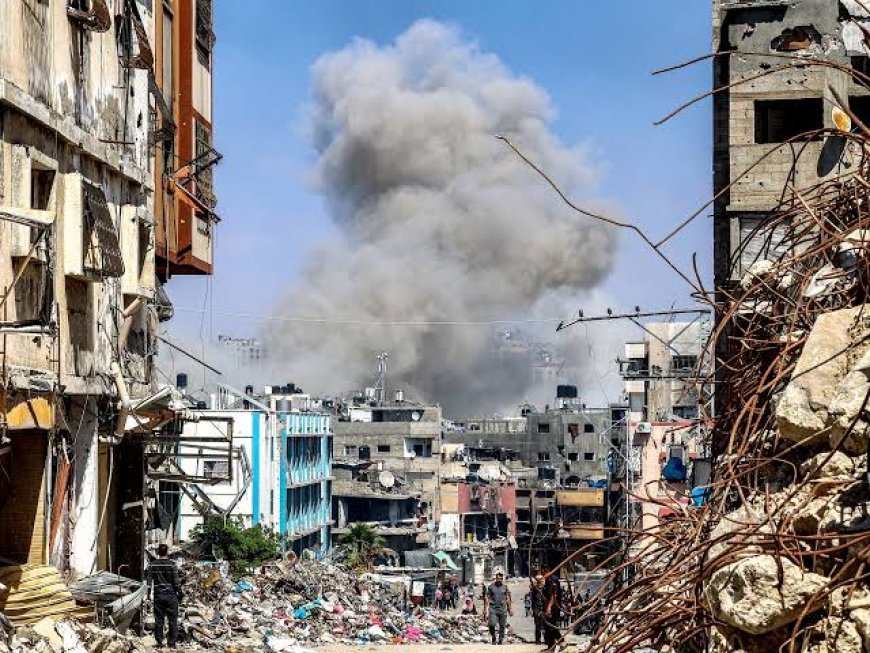
The Gaza war, meanwhile, represents the most immediate arena in which the consequences of U.S.–Israel coordination are being tested. The ongoing conflict has transformed from a localized military campaign into a focal point of international political contestation, reshaping global narratives about security, sovereignty, and humanitarian governance. Netanyahu’s articulation of Israel’s operational and security priorities during the meeting reflects the government’s determination to preserve strategic autonomy even as international scrutiny intensifies. For Washington, engagement with Israeli leadership on Gaza serves a dual function: reaffirming alliance commitments while attempting to manage the broader diplomatic fallout across allied capitals and regional partners.
Regional developments discussed in the meeting cannot be understood in isolation from the broader reconfiguration of Middle Eastern power relations. The erosion of traditional bloc politics, the emergence of pragmatic security partnerships among Gulf states, and the persistent influence of non-state actors have collectively produced a strategic environment defined less by binary alliances and more by overlapping spheres of influence. In this context, the reaffirmation of “continued coordination” between the United States and Israel signals a shared recognition that policy coherence remains a strategic asset in a region where misalignment can rapidly translate into escalation.
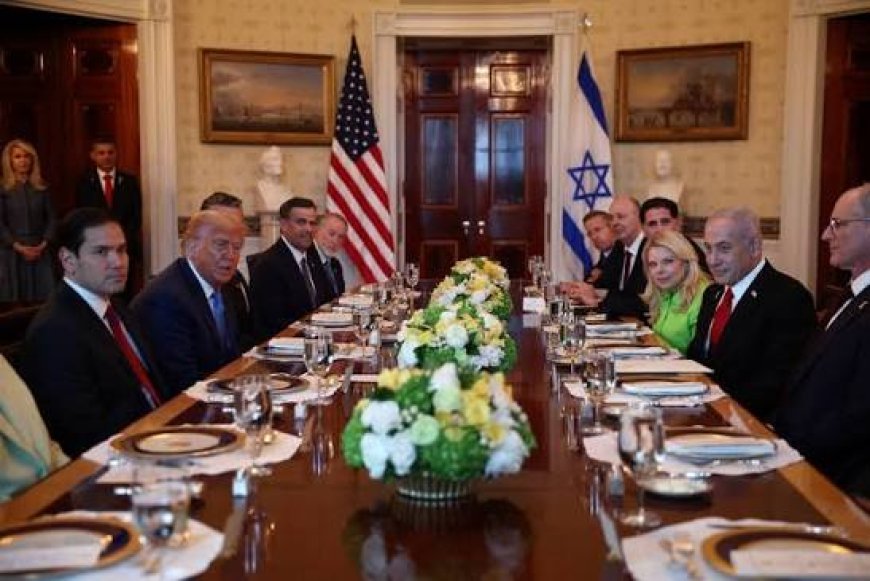
The meeting also reflects a deeper structural dimension of U.S.–Israel relations: the alliance functions not merely as a bilateral partnership but as a cornerstone of Washington’s broader regional architecture. For successive American administrations, engagement with Israeli leadership provides a mechanism for shaping deterrence dynamics across multiple theaters simultaneously, from the Eastern Mediterranean to the Persian Gulf. Netanyahu’s presence in Washington therefore carries symbolic weight beyond immediate policy discussions, reinforcing the perception of continuity in strategic cooperation even amid evolving domestic political landscapes in both countries.
Yet the optics of unity also coexist with underlying complexities. The emphasis on “close contact” between the two leaders points to a recognition that real-time coordination has become increasingly necessary in a region where military, diplomatic, and informational domains intersect with unprecedented speed. The rapid diffusion of conflict narratives through global media ecosystems has elevated the political stakes of every operational decision, turning bilateral consultations into instruments of narrative management as much as policy alignment.
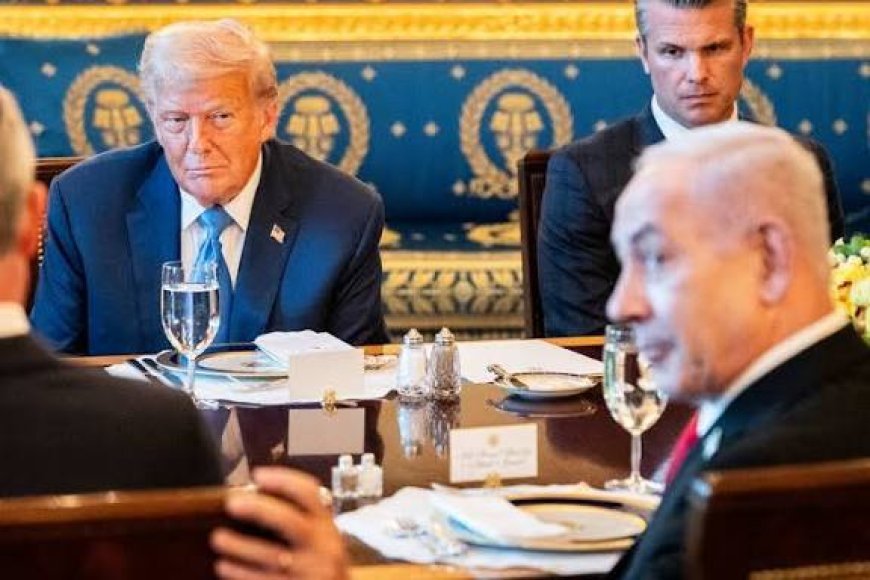
Economically, the implications of the meeting extend into energy markets and global trade stability. Any shift in the trajectory of Iran negotiations or escalation in Gaza carries potential consequences for oil supply routes, maritime security corridors, and investor confidence across emerging markets. By reinforcing channels of communication, Washington and Jerusalem aim not only to manage immediate security concerns but also to mitigate the ripple effects that regional instability can generate across the global economic system.
The broader significance of the White House encounter ultimately lies in its timing. The Middle East is undergoing a period of transition in which traditional deterrence models are being tested by hybrid conflicts, technological warfare capabilities, and shifting alliance frameworks. In such an environment, high-level diplomatic engagement functions less as a resolution mechanism and more as a stabilizing signal intended to preserve strategic predictability amid volatility.
For Netanyahu, the meeting reinforces Israel’s pursuit of security guarantees within a diplomatic landscape that remains fluid and contested. For Trump, it offers an opportunity to reaffirm American influence in a region where power projection increasingly requires both military credibility and diplomatic agility. For the international community, the encounter serves as a reminder that the trajectory of Middle Eastern stability continues to hinge on the interplay between negotiation and deterrence, coordination and autonomy, alliance and national interest.
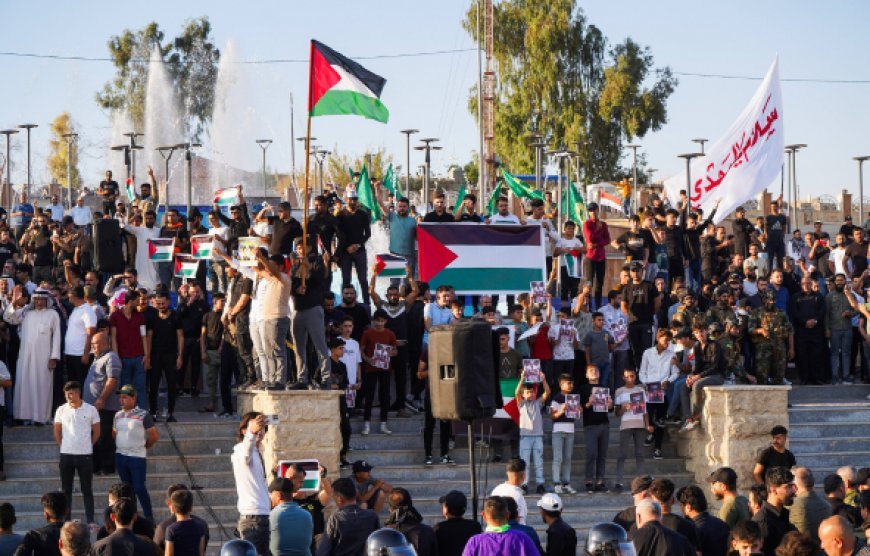
As negotiations with Iran proceed, the Gaza conflict evolves, and regional actors recalibrate their positions, the Washington meeting stands as a marker of continuity within change. It signals that despite shifting geopolitical currents, the U.S.–Israel strategic relationship remains a central axis around which regional security calculations continue to revolve. The enduring question is not whether coordination will persist, but how its form and consequences will shape the next phase of Middle Eastern power politics.
Advertisement