Trump’s “Board of Peace”: Global Ambition, Limited Buy-In
Donald Trump’s proposed “Board of Peace” aims to address global conflicts but faces skepticism from Western allies while attracting support from a smaller group of international leaders.
 Ronald
Advertisement
President Donald Trump’s proposed “Board of Peace,” a new international body intended to address global conflicts, is drawing mixed reactions as the administration attempts to build international support for the initiative.
Advertisement
Advertisement
Advertisement
Advertisement
Originally conceived as a limited mechanism to oversee reconstruction efforts in Gaza following years of conflict, the proposed board has evolved into a broader framework aimed at managing disputes worldwide. A draft charter circulated to invited countries outlines an expansive mission but makes no direct reference to Gaza, signaling a significant shift in scope.
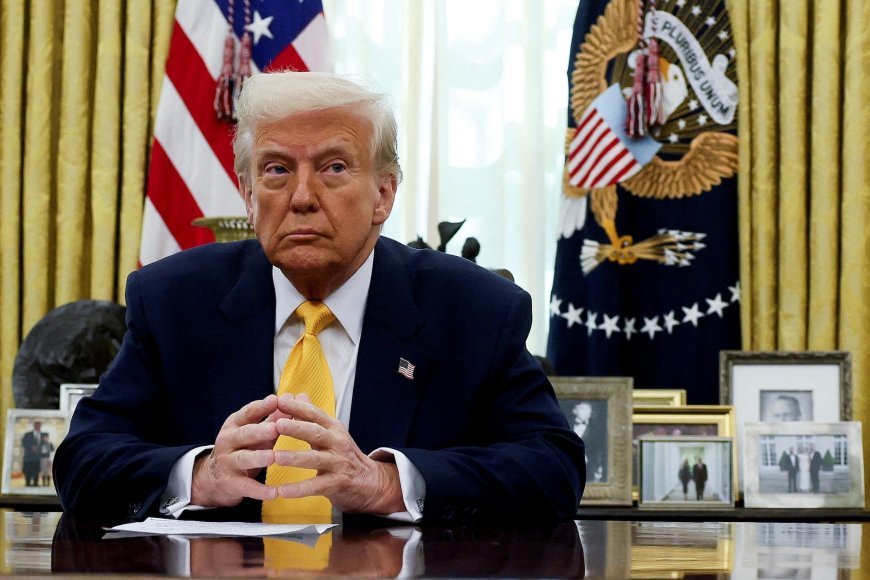
Trump has described the board as a potential new center of global conflict resolution and suggested it could eventually serve as an alternative to existing international institutions. The initiative would be chaired indefinitely by the U.S. president and offer permanent membership seats to participating countries willing to make substantial financial contributions.
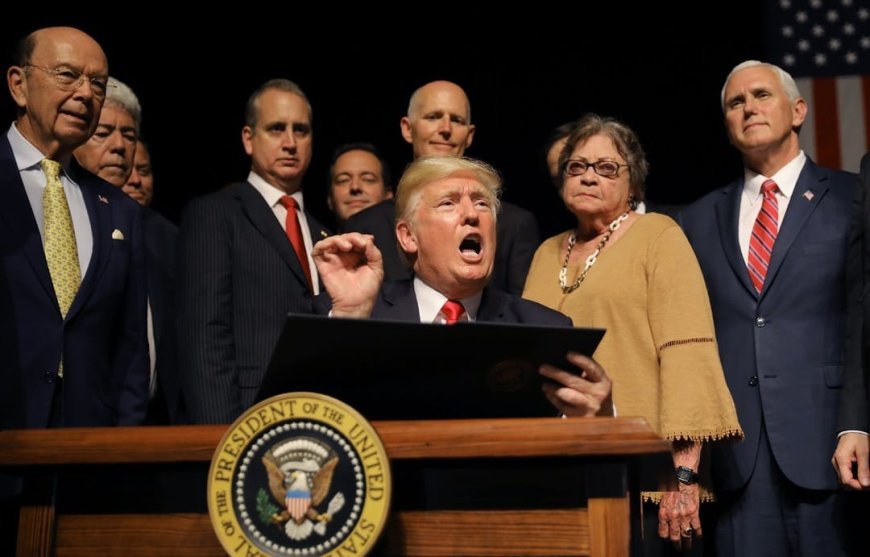
Invitations were extended to a wide range of governments, including U.S. allies, rival powers and leaders from across multiple regions. Countries spanning the Middle East, Asia, Europe and former Soviet states were approached, alongside religious and political figures. Russia, China and Belarus were among those invited, highlighting the administration’s willingness to engage both partners and adversaries under a single framework.
Despite the broad outreach, participation at an initial signing ceremony held alongside the World Economic Forum in Davos fell short of expectations. Fewer than 20 countries attended, with representation largely concentrated among Middle Eastern, Asian and South American states. Western European participation was minimal, with Hungary the only country from that region present
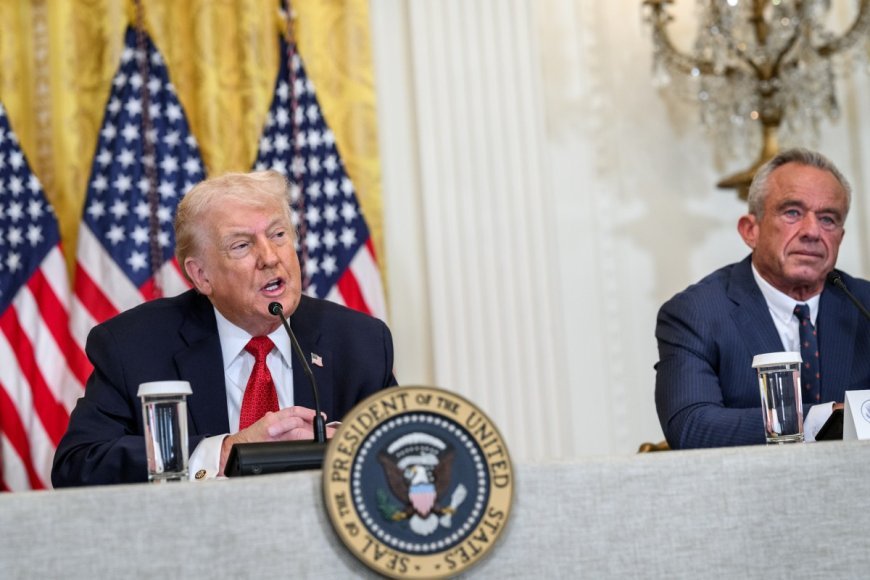
The absence of key European allies has underscored broader concerns about the board’s purpose, governance structure and potential overlap with existing international institutions. Critics have questioned both the feasibility of the initiative and the implications of creating a new global forum outside established diplomatic frameworks.
While the administration continues to promote the initiative as a new model for resolving international disputes, the limited early participation suggests the proposal faces significant diplomatic hurdles before it can emerge as a functioning global institution.
Advertisement