Poll Shows Growing Doubts Over Trump Energy Strategy as Democrats Gain Edge
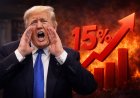
A new national poll suggests Americans increasingly question Trump’s energy strategy, with more voters believing Democrats are more committed to lowering household energy costs.
 Ronald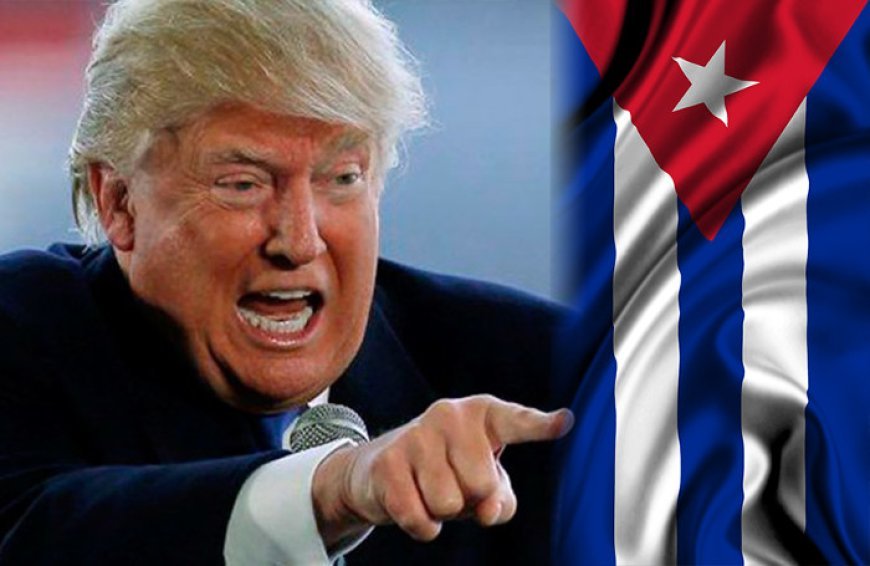
Advertisement
Public confidence in President Donald Trump’s ability to manage energy affordability is showing signs of erosion, according to new polling that indicates Democrats hold a modest advantage on the issue of rising household utility costs.
Advertisement
Advertisement
Advertisement
Advertisement
The survey found that 37 percent of US adults believe Democrats are more committed to protecting consumers from increases in natural gas, heating and electricity bills, compared with 25 percent who believe Republicans are more focused on lowering energy costs. While neither party commands majority trust, the shift represents a notable reversal from recent election cycles when Republicans traditionally held the advantage on fuel and economic concerns.
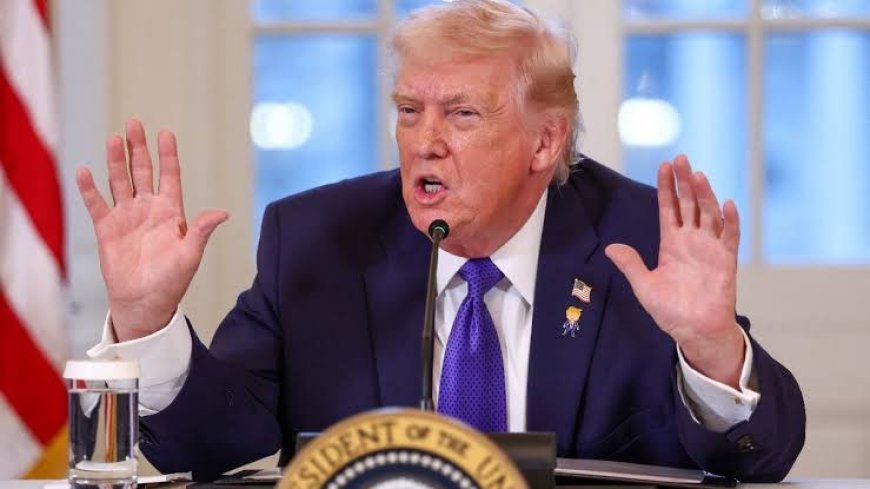
The findings come amid sustained increases in electricity prices nationwide. Residential power bills have risen sharply since early 2025, intensifying pressure on households and elevating affordability as a central political issue ahead of upcoming congressional elections.
Energy costs have historically posed political challenges for Democratic administrations, but current trends suggest the issue may now complicate Republican messaging. Analysts note that persistent price increases could threaten the GOP’s narrow majority in the House of Representatives if voter frustration continues to grow.
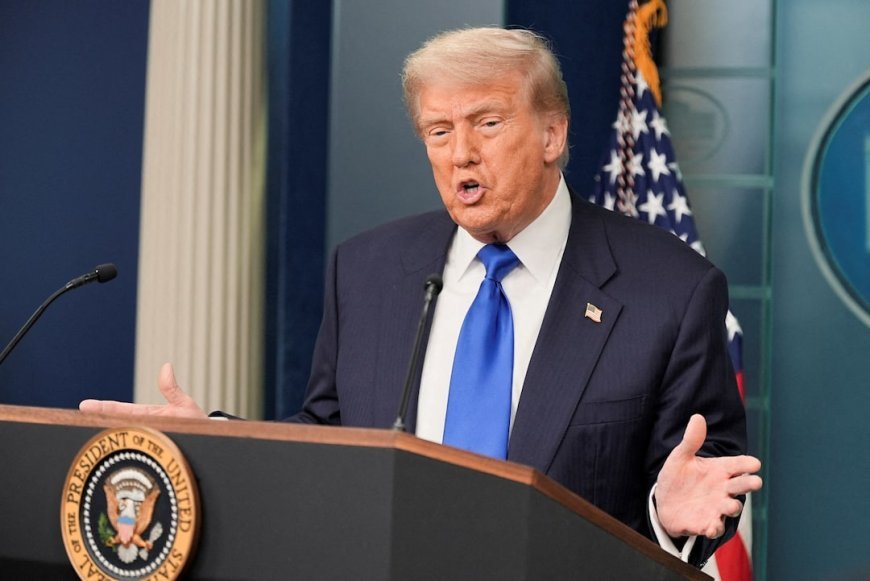
Despite criticism of Trump’s strategy, the polling indicates that voters remain unconvinced that either party has presented a clear and credible plan to address affordability. Political strategists say the issue remains fluid, with public opinion shaped by immediate cost pressures rather than long-term policy frameworks.
Democratic leaders have argued that restrictions on renewable energy expansion and changes to previous tax incentives have slowed the growth of new power generation, contributing to higher prices. Republican officials maintain that broader economic conditions and infrastructure constraints are the primary drivers of rising costs.
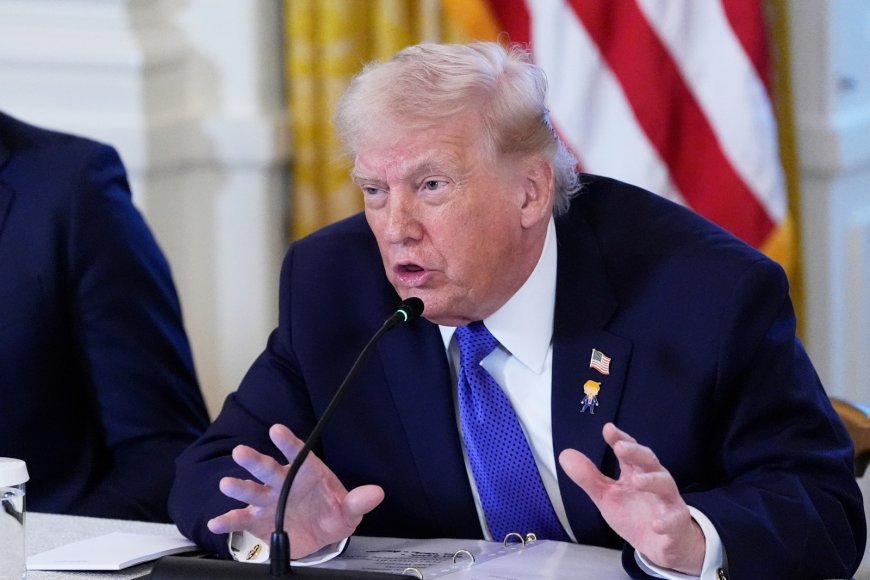
Energy market trends present a mixed picture. Gasoline prices have declined compared with last year, offering limited relief to consumers, while electricity demand is projected to continue increasing through the end of the decade amid rapid growth in power-intensive industries such as artificial intelligence data infrastructure.
The poll also highlights divisions within Trump’s political coalition. Strong supporters of the president remain confident in Republican energy policies, while more moderate voters express greater uncertainty about the administration’s approach to managing costs.
With affordability emerging as a defining issue for voters across party lines, the political impact of energy prices is expected to remain a central factor shaping the national debate in the months ahead.
Advertisement