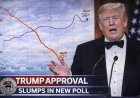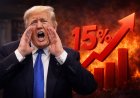
Supreme Court Limits Tariffs; Trump Finds Different Button, Raises Them To 15%
The Supreme Court curbs Trump’s tariff authority, prompting the president to call the ruling “anti-American” and raise global import duties to 15% using a different law. Legal limits meet creative interpretation.
 Filna
Filna 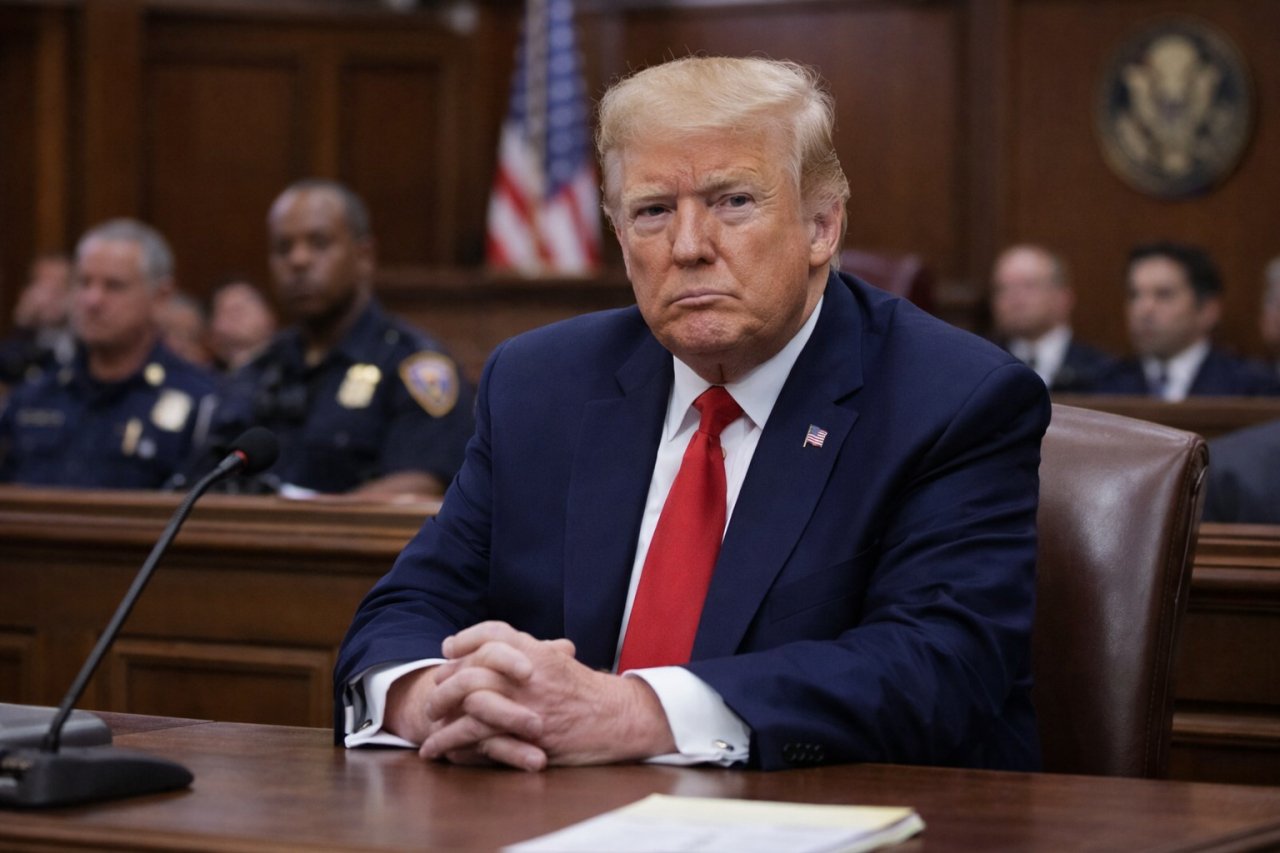
Advertisement
The Supreme Court ruled much of President Donald Trump’s tariff program illegal on Friday. On Saturday, the tariffs were larger.
Advertisement
Advertisement
Advertisement
Advertisement
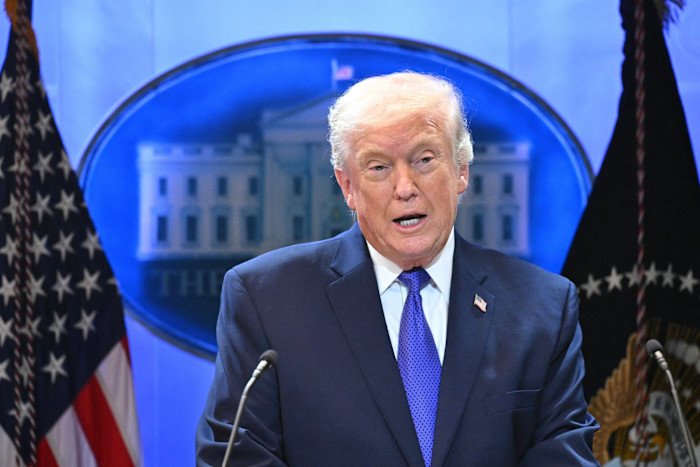
Calling the court’s 6-3 decision “extraordinarily anti-American,” Trump announced on Truth Social that global import duties would be raised to 15%, describing the new rate as “fully allowed” and “legally tested.” The message was simple: if one legal pathway closes, another opens — preferably with a higher percentage.
The high court had rejected Trump’s authority to impose sweeping tariffs under a 1977 economic emergency powers law, marking a significant check on executive authority. Within hours, the president pivoted to a different statute, initially announcing a 10% global levy before upgrading it to 15%.
The adjustment maintains the broader objective of Trump’s second-term economic agenda: aggressive tariff policy aimed at reshaping trade balances and incentivizing domestic production. The difference now lies not in intent, but in legal architecture.
In effect, the ruling clarified that certain tools could not be used.
The response clarified that others could.
Markets continue to interpret the evolving structure. Trade partners continue recalculating exposure. Legal scholars continue rereading statutes from the 1970s.
The administration characterizes the new 15% rate as compliant.
Critics describe the maneuver as evasive.
The Supreme Court delivered boundaries.
The president delivered an update.
Tariffs, it appears, remain under active development.
Advertisement