Trump’s Strategic Shift Casts Shadow Over Europe Ahead of Munich Security Conference
As Europe gathers in Munich, Trump’s security doctrine raises urgent questions about NATO, U.S. commitments, and the future of transatlantic stability.
 Ronald
Advertisement
As global security leaders convene for the Munich Security Conference, the gathering unfolds under the weight of a profound strategic uncertainty shaped by the evolving foreign policy doctrine of President Donald Trump. One year after a confrontational address by Vice President JD Vance stunned European officials by questioning the internal political trajectory of Western democracies, the transatlantic alliance faces a defining moment. What was once a predictable architecture of shared security has been recast as a negotiated relationship contingent upon shifting calculations of national interest, burden-sharing, and geopolitical leverage.
Advertisement
Advertisement
Advertisement
Advertisement
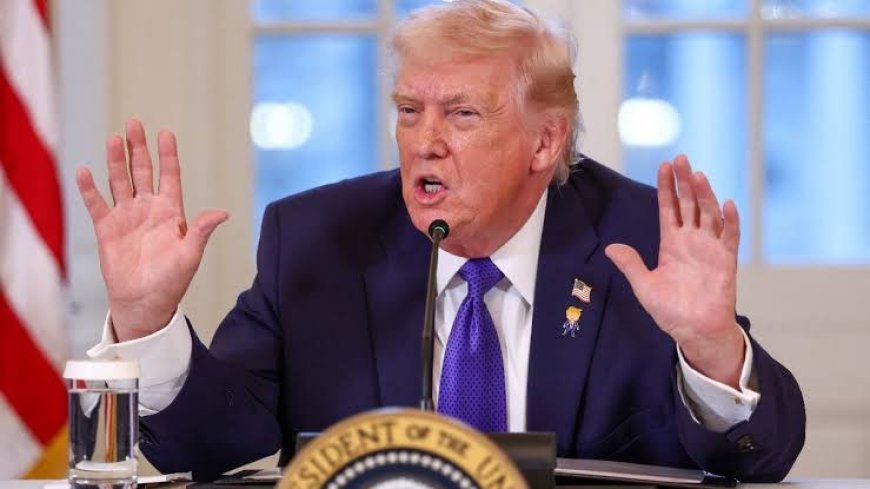
The Trump administration’s approach to Europe represents a departure from the strategic continuity that defined U.S. policy for much of the postwar era. For decades, American leadership within NATO rested on an implicit understanding: the United States would anchor collective defense in exchange for political alignment and economic partnership. That arrangement, though periodically contested, functioned as the structural foundation of European security. Trump’s doctrine challenges this premise by asserting that American commitments must be directly proportional to measurable contributions from allies, reframing security guarantees as conditional rather than automatic.
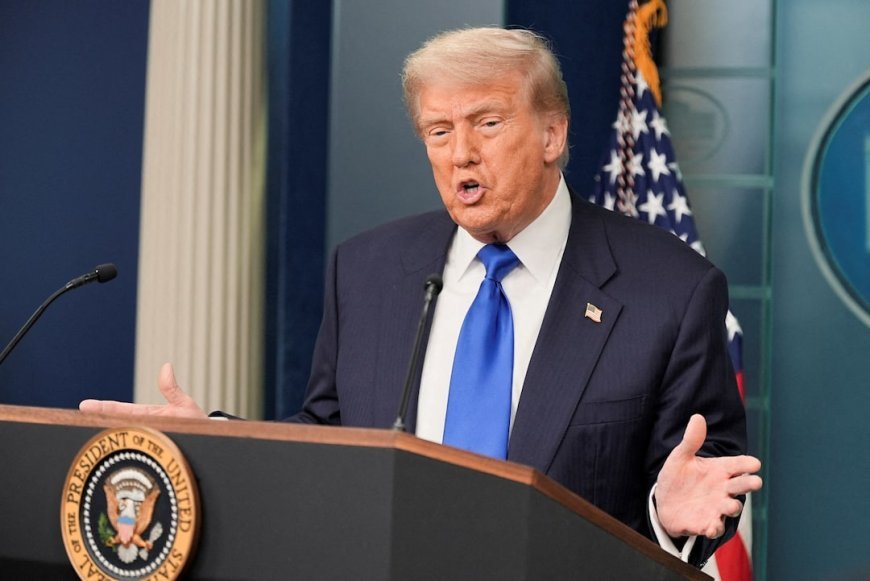
This recalibration is codified within Washington’s most recent National Security Strategy, which calls on European nations to assume primary responsibility for their own defense capabilities. While previous administrations urged increased defense spending among NATO members, the current formulation reflects a more fundamental philosophical shift. The United States is no longer positioned as the indispensable guarantor of European stability but as a partner whose engagement depends on strategic reciprocity. The distinction is consequential, as it alters the psychological framework through which deterrence operates. Security commitments function not only through material capability but through predictability; when predictability erodes, the calculus of both allies and adversaries adjusts accordingly.
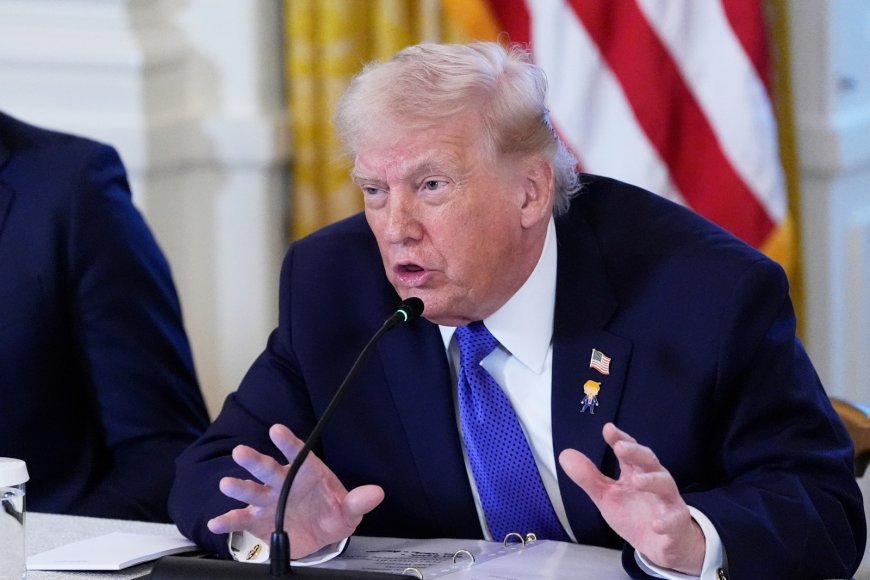
The strategic tension has been further amplified by the controversy surrounding Greenland, a self-governing territory within the Kingdom of Denmark and therefore part of the broader NATO security ecosystem. Trump’s repeated assertions that control of the island is essential to American and global security — coupled with suggestions that force could not be categorically excluded — introduced an unprecedented strain into alliance relations. Although immediate escalation has been avoided, the episode revealed a willingness to treat territorial arrangements within the alliance itself as subject to renegotiation. For European policymakers, the implications extend beyond a single dispute, raising questions about the durability of norms that have governed Western cooperation for generations.
Beneath the immediate controversies lies a deeper divergence in strategic worldview. The post-World War II transatlantic system was built upon three interlocking assumptions: that multilateral institutions enhance stability, that economic integration fosters peace, and that democratic governance constitutes both a moral commitment and a strategic asset. The Trump administration has openly challenged each of these premises. Multilateral frameworks are viewed with skepticism when they constrain national autonomy; economic interdependence is increasingly interpreted as vulnerability; and ideological alignment is treated as secondary to pragmatic power considerations. This transformation represents not merely a policy adjustment but a redefinition of how the United States conceptualizes global leadership.
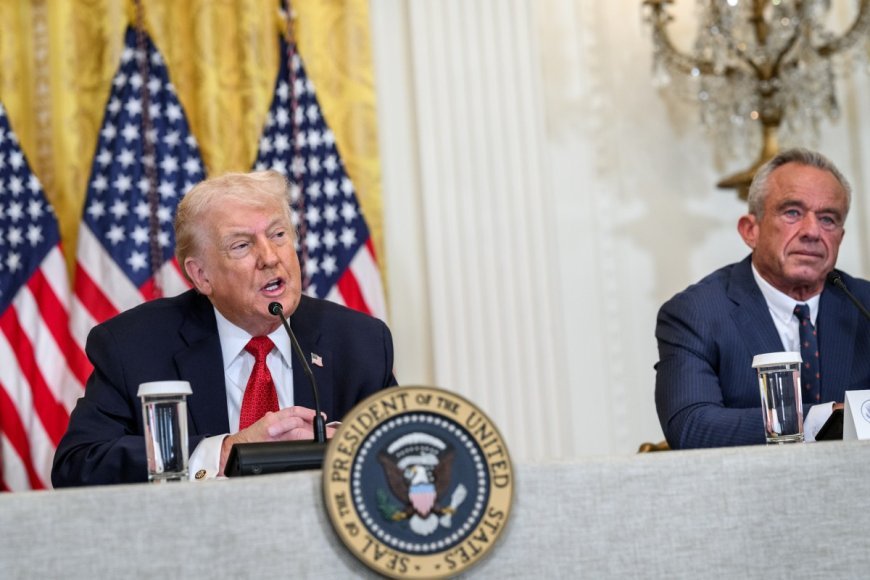
European responses to this shift reveal both anxiety and adaptation. Policymakers across the continent acknowledge the structural imbalance that long defined the alliance, in which American defense spending significantly exceeded that of most European partners. Calls for greater European strategic autonomy, once confined to academic and policy debates, have gained urgency as questions about American reliability move from theoretical speculation to operational concern. The debate is not solely about financial burden-sharing but about the capacity of Europe to function as a coherent security actor independent of external guarantees.
The stakes of this transformation become particularly evident when considering NATO’s foundational principle of collective defense. Article 5, which commits alliance members to mutual defense in the event of an attack, has historically functioned as both a legal provision and a psychological deterrent. Its credibility depends on the assumption that all members, especially the United States, would respond decisively to aggression against any ally. The emerging uncertainty surrounding American commitments introduces ambiguity into that deterrent structure, potentially altering strategic calculations in regions where tensions with Russia remain acute.
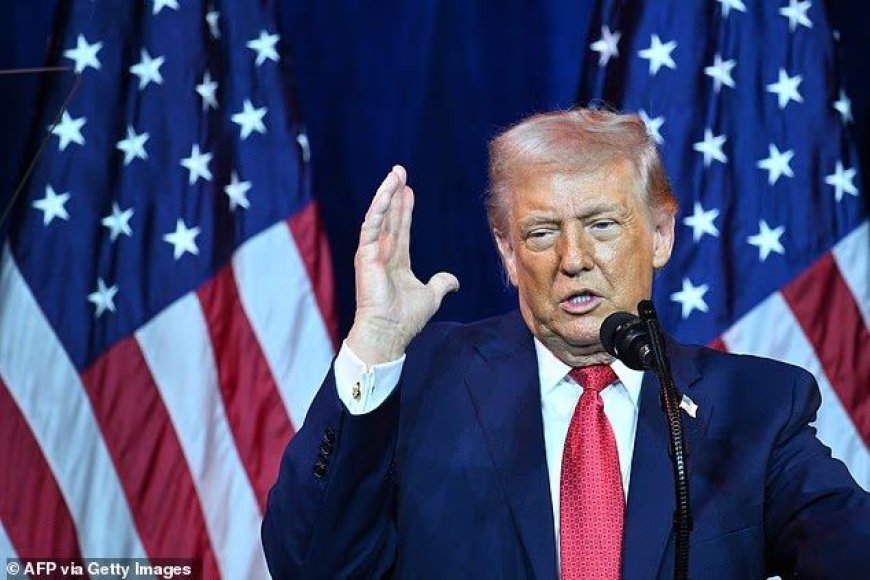
The geographic flashpoints often cited by security analysts illustrate the tangible implications of this uncertainty. Border regions such as Estonia’s eastern frontier or strategically sensitive corridors in the Baltic region embody scenarios in which the credibility of collective defense could be tested. Even hypothetical contingencies gain significance when alliance cohesion is perceived as negotiable. Deterrence relies not only on capability but on clarity of intent; ambiguity, in a climate of heightened geopolitical competition, can itself become a destabilizing factor.
The broader geopolitical environment compounds these concerns. Russia’s ongoing war in Ukraine continues to reshape Europe’s security landscape, while economic and political pressures within European societies challenge domestic cohesion. Simultaneously, the Trump administration’s willingness to engage adversaries on terms that diverge from European preferences has reinforced perceptions of strategic divergence. Differences over trade policy, migration governance, and the role of liberal democratic norms further deepen the sense that the United States and Europe are navigating distinct conceptual frameworks of order and stability.
Yet despite these tensions, the transatlantic alliance has not collapsed. Intelligence cooperation, military interoperability, and institutional linkages remain deeply embedded within the security architecture of both continents. Many analysts argue that the current moment represents not a rupture but a renegotiation of roles within a changing international system. The challenge for European leaders is to interpret the signals emanating from Washington not simply as episodic disruptions but as indicators of a structural transformation in American strategic identity.
The Munich Security Conference thus assumes a significance that extends beyond its traditional function as a forum for diplomatic dialogue. It has become a stage upon which competing visions of international order confront one another. For European governments, the central question is no longer whether the alliance will endure in its historical form but what shape it will assume in an era defined by strategic competition and recalibrated power relationships.
As delegates gather amid uncertainty, the conference symbolizes a transitional moment in the evolution of global security. The transatlantic relationship, once anchored in shared assumptions about governance, cooperation, and collective defense, is being reinterpreted through the lens of national interest and negotiated obligation. Whether this transformation produces a more balanced alliance or accelerates strategic fragmentation remains unresolved. What is clear is that Europe’s security environment is entering a period of profound adjustment, shaped in no small measure by a redefinition of American power and purpose on the world stage.
Advertisement