Democracy Placed On Hold As Strongmen Arrive For Trump’s Inaugural Board Of Peace
Democracy takes a back seat as leaders from authoritarian and military-run states arrive in Washington for Trump’s first Board of Peace meeting. Freedom House rankings paint a less-than-celebratory picture.
 Filna
Filna 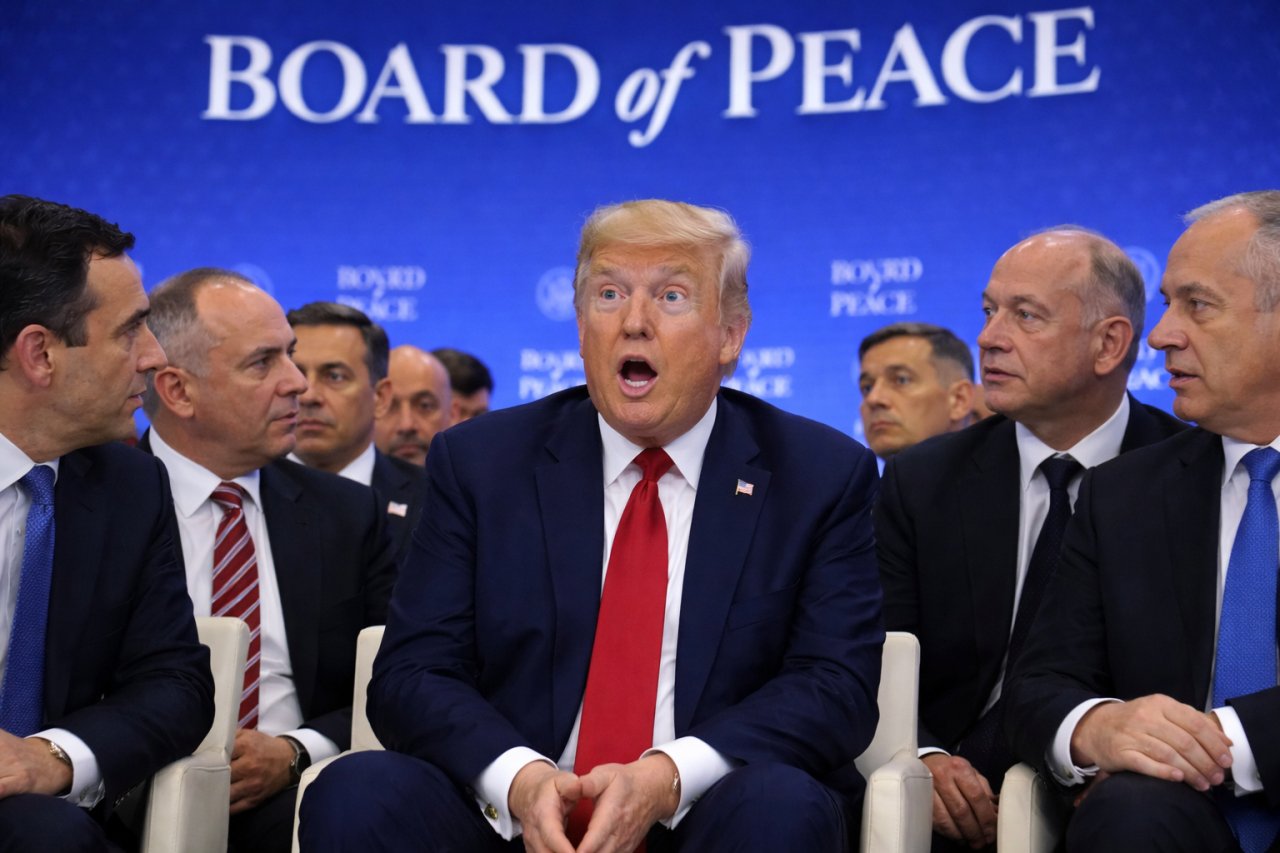
Advertisement
Democracy is reportedly taking a brief intermission as representatives from several authoritarian and military-run governments arrive in Washington for the inaugural meeting of President Donald Trump’s Board of Peace.
Advertisement
Advertisement
Advertisement
Advertisement
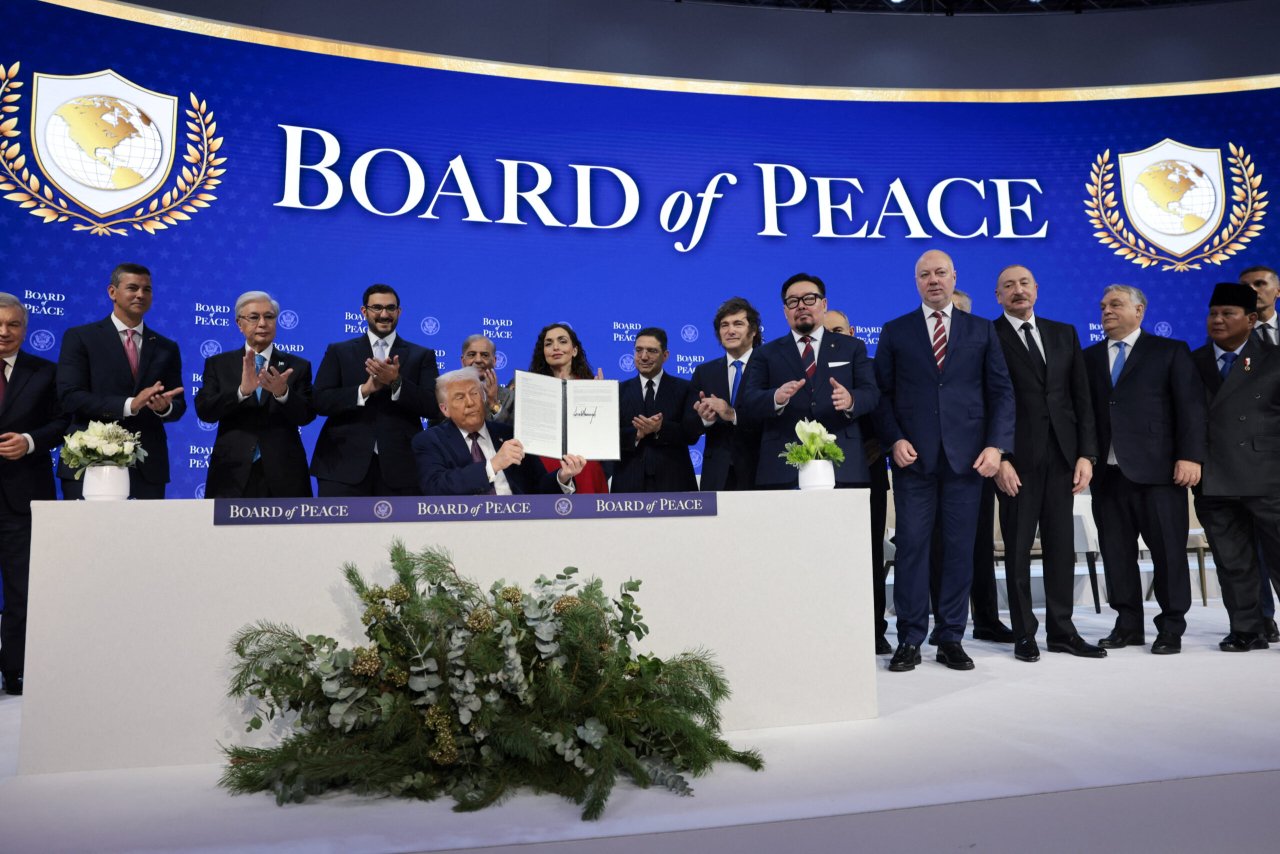
The guest list, according to confirmed attendees, includes leaders from countries that Freedom House consistently ranks low on political rights and civil liberties. While the Board of Peace is marketed as a mechanism for conflict resolution, the attendance roster suggests that experience in centralized control may also be considered relevant expertise.
Egypt stands out among the participants. The latest Freedom House report describes the country’s rights environment as tightly restricted, citing limitations on civil liberties and press freedoms. It notes that security forces engage in abuses with impunity and that meaningful political opposition is virtually nonexistent.
President Abdel Fattah al-Sisi, who took power in a 2013 military coup, is described by the report as governing in an increasingly authoritarian manner. Expressions of dissent, according to the watchdog organization, can result in criminal prosecution and imprisonment.
Other attending nations reportedly range from military regimes to governments that have demonstrated flexible interpretations of democratic norms. Some appear eager to strengthen ties with Washington. Others may simply prefer proximity to power.
The broader ambition of the Board of Peace is to serve as a mediator of global conflicts, potentially expanding beyond its initial focus. That mission now begins with a coalition of leaders who, at home, preside over environments where political competition is limited and dissent is carefully managed.
Freedom House rankings provide a comparative lens, measuring countries on electoral integrity, civil liberties, and political rights. Several founding members of the board score poorly on those metrics.
The optics are difficult to ignore:
A peace initiative.
A capital city.
A guest list featuring leaders accustomed to governing without much opposition.
Diplomacy will proceed.
Debate, in some participating countries, may not.
For now, Washington hosts the conversation.
Democracy, observers note, remains available — depending on the country of origin.
Advertisement