Trump’s Greenland Push Shakes Europe Despite Strategic Pullback
Donald Trump’s push for U.S. control over Greenland rattled European allies, deepening distrust even as Washington appears to step back from outright ownership.
 Ronald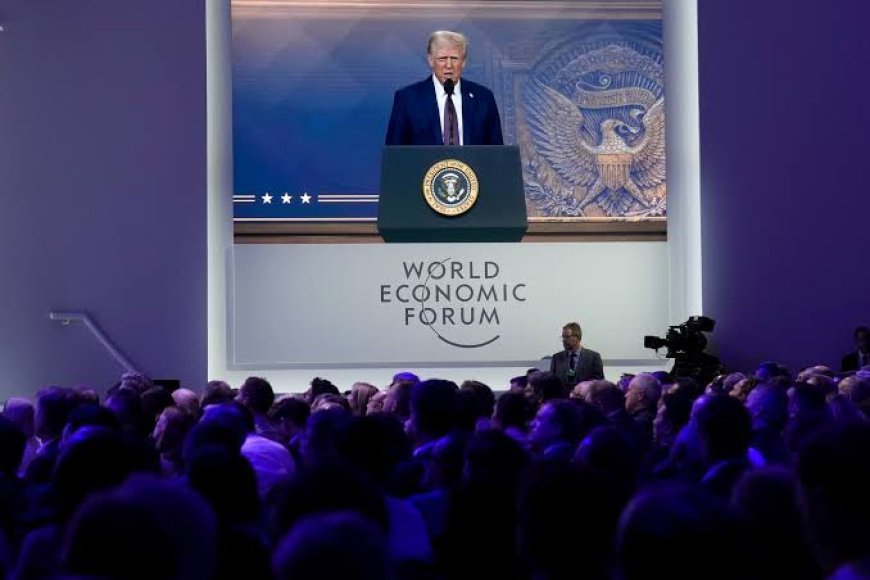
Advertisement
President Donald Trump departed the World Economic Forum in Davos declaring success, but across Europe the outcome was viewed less as a victory and more as a warning sign of strained alliances.
Advertisement
Advertisement
Advertisement
Advertisement
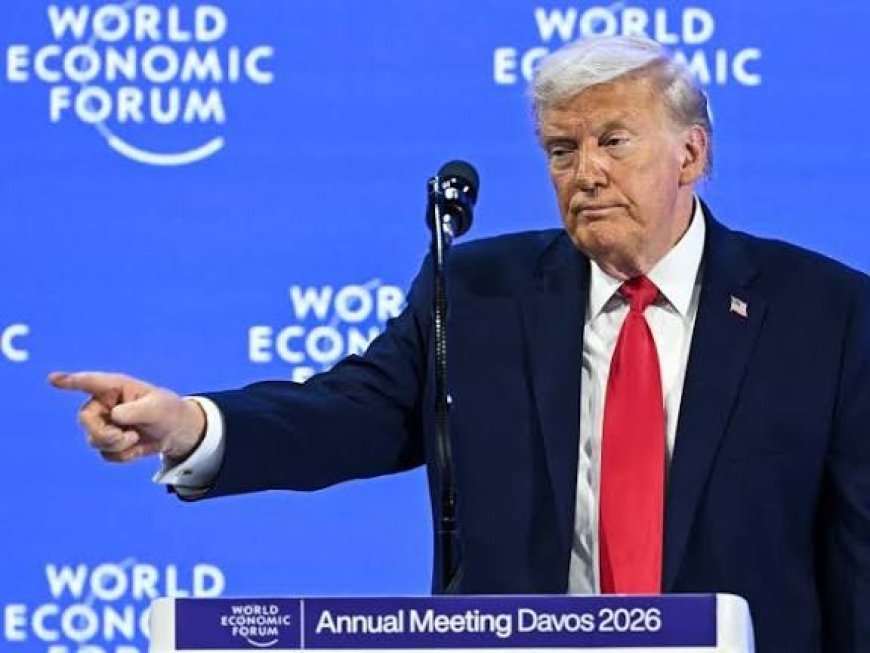
During his remarks, Trump reiterated that the United States needs Greenland for strategic security, though his position appeared to shift from outright ownership toward expanded U.S. military access and presence on the Danish territory.
Speaking after the conference, Trump framed the outcome as a win, suggesting Washington secured the strategic access it sought. But European officials and analysts say the broader impact has been a loss of trust that could outlast any immediate policy adjustments.
Diplomats described the episode as a destabilizing moment for transatlantic relations, arguing that the aggressive opening demand created tensions within NATO that were unnecessary given existing security arrangements.
Danish officials privately indicated that expanded cooperation on defense infrastructure had always been negotiable. The one condition Copenhagen considered nonnegotiable was sovereignty over Greenland, which remains an autonomous territory within the Kingdom of Denmark.
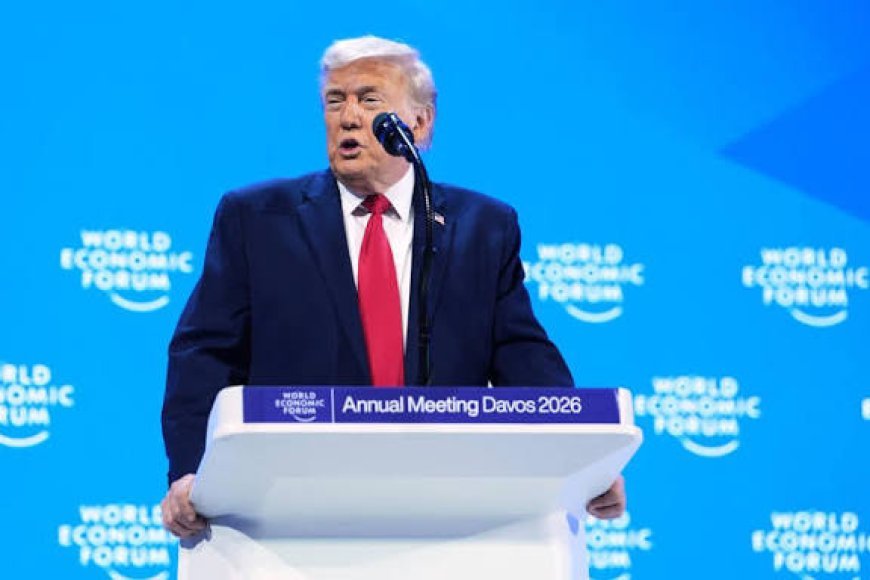
Trump’s rhetoric, even as it softened, fueled concern among European governments that long-standing security partnerships could be subject to sudden political pressure.
Analysts warn the episode may reshape how European allies assess U.S. commitments, particularly within NATO, where mutual trust is central to collective defense.
While Washington appears to have stepped back from annexation ambitions, the diplomatic aftershocks continue to ripple across European capitals, reinforcing fears that the transatlantic alliance is entering a more uncertain era.
Advertisement