Greenland Rift Deepens as Trump Comments Stir NATO Tensions at Davos
President Trump’s shifting stance on Greenland and military posture in Europe has unsettled allies, raising concerns about NATO trust and the stability of the postwar international order.
 Ronald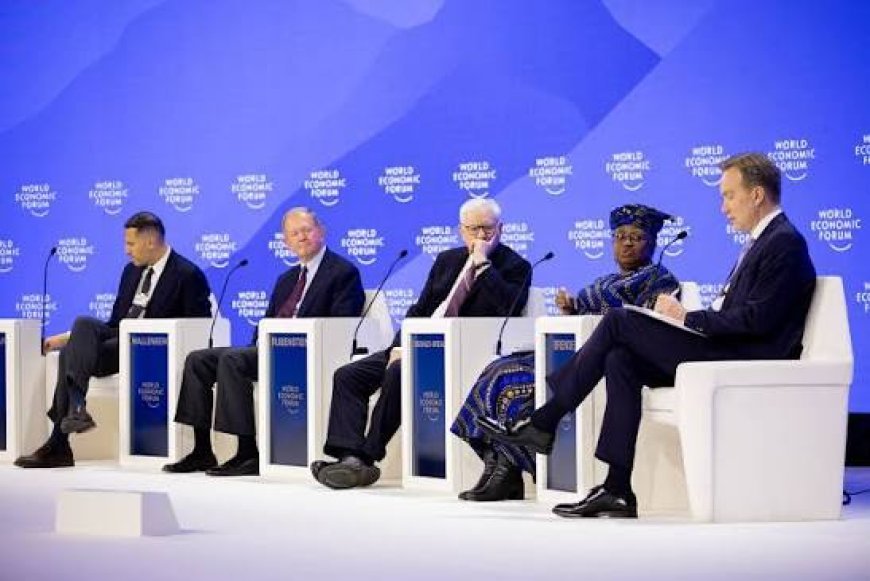
Advertisement
President Donald Trump’s comments on Greenland and U.S. military posture in Europe have stirred diplomatic concern among allies, even as his reassurances against the use of force temporarily eased market volatility.
Advertisement
Advertisement
Advertisement
Advertisement
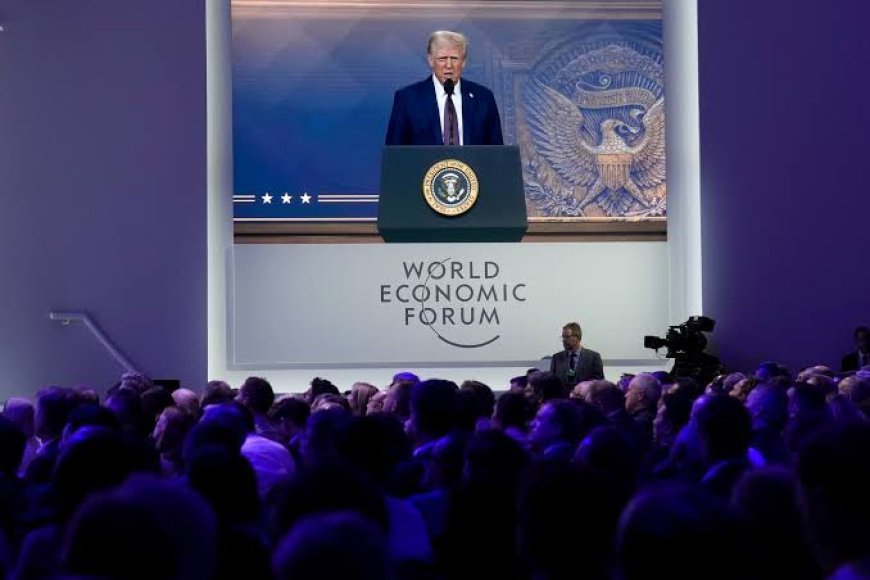
According to a U.S. official speaking anonymously, existing agreements could allow expanded American military presence in the region if requested by allies. Trump also signaled he would not pursue tariffs against Europe as leverage tied to Greenland, a move that helped calm financial markets.
Despite those reassurances, diplomats and analysts say the episode has strained trust within the NATO alliance. Senator Lisa Murkowski, who attended the World Economic Forum in Davos, warned that longstanding international relationships appeared to be under pressure amid the controversy.
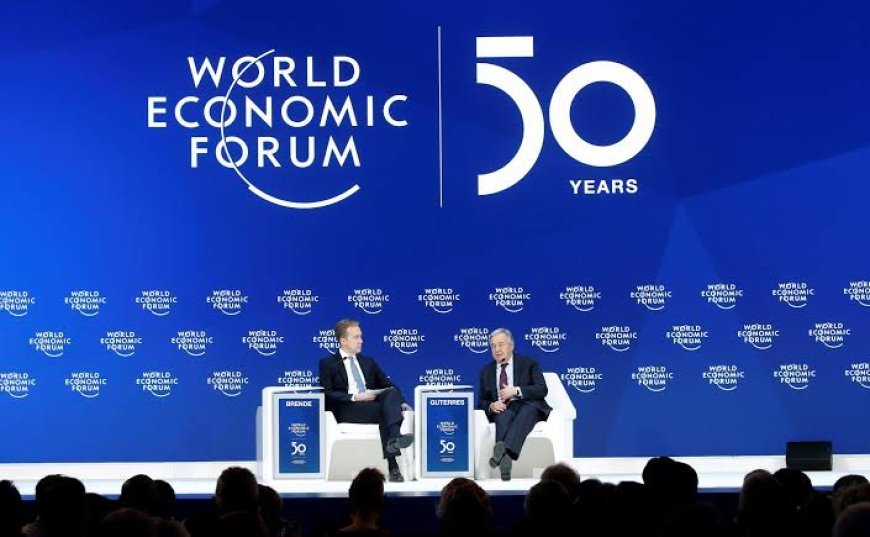
Foreign policy experts argue that the broader implications extend beyond a single territorial dispute. Analysts say proposals touching on the sovereignty of allied territory risk weakening the shared values framework that has underpinned NATO since World War II.
European leaders echoed those concerns at Davos. Canada’s prime minister described global relations as undergoing a structural rupture, while Germany’s chancellor warned that the postwar international system based on law and cooperation is facing profound strain.
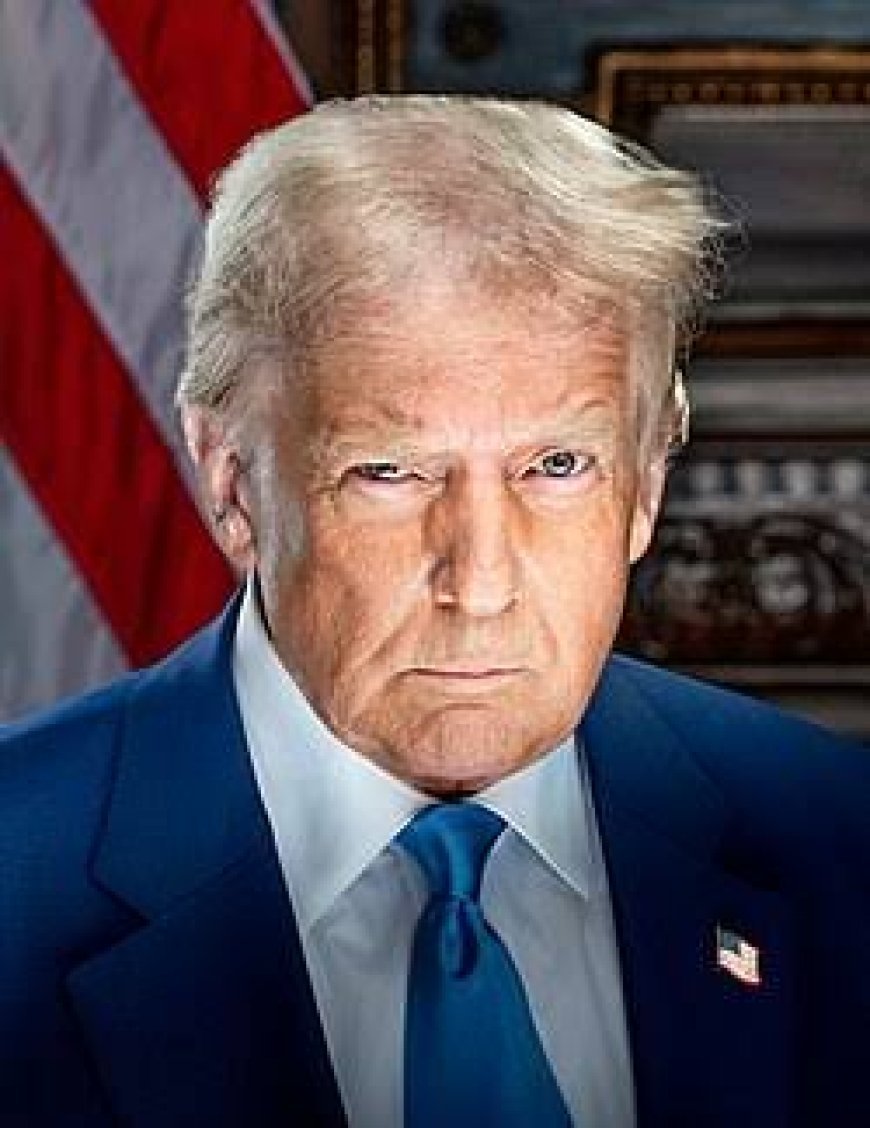
Trump’s messaging on Greenland shifted repeatedly during the forum. While he initially declined to rule out aggressive measures and publicly insisted the United States required ownership of the territory, he later signaled openness to a negotiated framework following discussions with NATO leadership.
Public reaction in Europe reflected unease. Demonstrations in Copenhagen drew thousands of protesters opposing the prospect of U.S. control over Greenland, underscoring political sensitivities surrounding sovereignty and alliance unity.
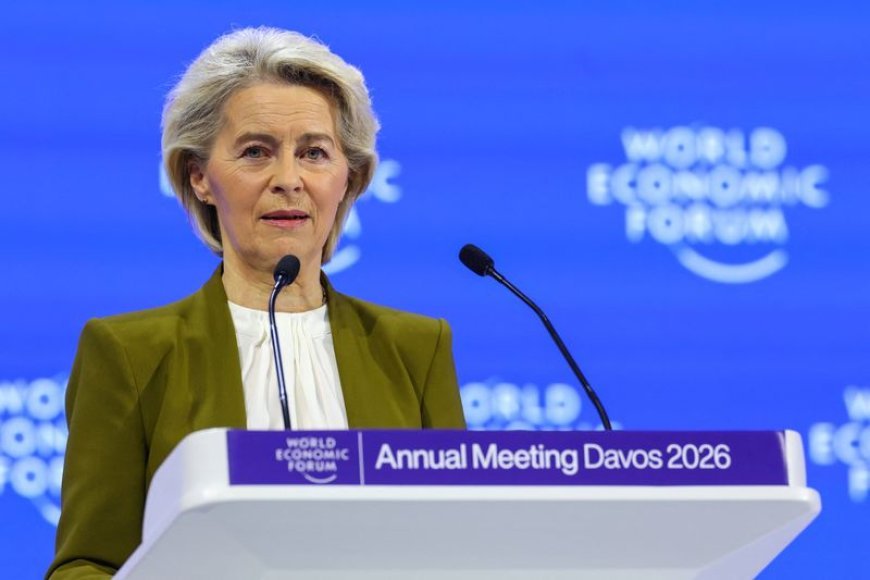
Policy observers say the episode illustrates broader tensions reshaping global power dynamics. Analysts warn that uncertainty surrounding U.S. commitments may encourage strategic competitors and accelerate shifts in alliance structures.
The controversy unfolds as lawmakers in Washington continue oversight hearings on administration policy decisions, including testimony from Attorney General Pam Bondi before Congress.
Advertisement