Trump’s Greenland Pivot Wasn’t Sudden — It Was Forced by Pressure at Home
Donald Trump’s softened stance on Greenland followed intense domestic resistance, market backlash, and political warnings, revealing how internal pressure reshaped a global power play.
 Ronald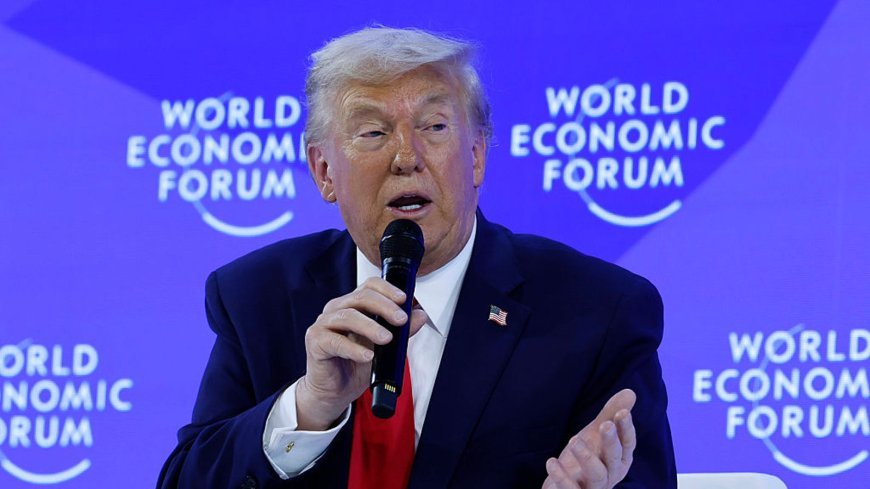
Advertisement
For weeks, Greenland occupied an unusually prominent place in Donald Trump’s political imagination, surfacing repeatedly in speeches, interviews, and off-the-cuff remarks that left allies uneasy and critics alarmed, particularly when he refused to rule out the use of force, a line that instantly transformed what might have been dismissed as diplomatic eccentricity into a serious political liability at home.
Advertisement
Advertisement
Advertisement
Advertisement
The shift came abruptly, at least on the surface, when Donald Trump, following a meeting with NATO Secretary-General Mark Rutte, announced that the United States had reached what he described as a “concept” or “framework” for a deal involving Greenland, a reframing that was quickly amplified through his Truth Social account, where he promised that the arrangement would be “great” not only for America but for all NATO nations as well.
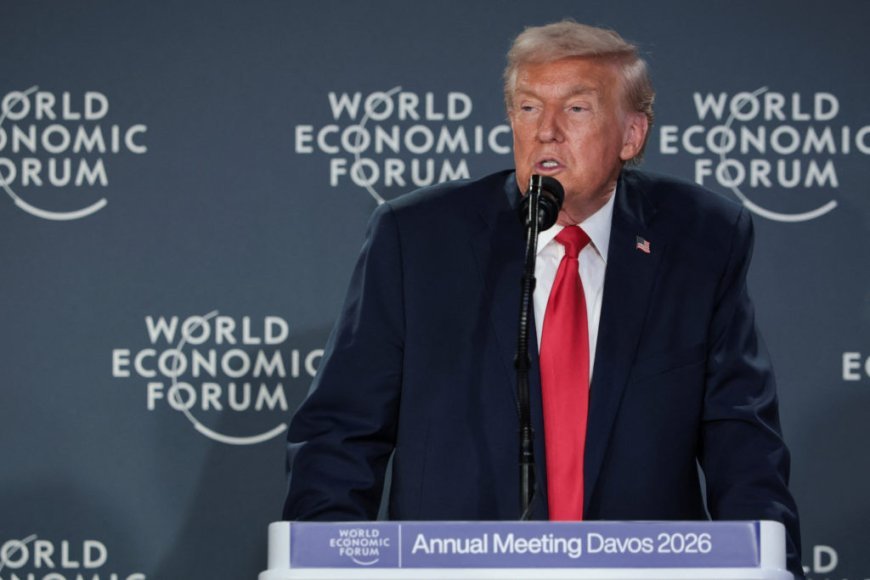
But this apparent moderation did not emerge in a vacuum, because behind the scenes, pressure had been building rapidly and from multiple directions, turning the Greenland rhetoric from a show of strength into a potential domestic crisis that the White House could no longer ignore.
On Capitol Hill, even traditionally loyal Republican senators began drawing firm lines, openly warning that the use of military force to seize Greenland could cross into impeachable territory, a rare moment of intra-party resistance that signaled how politically toxic the idea had become once it moved from theoretical bravado to practical possibility.
At the same time, financial markets reacted sharply to Trump’s threatened tariffs against European nations that voiced support for Denmark and Greenland, with the U.S. stock market sliding significantly within a single trading cycle, a jolt that underscored how quickly foreign-policy brinkmanship can ripple into domestic economic anxiety, especially when trade wars appear to be reignited without a clear endgame.
Public opinion offered little refuge, because polls and early reactions suggested that the American electorate had no appetite for a territorial confrontation in the Arctic, particularly one framed around acquisition rather than security, leaving Trump boxed in by a rare alignment of political, economic, and public resistance.
It is within this context that the sudden reassurance — no military action, no immediate tariffs, negotiations instead — begins to look less like a voluntary diplomatic evolution and more like a tactical retreat designed to defuse pressure while preserving authority, a maneuver Trump has executed repeatedly throughout his political career.
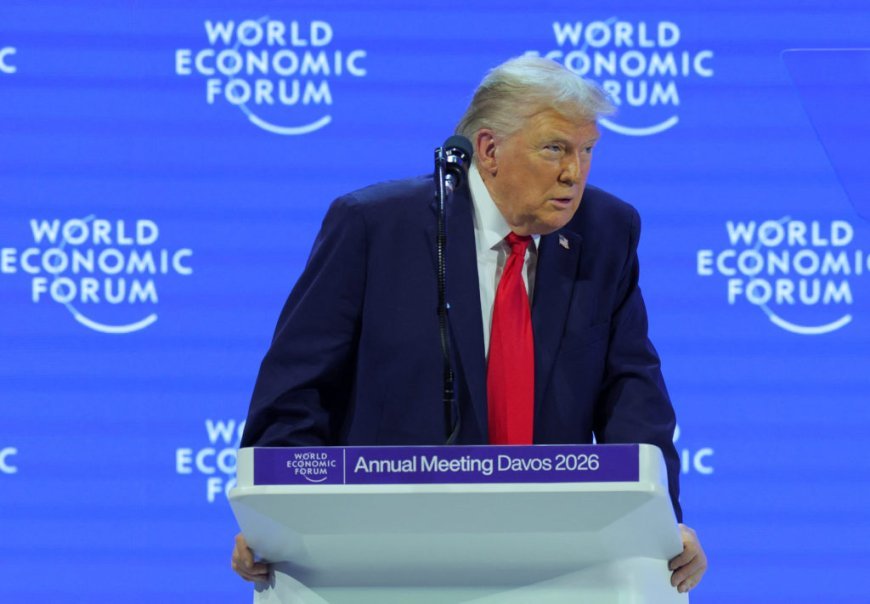
His insistence that details would come “later” fits the pattern, allowing him to step back from the edge without conceding error, maintaining the image of control while postponing scrutiny, a strategy that calms markets, reassures lawmakers, and buys time without abandoning the underlying claim that Greenland remains strategically important to U.S. interests.
What this episode ultimately reveals is not indecision, but constraint, because even a president known for testing boundaries eventually encounters limits imposed by institutions, markets, and public sentiment, and when those forces converge, rhetoric gives way to recalibration.
The Greenland pivot, then, is less about a sudden change of heart and more about the quiet power of domestic pushback, reminding Washington and the world that while foreign policy is often projected outward, its sharpest consequences, and its strongest brakes, still reside at home.
Advertisement