From Close Ties to “Oops”: Barak’s Epstein Realization Finally Drops
Former Israeli prime minister Ehud Barak says he regrets his long association with Jeffrey Epstein as newly released files intensify questions about accountability among global elites.
 Ronald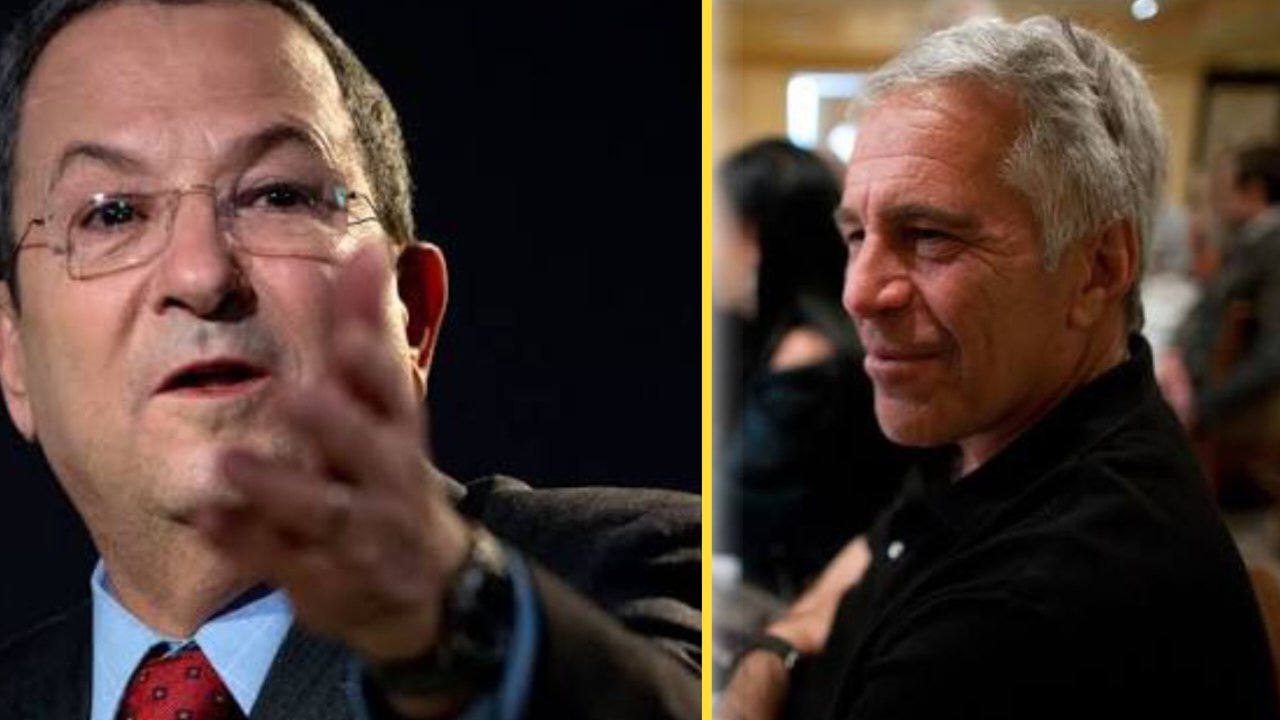
Advertisement
Oh No, Consequences: Ehud Barak Says Epstein Friendship Was Maybe Not Ideal
Advertisement
Advertisement
Advertisement
Advertisement
It turns out that maintaining a 15-year relationship with a convicted sex offender can age poorly. Former Israeli prime minister Ehud Barak has now announced that, in hindsight, knowing Jeffrey Epstein was not among his better life choices — a revelation arriving only after millions of documents about Epstein’s network became public.
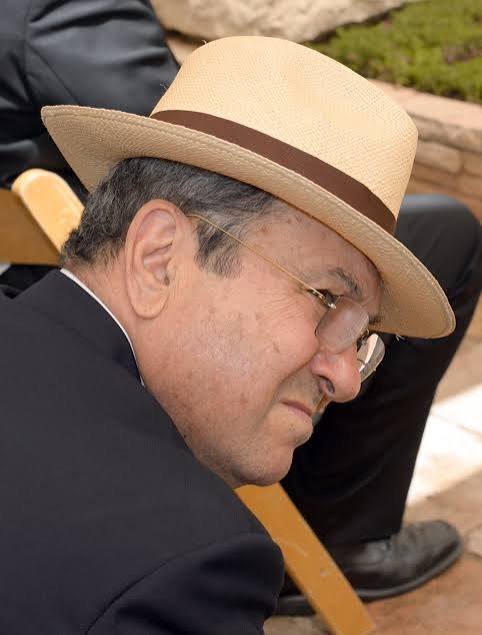
Speaking to Channel 12, Barak expressed regret that he did not investigate Epstein more thoroughly. He emphasized personal responsibility while also gently suggesting that nobody really knew anything — a defense that grows more impressive the longer it is repeated.
Barak said he was introduced to Epstein in 2003 by Shimon Peres at an event in Washington, and that despite Epstein’s 2008 conviction for procuring a minor for prostitution, he remained unaware of the scale of Epstein’s crimes until 2019. This, despite continuing social and business contact for years afterward — a timeline that critics have described as “chronologically inconvenient.”
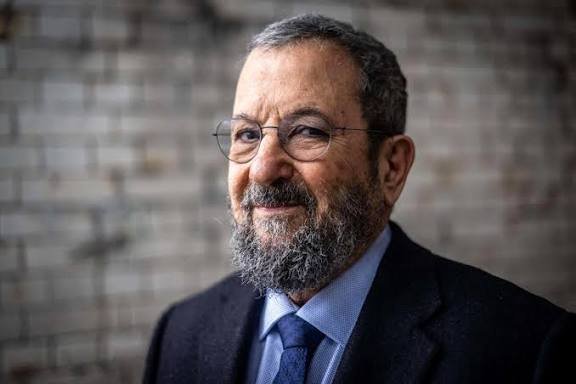
According to Barak, his visits to Epstein’s properties were uneventful. He acknowledged staying at Epstein’s Manhattan residence multiple times between 2015 and 2019 and confirmed a single daytime visit to Little Saint James, Epstein’s private island. The visit, he said, lasted about three hours and included his wife and security personnel — circumstances that, he suggested, would naturally preclude anything suspicious from occurring.
Barak also explained that, at the time, Epstein was widely treated as someone who had “paid his debt to society,” a framing that critics note was not universally shared outside elite social circles.
The renewed scrutiny follows a major release of documents by the United States Department of Justice, which detail Epstein’s extensive connections with political, financial, and philanthropic figures worldwide. Among other revelations, the files outline Epstein’s funding ties to Israeli organizations and document his interactions with members of global political and intelligence networks.
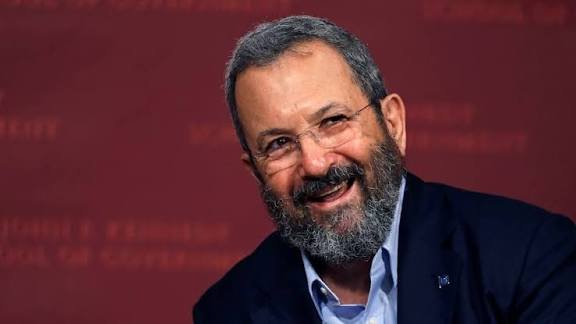
Barak’s statement places him among a growing list of public figures who now regret their association with Epstein — a sentiment that has become notably more common since the documentary record expanded.
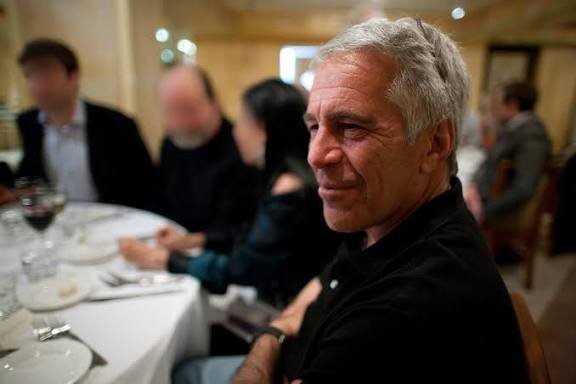
Epstein died in federal custody in 2019 while awaiting trial on sex-trafficking charges, bringing an abrupt end to the man himself but not to the reputational aftershocks still moving through international political circles.
In summary: a long-standing relationship, years of proximity, and only now — with documents circulating globally — a firm conclusion that perhaps this was not the wisest professional association. History, once again, proving extremely unfair to hindsight.
Advertisement