U.S. Dollar Informed It’s Outdated As Trump Family Unveils ‘Upgraded’ Version At Mar-a-Lago
The U.S. dollar, unchanged since 1792, is reportedly due for an upgrade as the Trump family promotes USD1, a stablecoin pegged to the dollar and marketed as “The Dollar. Upgraded.” Launch event held at Mar-a-Lago.
 Filna
Filna 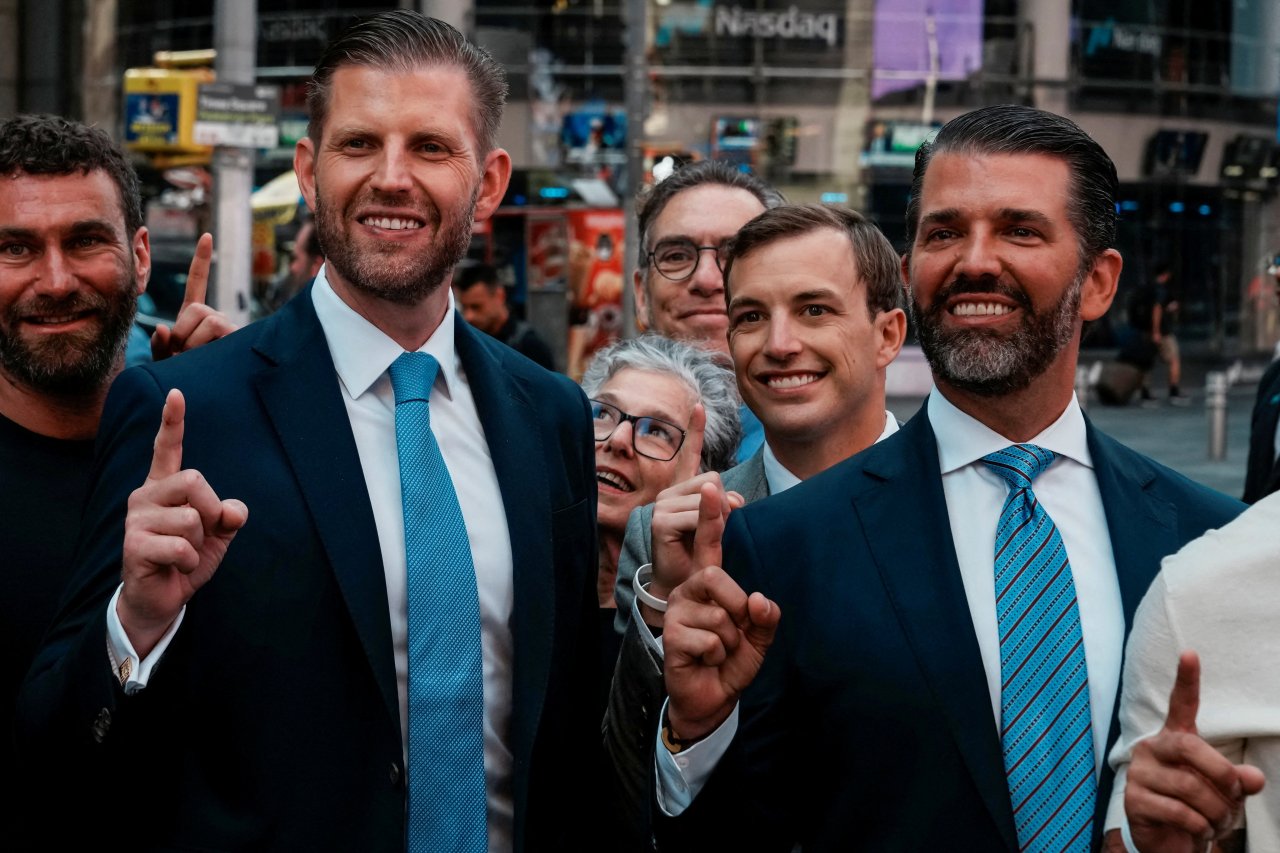
Advertisement
The U.S. dollar, which has managed to survive since 1792 without a software update, has reportedly been informed that it requires modernization — and that the appropriate technicians are the president’s sons.
Advertisement
Advertisement
Advertisement
Advertisement
For more than two centuries, the United States government has maintained a comfortable monopoly over issuing currency. Presidents occasionally reiterated a “strong dollar” policy, but rarely suggested replacing it with something available via download.
That tradition shifted last March when World Liberty Financial, a company partly owned by President Donald Trump and his family, began marketing a cryptocurrency called USD1. The stablecoin is pegged to the U.S. dollar and promoted as “The Dollar. Upgraded.” The message is subtle: same dollar, new management.
On Wednesday, at the World Liberty Forum hosted at Mar-a-Lago, the president’s two eldest sons explained why the national currency might benefit from private-sector refinement. From a ballroom stage beneath a large golden eagle sculpture, speakers described USD1 as a modern solution designed to help maintain the dollar’s global dominance in the digital age.
The coin’s value tracks the dollar itself — much as the original dollar was once pegged to the Spanish silver dollar. The difference is that this time, the upgrade arrives with branding.
Backers argue that USD1 is not a threat to official U.S. currency but a reinforcement of it. By creating structural demand for U.S. government debt through stablecoin reserves, they say, the innovation could benefit taxpayers while modernizing finance.
The event drew financiers, technologists, television personalities, FIFA’s president, and artist Nicki Minaj — a gathering suggesting that monetary policy has entered its networking era.
The broader argument presented at Mar-a-Lago was straightforward: the dollar needs modernization, and the private sector is best positioned to deliver it. Critics, however, note that the U.S. government has historically managed to issue currency without external assistance from event-hosting family enterprises.
For 46 presidencies, the dollar remained largely unchanged.
Now, it has competition from a coin that promises to be the same thing — but refreshed.
The original dollar remains legal tender.
The upgraded version comes with a forum.
History, it seems, is open to rebranding.
Advertisement