Pyongyang’s Moral Theater: Why North Korea Is Lecturing Japan on Militarism
North Korea attacks Japan’s growing military partnerships, accusing Tokyo of reviving imperial ambitions while quietly projecting its own strategic insecurities.
 Ronald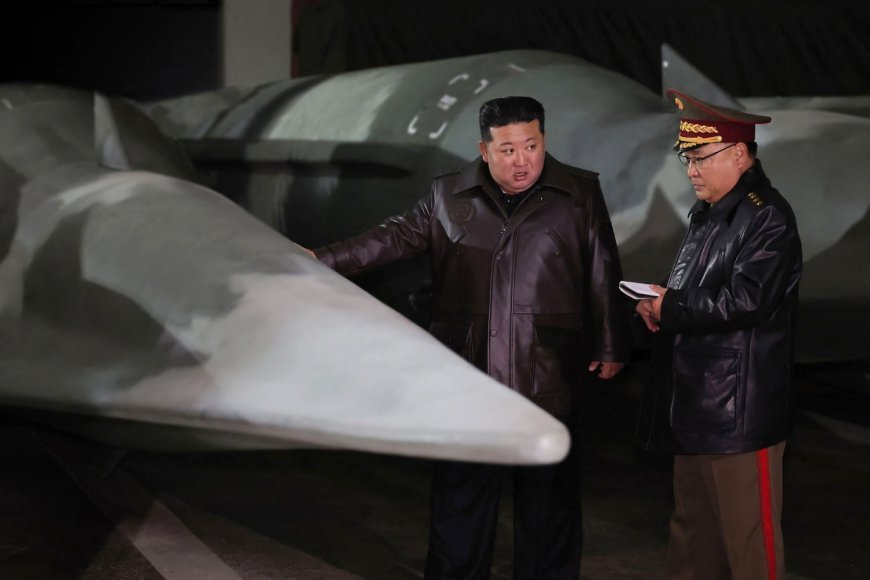
Advertisement
North Korea’s latest warning to Japan reads less like a serious diplomatic position and more like a case study in geopolitical irony. A regime built entirely around militarisation and nuclear brinkmanship is now presenting itself as the moral guardian against regional arms cooperation, accusing Tokyo of reviving imperial ambitions through military partnerships with foreign powers.
Advertisement
Advertisement
Advertisement
Advertisement
The message, delivered through Rodong Sinmun, Pyongyang’s official propaganda outlet, targets Japan’s recent defence equipment and technology agreement with Canada, an arrangement framed by Tokyo as a practical step toward deeper security cooperation in an increasingly unstable Asia-Pacific environment. For North Korea, however, this technical agreement is being inflated into evidence of a grand conspiracy to rearm Japan and turn it into a forward operating base for Western military influence.
The language used by Pyongyang is revealing. Japan is branded a “war criminal country”, forbidden from maintaining a military and therefore prohibited from forming alliances, a claim that conveniently ignores decades of Japanese participation in international security frameworks under the Self-Defense Forces. North Korea is not arguing international law, it is attempting to freeze Japan permanently inside a post-1945 identity that no longer matches geopolitical reality.
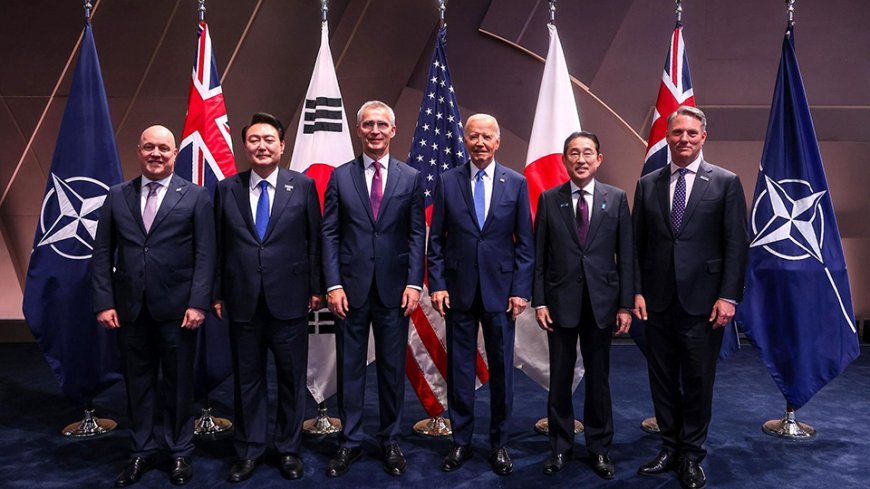
Rodong Sinmun’s claim that Japan has effectively established military alliances with NATO members exposes Pyongyang’s deeper anxiety. The real fear is not Japan’s constitution or history, but the possibility that Tokyo is slowly embedding itself inside a wider Western security network that could one day encircle China’s periphery and isolate North Korea entirely.
The accusation that Japan is creating conditions for “overseas invasion” is particularly hollow coming from a state that regularly threatens missile strikes on neighbouring capitals and conducts weapons tests over international waters. In this context, North Korea’s warning is not about preventing war, but about losing relevance and leverage in a regional order that is hardening against unpredictable regimes.
What makes the statement even more selective is what it avoids mentioning. Pyongyang made no reference to the recent electoral victory of Japan’s ruling Liberal Democratic Party, a win that strengthens Prime Minister Sanae Takaichi’s position to pursue constitutional reforms and formally redefine the status of the Self-Defense Forces. This omission is strategic, because acknowledging domestic political shifts would undermine Pyongyang’s preferred narrative that Japan is acting purely as a foreign-controlled puppet.
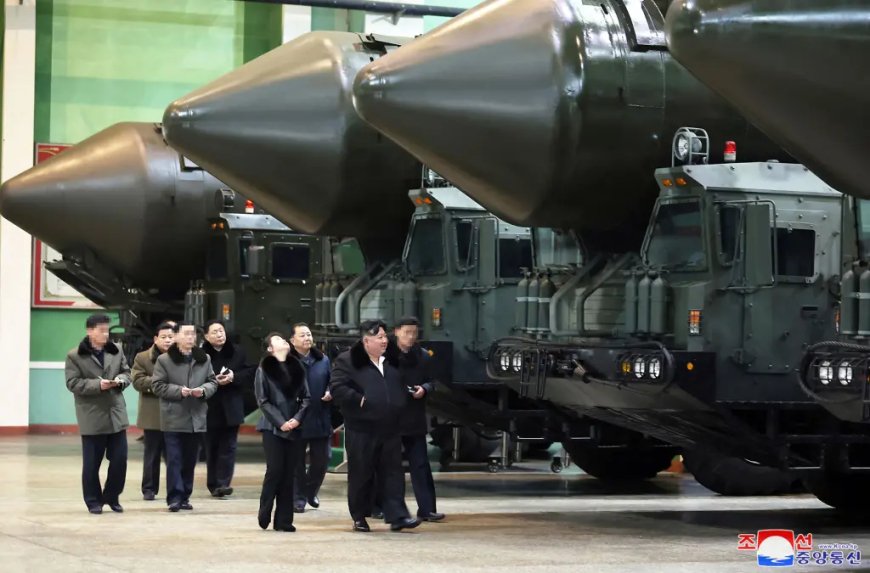
The deeper reality is that North Korea does not fear Japanese militarism in the historical sense, it fears strategic marginalisation. As Japan expands defence ties with countries like Canada, Australia, and European states, the regional security architecture is slowly reconfiguring itself around shared intelligence, logistics, and technology standards that leave regimes like Pyongyang structurally excluded.
From this angle, Rodong Sinmun’s warning looks less like a principled stance and more like a defensive outburst from a state watching the map redraw itself without its consent. North Korea is not trying to restrain Japan, it is trying to stop the world from moving on.
The paradox is hard to ignore. A nuclear-armed dictatorship that treats missile launches as routine political messaging is now invoking historical pacifism as a moral boundary for others. In geopolitical terms, this is not hypocrisy, it is strategic insecurity dressed up as ideological outrage.
In the end, Pyongyang’s lecture says more about its own isolation than about Japan’s intentions. When a regime built on deterrence starts warning others against cooperation, it is usually not because peace is under threat, but because influence is slipping away.
Advertisement