The Hitler Card, the “Tin-Pot” Label, and the Panic Behind the Trump Freak-Out
British elites melt down after Donald Trump’s Davos speech, reaching for Hitler comparisons and “tin-pot dictator” labels as the global order they profited from feels threatened.
 Ronald
 Advertisement
Let’s strip away the theatrics and call this what it really is, because the moment Donald Trump walked onto the Davos stage and spoke in blunt, transactional terms about power, borders, and leverage, a familiar reflex kicked in among Europe’s political class, panic dressed up as moral outrage, complete with the most overused weapon in modern political debate, the Hitler comparison.
Advertisement
Advertisement
Advertisement
Advertisement
On British television, the response was not analysis but hysteria, as Conservative peer Dan Hannan declared Donald Trump a “deluded megalomaniac,” a “tin-pot dictator,” and a threat to the global order, before escalating to historical analogies so lazy they’ve become meaningless, invoking Nazi Germany as if that alone were enough to shut down debate.
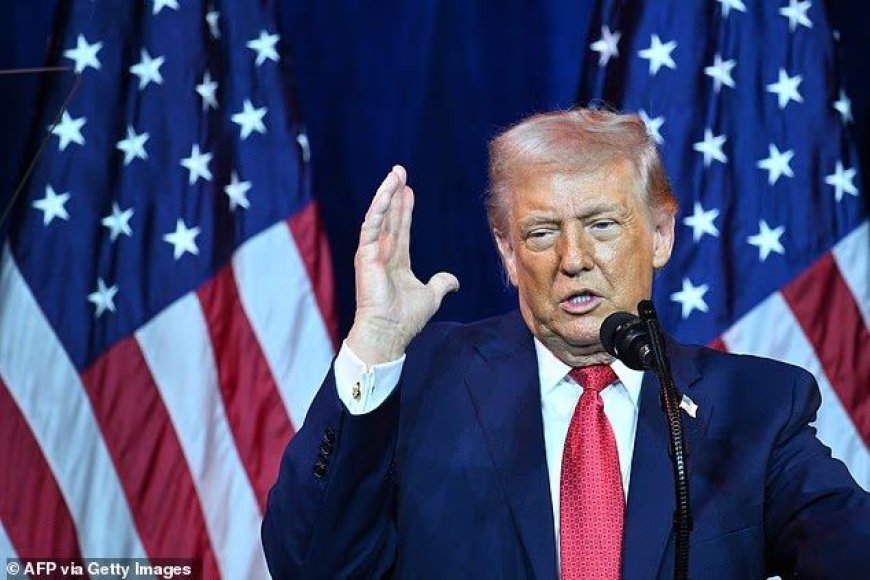
This was not an argument, it was a confession, because when elites reach for the Hitler card, it usually means they have run out of answers and are terrified of what they are hearing.
Trump’s actual offense was not promising tanks or marching armies, despite the breathless tone of his critics, but daring to say the quiet part out loud, that the post-war global order is not a sacred moral achievement but a power arrangement that has produced winners and losers, and that many of those now clutching their pearls have done extremely well out of it.
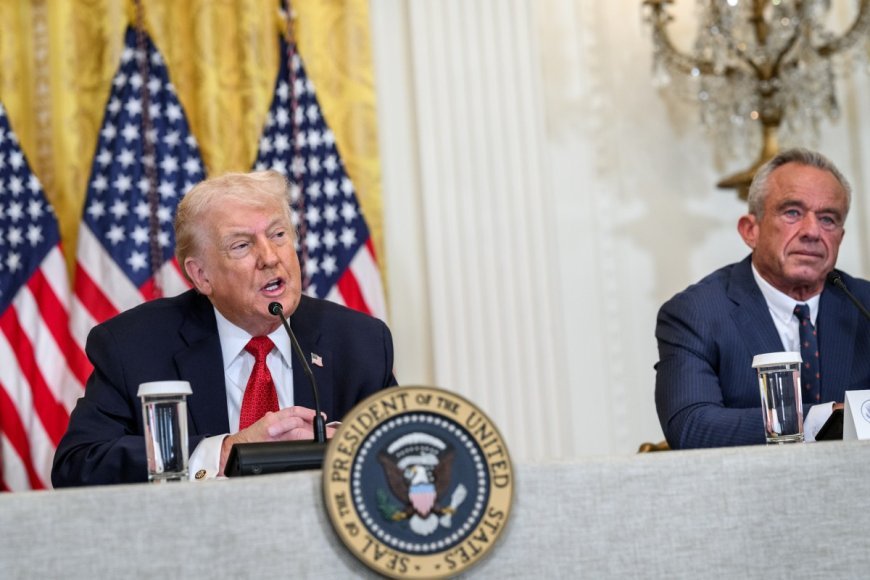
The outrage peaked when Trump framed Greenland, NATO, and tariffs as leverage rather than charity, insisting that negotiations are about interests, not sentimentality, and that gratitude is not owed when power has been exercised for decades without question, a worldview that sends shivers through institutions built on the assumption that American strength would always be automatic, unconditional, and free.
The moral sermon that followed was predictable, invoking the Atlantic Charter, territorial sovereignty, and the sanctity of borders, as if those principles have not been bent, ignored, or outright violated by the very architects of the system now claiming to defend them, often with far less transparency than Trump’s blunt threats.
What made the performance especially revealing was the psychological turn, with critics openly questioning Trump’s mental faculties, diagnosing narcissism, derangement, and Caesarism from studio sofas, a classic move when political disagreement can no longer be framed as policy but must be medicalized to preserve moral superiority.

And yet, beneath the insults, something important was being avoided, because Trump did not reject negotiation, he rejected the pretense that power should pretend it does not exist, stating repeatedly that he prefers deals to force while making clear that leverage remains on the table, a position that may be uncomfortable but is hardly unprecedented in international politics.
Supporters pushed back, arguing, correctly, that Trump speaks to voters who feel abandoned by decades of elite consensus, people who watched their industries hollowed out, their energy policies sabotaged, and their sovereignty diluted in the name of a global order that enriched conference halls like Davos while leaving ordinary citizens behind.
This is the part Trump’s critics refuse to confront, because doing so would require acknowledging that popularity does not always come from madness, but from resonance, and that millions hear Trump not as a dictator, but as someone finally challenging systems that have become insulated from accountability.
The irony is thick, because many of the loudest voices condemning Trump as a threat to democracy are themselves veterans of institutions that resist democratic disruption, recoil at voter revolt, and equate dissent with danger the moment their authority is questioned.
Calling Trump Hitler is not courage, it is intellectual surrender, and labeling him a tin-pot dictator does not make him one, it only exposes how brittle the confidence of the so-called global order has become.
If a single speech can provoke this level of rhetorical collapse, then perhaps the problem is not the man at the podium, but the system that fears being named, challenged, and renegotiated in public.
Advertisement