Trump’s Push for Dedicated Smithsonian Display Raises Alarms Over Political Influence in Cultural Institutions
President Trump’s reported push for a dedicated Smithsonian display intensifies concerns about political pressure on cultural institutions and historical narratives.
 Ronald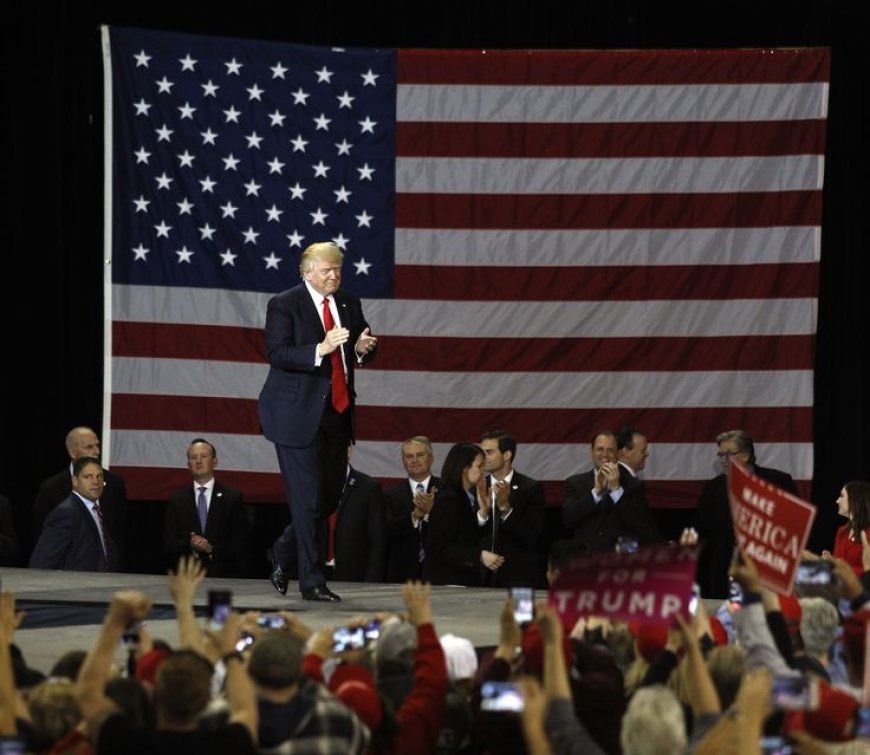
Advertisement
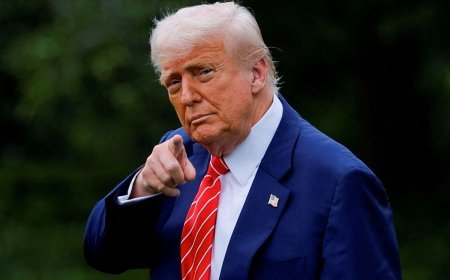
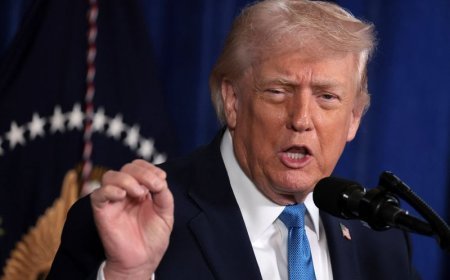
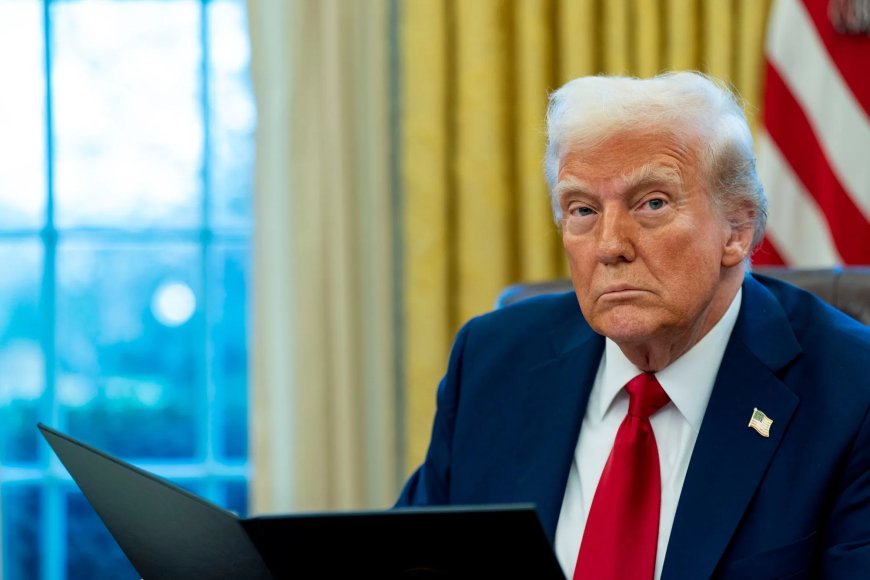
President Donald Trump’s reported effort to secure a dedicated display at the Smithsonian’s National Portrait Gallery marks a new phase in a broader struggle over who controls the narrative of American history and how national institutions define public memory. The proposal, which would feature artwork created by Trump supporters and submitted to the White House, extends beyond a routine curatorial decision and instead places one of the country’s most prominent cultural institutions at the center of an escalating contest between political authority and institutional autonomy.
Advertisement
Advertisement
Advertisement
Advertisement
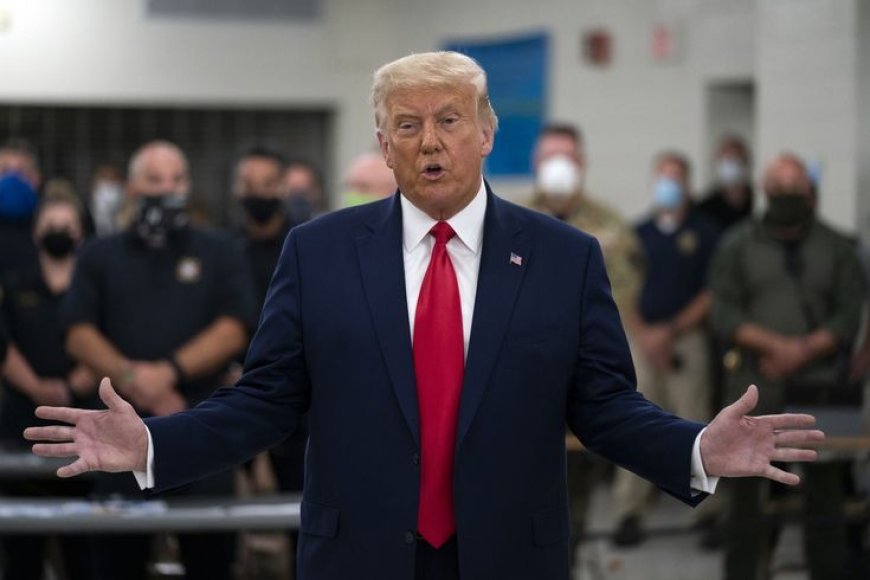
At issue is not simply the presence of presidential imagery in a museum devoted to American leadership, but the terms under which such representation is determined. The National Portrait Gallery has long followed a structured approach to presidential portraiture: sitting presidents are typically represented by a photograph, while commissioned painted portraits are unveiled after a president leaves office. That convention reflects an institutional commitment to historical distance and curatorial independence, principles designed to shield public history from immediate political influence. A dedicated display organized around supporter-created artwork would depart sharply from that tradition, raising questions about whether cultural recognition is being reframed as a function of political proximity rather than historical assessment.
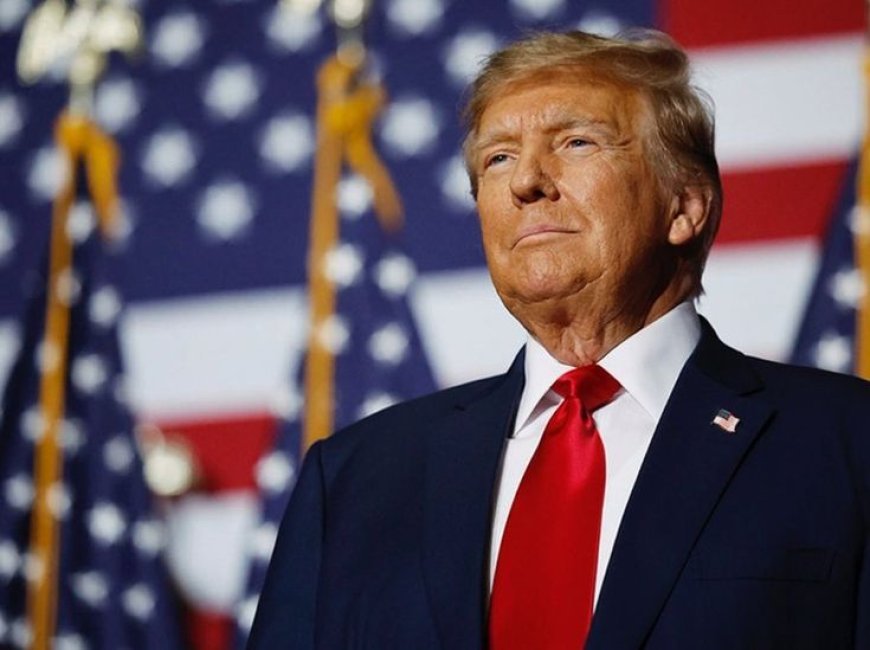
The reported initiative follows a period of sustained pressure by the Trump administration on the Smithsonian system, which receives significant federal funding but operates under a governance structure intended to preserve scholarly independence. Over the past year, administration actions and statements have signaled an ambition not merely to influence presentation but to redefine interpretive frameworks across the institution’s exhibitions and programming. An executive directive calling for the restoration of what was described as ideological neutrality in American history positioned the Smithsonian as a site of cultural contestation rather than scholarly inquiry, recasting debates over interpretation as matters of political legitimacy.
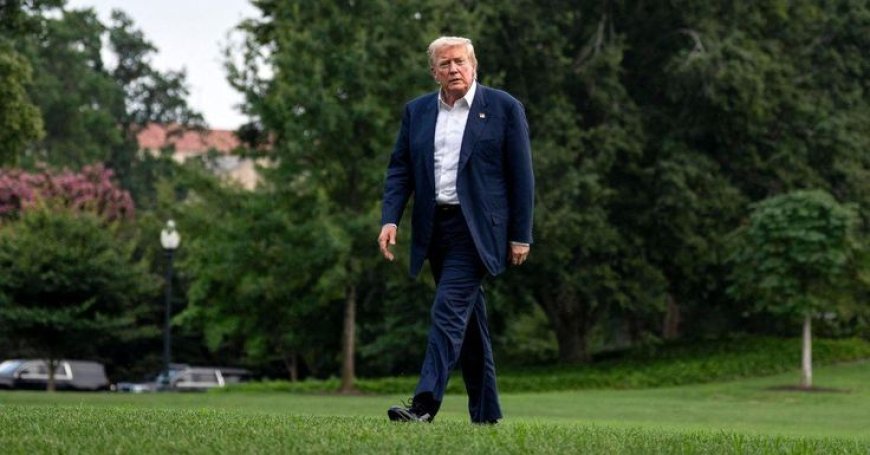
The controversy surrounding Trump’s representation within the National Portrait Gallery illustrates how institutional norms can become focal points for broader ideological disputes. The museum’s decision to revise interpretive labels associated with Trump’s portrait, removing contextual information that referenced major events of his presidency, reflected an unusual departure from standard curatorial practice. While museums frequently update displays, such changes typically emerge from scholarly reassessment rather than direct political pressure. The adoption of minimal descriptive labeling for Trump’s portrait, in contrast to the detailed contextual information accompanying other presidents, has intensified scrutiny of whether institutional standards are being selectively applied.
Equally consequential is the administrative turbulence that has accompanied these developments. The resignation of the National Portrait Gallery’s director following public criticism from the president highlighted the complex and often misunderstood relationship between federal authority and Smithsonian governance. Although the executive branch does not directly control museum staffing decisions, the political visibility of presidential disapproval can exert substantial indirect influence. The episode underscored how institutional independence can be challenged not only through formal authority but also through the dynamics of political pressure and public narrative framing.
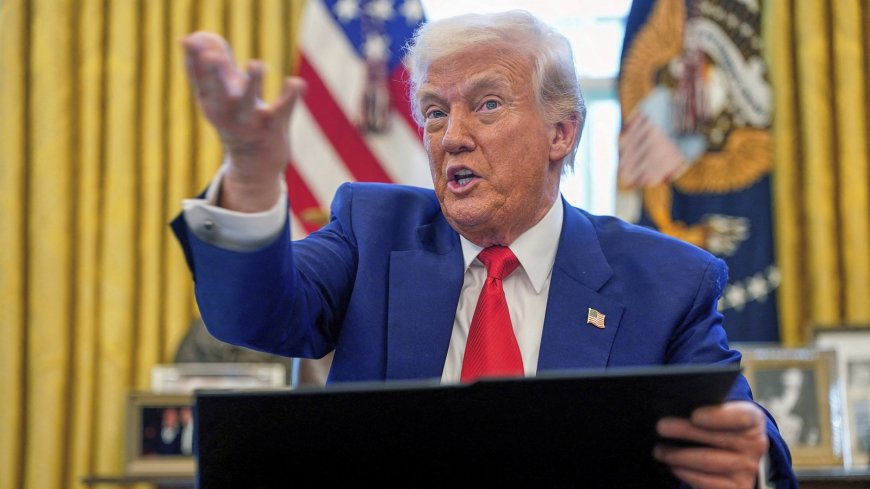
The proposed display of supporter-generated artwork introduces an additional dimension to this evolving conflict by blurring the boundary between civic representation and political advocacy. Museums have historically navigated the tension between public engagement and curatorial judgment by maintaining professional standards that distinguish artistic significance from political popularity. Elevating fan-created works within a national museum context risks redefining that boundary, transforming cultural space into an extension of contemporary political identity rather than a forum for historical reflection.
This tension reflects a broader shift in the relationship between political power and cultural infrastructure in the United States. Cultural institutions have increasingly become arenas in which competing visions of national identity are negotiated. Debates over monuments, curricula, and historical interpretation have moved from academic discourse into the center of political strategy, where symbolic representation functions as a proxy for ideological authority. In this environment, museums are no longer neutral repositories of collective memory but contested spaces where power seeks validation through narrative control.
The implications extend beyond a single institution or presidency. The Smithsonian’s global reputation rests on its perceived independence and scholarly credibility. Any perception that curatorial decisions are shaped by political demands risks altering how both domestic and international audiences understand the integrity of American cultural institutions. In an era when democratic norms are frequently assessed through the resilience of independent institutions, the autonomy of museums carries significance that extends into the realm of governance itself.
For the White House, the effort to secure expanded representation within the nation’s most visible museum complex aligns with a broader communication strategy centered on symbolic affirmation. Political leadership has long recognized the power of cultural representation to shape legacy and influence public memory. Yet the durability of that legacy historically depended on the willingness of institutions to interpret leadership through the lens of historical evaluation rather than contemporary political preference. The tension now confronting the Smithsonian reflects a shift from retrospective recognition to immediate narrative construction.
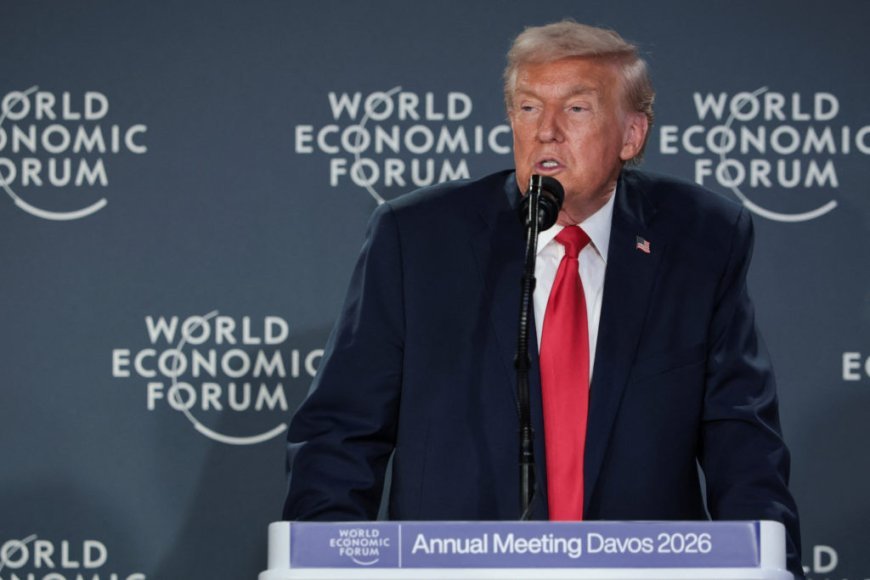
As debates continue over whether additional depictions of Trump will be installed, the broader question concerns the future relationship between public institutions and political authority. The outcome will help determine whether cultural spaces remain governed by professional standards designed to ensure historical continuity or whether they become increasingly responsive to the priorities of incumbent power. In that sense, the controversy surrounding a proposed museum display is not merely about portraiture but about the evolving architecture of institutional independence in American public life.
Advertisement