Trump’s Push for a Smithsonian Display Intensifies Battle Over Historical Narrative
President Trump’s push for a dedicated Smithsonian display fuels a broader conflict over historical interpretation, institutional independence, and cultural power. •
 Ronald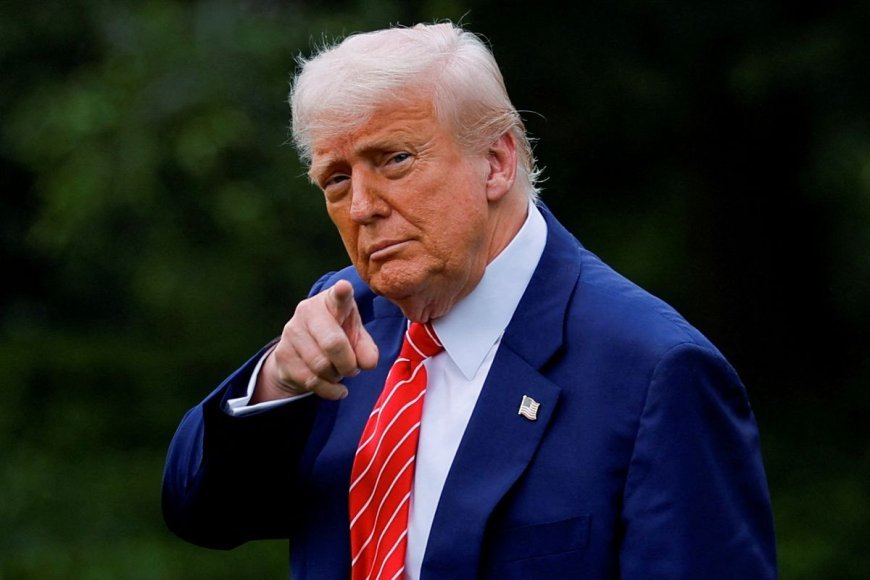
Advertisement
A developing confrontation between the White House and the Smithsonian Institution has drawn renewed attention to the political stakes embedded within cultural memory, as President Donald Trump reportedly seeks a dedicated display at the National Portrait Gallery featuring artwork created by his supporters. The proposal, unusual in both timing and form, represents more than a dispute over museum curation; it reflects a broader contest over who controls the symbolic architecture of American history and how presidential legacy is constructed in real time.
Advertisement
Advertisement
Advertisement
Advertisement
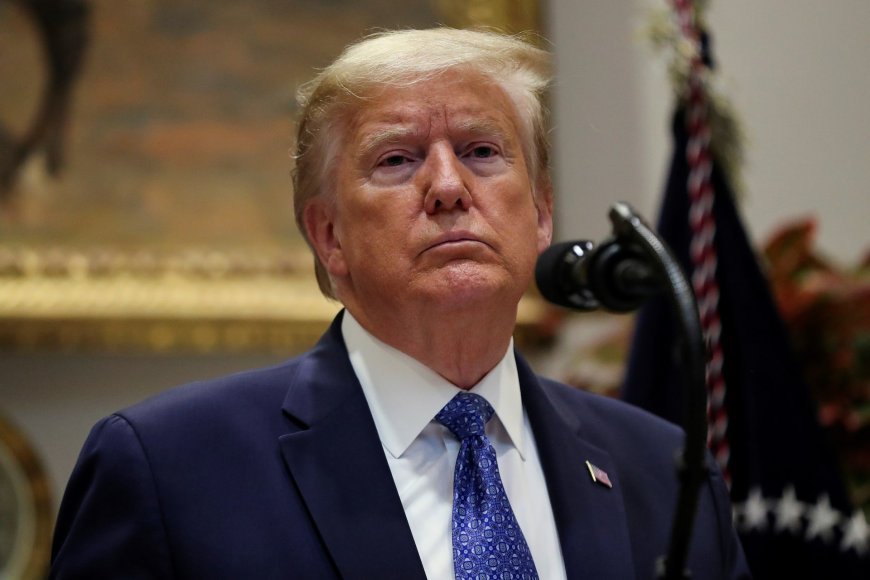
The National Portrait Gallery has long operated within a carefully maintained institutional framework that balances public education, historical scholarship, and cultural stewardship. Traditionally, sitting presidents are represented through photographic imagery, with commissioned painted portraits unveiled after they leave office. The reported request to showcase fan-created depictions of a sitting president diverges from this established practice, raising questions not only about curatorial precedent but also about the evolving relationship between political power and national cultural institutions.
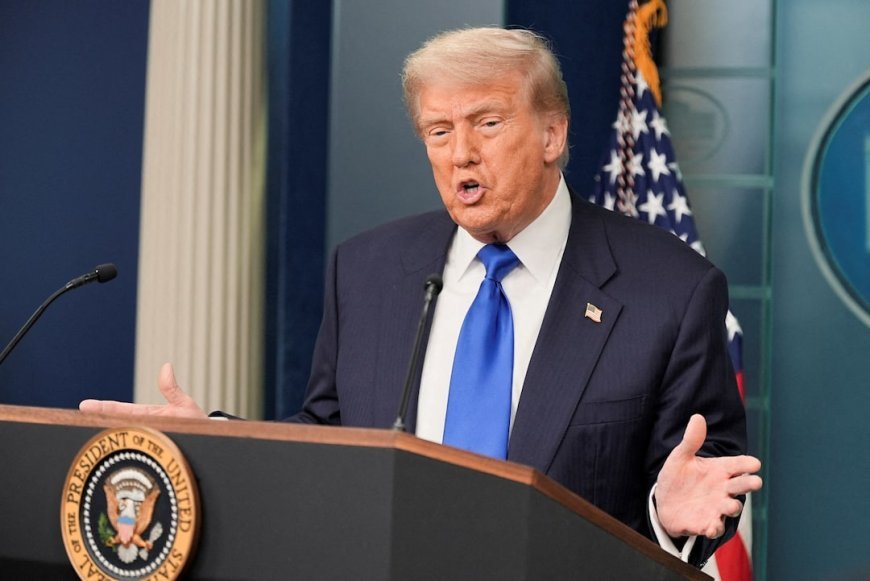
The initiative emerges within a wider pattern of engagement between the Trump administration and the Smithsonian, one defined by sustained pressure over representation, interpretation, and institutional authority. Over the past year, the administration has articulated a vision of American history that prioritizes narratives of national achievement while rejecting interpretive frameworks that foreground structural inequality or historical injustice. This approach has been codified through executive action and public messaging that frames cultural institutions as arenas in which ideological contestation must be actively managed rather than neutrally presented.
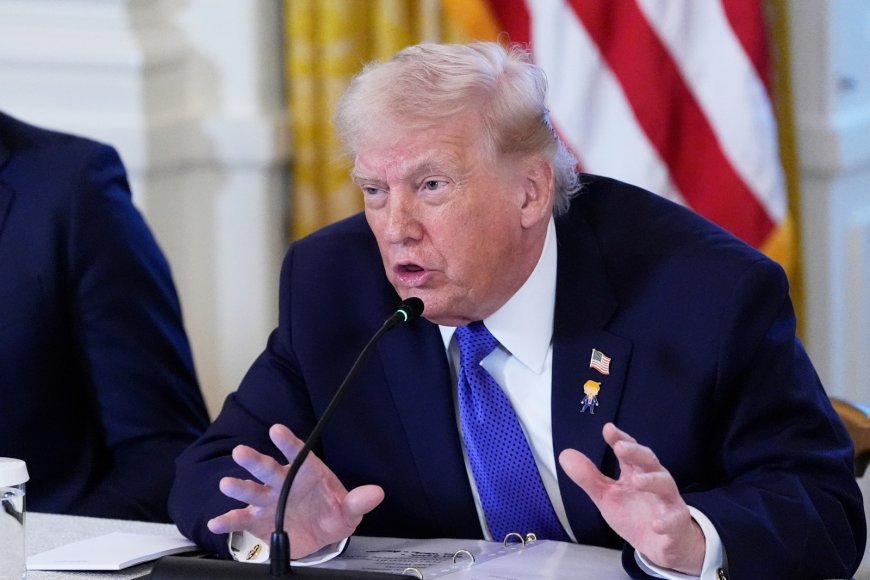
Central to the controversy is the question of narrative control. Museums, particularly those operating within the Smithsonian network, function not merely as repositories of artifacts but as authoritative interpreters of collective memory. Decisions regarding what is displayed, how it is contextualized, and whose perspectives are emphasized shape public understanding of national identity. Efforts by a sitting administration to influence those decisions introduce a tension between democratic accountability and institutional independence, a tension that has periodically surfaced throughout American history but rarely with such directness.
The administration’s engagement with the National Portrait Gallery has unfolded through a series of interventions that illustrate this broader dynamic. Changes to exhibit labeling, disputes over biographical context, and leadership turnover within the institution have collectively signaled a willingness by political authorities to challenge curatorial autonomy. These developments coincide with broader demands for increased transparency regarding exhibitions and programming, alongside warnings that federal funding could be reconsidered if institutional practices are deemed misaligned with national priorities.
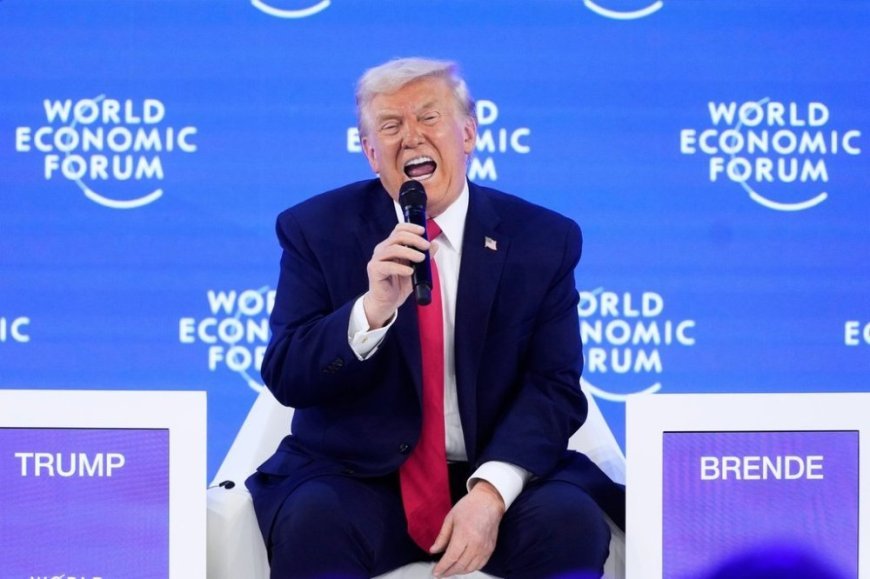
Supporters of the administration’s approach argue that cultural institutions funded by public resources should reflect the perspectives and values of the citizenry, including those who view existing narratives as overly critical or exclusionary. From this vantage point, showcasing artwork created by supporters of the president could be interpreted as an expression of democratic participation in cultural representation. Critics, however, contend that such interventions risk transforming museums into instruments of political messaging, undermining scholarly integrity and eroding public trust in institutions tasked with preserving historical complexity.
The symbolic implications of a dedicated display are significant. Presidential portraiture within the Smithsonian carries an aura of permanence and legitimacy, situating individual leaders within the broader continuum of national history. Expanding that tradition to include curated displays shaped by contemporary political preferences would blur the boundary between historical commemoration and political endorsement. The distinction is not merely procedural; it speaks to the role of cultural institutions in mediating the relationship between power and memory.
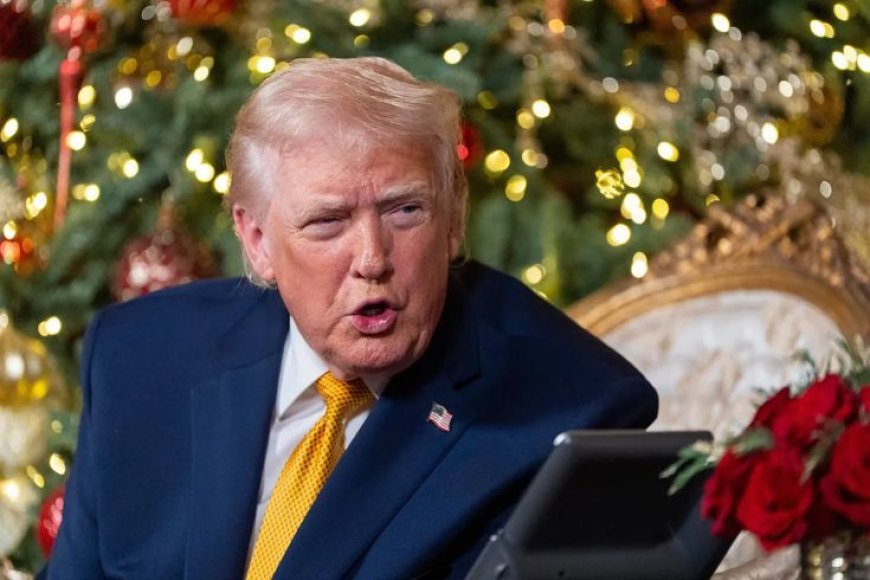
The dispute also reflects a broader transformation in how political authority interacts with cultural production. In an era characterized by intensified polarization and competing narratives of national identity, museums have emerged as focal points of ideological struggle. Debates over representation, interpretation, and historical emphasis are increasingly framed as contests over legitimacy itself. The Smithsonian, as one of the nation’s most visible cultural institutions, occupies a central position within this landscape, rendering it particularly sensitive to pressures from political leadership.
Institutional responses to such pressures are shaped by legal structure as well as tradition. While the Smithsonian receives federal funding, it operates with a degree of autonomy designed to protect scholarly independence and curatorial integrity. The tension between financial dependence and operational independence has long defined the governance of publicly supported cultural institutions. Efforts by political actors to leverage funding as a mechanism of influence therefore resonate beyond the immediate controversy, raising enduring questions about the boundaries of governmental authority in cultural life.
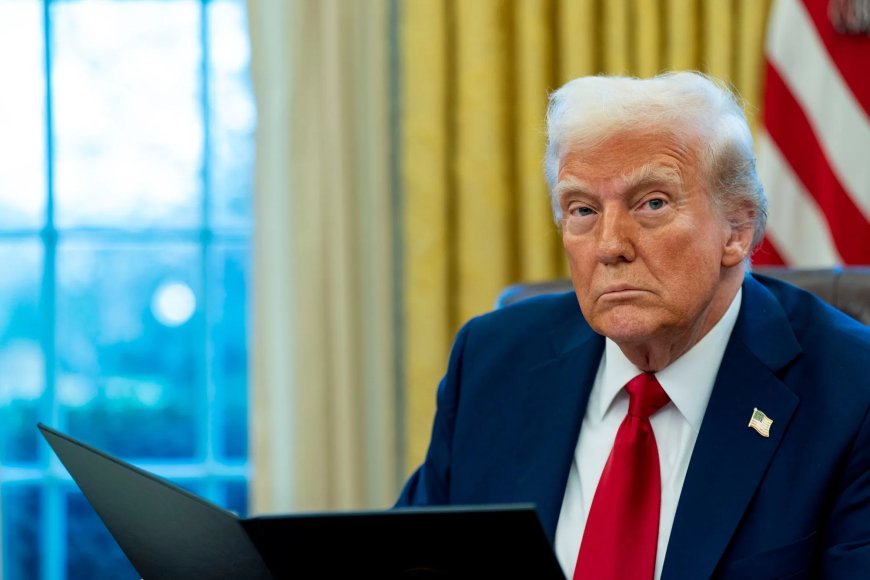
The proposed display also intersects with broader debates about how presidential legacies are constructed in the contemporary media environment. Unlike earlier eras in which historical reputation evolved gradually through scholarly reassessment, modern political figures actively engage in shaping their own historical image while still in office. The convergence of political communication, media spectacle, and institutional representation has compressed the timeline of historical interpretation, transforming legacy formation into an ongoing, contested process rather than a retrospective evaluation.
At stake in the current dispute is not merely the placement of artwork within a museum gallery but the broader principle of how a democratic society negotiates the relationship between power and memory. Cultural institutions serve as mediators between past and present, translating complex historical processes into narratives accessible to the public. When those institutions become sites of political contestation, the process of historical interpretation itself becomes a terrain of governance.
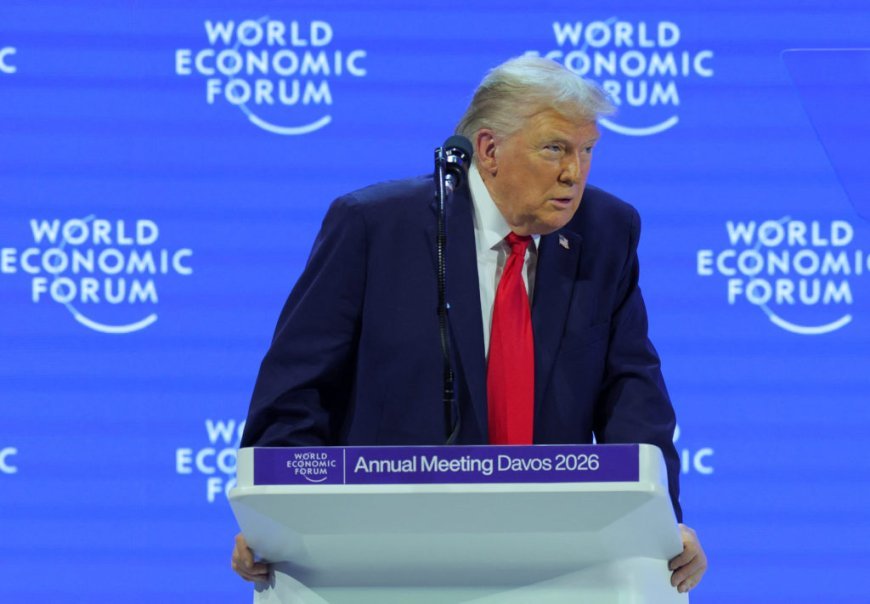
The outcome of this confrontation will likely shape future interactions between political leadership and cultural institutions across the United States. Whether the National Portrait Gallery accommodates the administration’s request or reaffirms established curatorial practices, the episode underscores a fundamental shift in the politics of representation. The question is no longer simply how history is preserved but who possesses the authority to define its meaning.
As debates over national identity, historical accountability, and institutional independence continue to intensify, the controversy surrounding a proposed presidential display offers a revealing lens through which to examine the evolving interplay between culture and power. The resolution of this dispute will reverberate beyond the walls of a single museum, influencing how Americans understand the stewardship of their collective past and the role of public institutions in safeguarding historical truth.
Advertisement