America’s Political Divide Echoes in Public Letters on Elections, Power and Greenland
Public letters reflect deep divisions over election legitimacy, presidential power and U.S. ambitions in Greenland, revealing widening fractures in American civic discourse.
 Ronald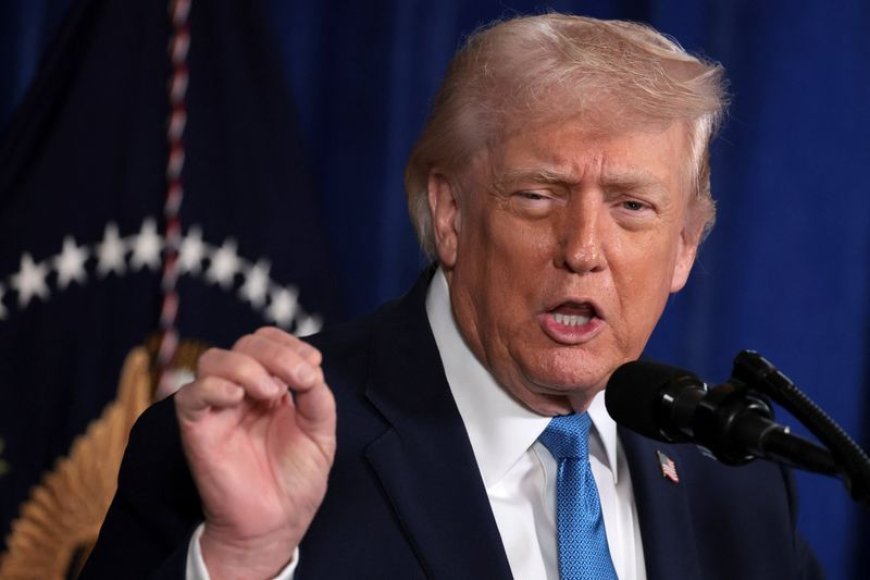
Advertisement
Public discourse in the United States increasingly unfolds not only through official political channels but through civic commentary that reveals the emotional and ideological terrain beneath national debate. A recent collection of reader correspondence addressing President Donald Trump’s policies and priorities offers a revealing snapshot of a country negotiating competing narratives about leadership, legitimacy and global responsibility. These perspectives, though disparate in tone and conclusion, collectively illustrate the depth of polarization shaping American political culture.
Advertisement
Advertisement
Advertisement
Advertisement
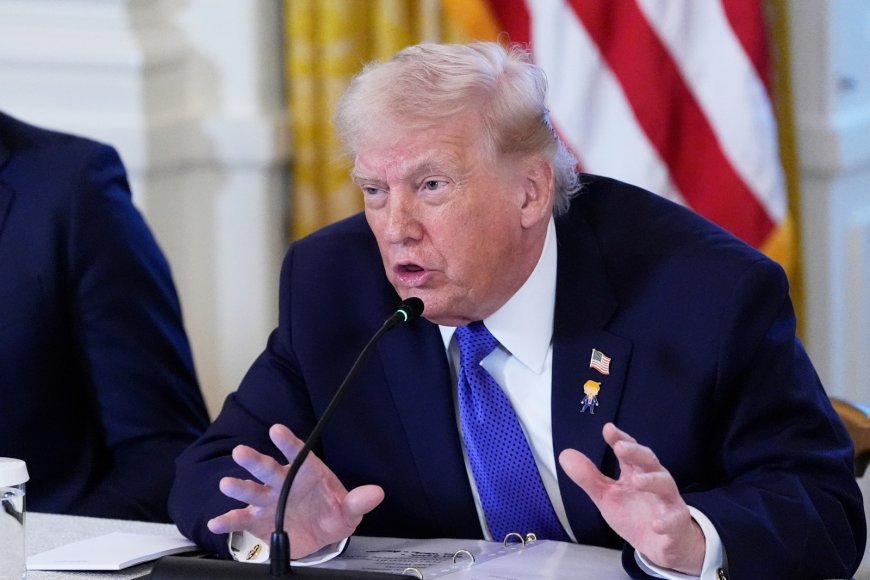
At the center of one strand of public concern lies the continued investigation into alleged irregularities surrounding the 2020 presidential election. Critics frame the effort as a costly and unnecessary exercise that perpetuates institutional distrust despite prior intelligence assessments and judicial rulings affirming the election’s legitimacy. From this viewpoint, renewed scrutiny reflects not a search for clarity but an ongoing challenge to established democratic processes. The critique underscores a broader anxiety about governance in an era when political authority increasingly rests not only on formal institutional validation but on public belief in those institutions’ credibility.
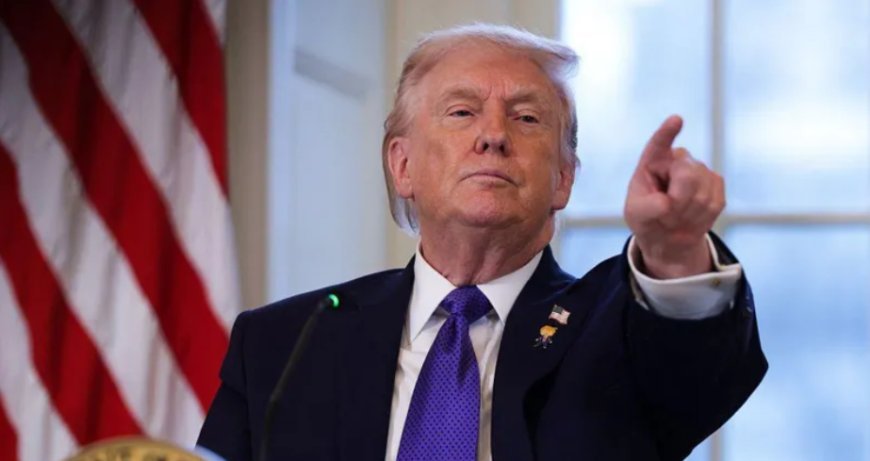
Yet within the same public forum, an opposing narrative celebrates what supporters characterize as a record of domestic and economic achievements. This perspective situates the Trump presidency within a framework of national restoration, emphasizing border enforcement, economic growth and institutional restructuring as markers of effective governance. The divergence between these interpretations reflects a fundamental dispute not merely over policy outcomes but over the criteria by which leadership itself is evaluated. For some, legitimacy derives from institutional continuity; for others, it emerges from perceived disruption of established systems.
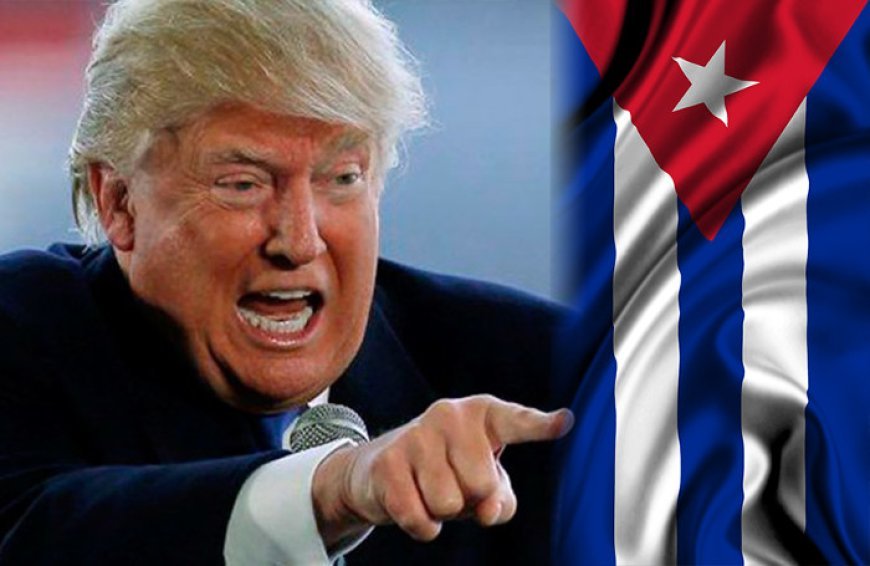
The coexistence of these sharply contrasting assessments illustrates how political identity in the United States has evolved into a framework through which facts, outcomes and national priorities are interpreted. Civic commentary no longer functions primarily as a mechanism for deliberation but as an extension of broader ideological alignment. The language of public letters, whether critical or celebratory, often mirrors the rhetorical intensity of national political discourse, suggesting that polarization is not confined to elite institutions but embedded within everyday civic engagement.
A third theme emerging from public correspondence concerns U.S. foreign policy, particularly the debate surrounding Greenland’s strategic future. Here, the tension between geopolitical ambition and alliance stewardship comes into sharp focus. Critics of expansionist rhetoric argue that challenging Greenland’s sovereignty risks undermining longstanding transatlantic partnerships while imposing significant financial and administrative burdens. The argument reflects a traditional view of American leadership grounded in alliance maintenance and multilateral cooperation.
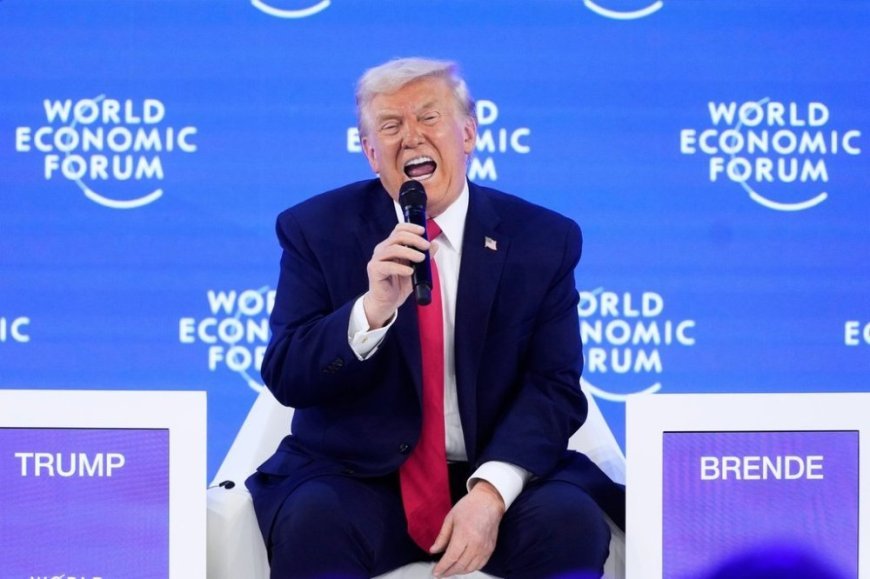
This debate over Greenland serves as a microcosm of a broader transformation in U.S. foreign policy thinking. Advocates of strategic acquisition frame territorial influence in terms of resource security and geopolitical competition, particularly in the Arctic’s emerging strategic landscape. Opponents emphasize the diplomatic costs of such ambitions, warning that coercive approaches could erode trust among allies whose cooperation has historically formed the foundation of American global leadership. The dispute reveals competing visions of how power should be exercised in an era defined by shifting international alignments.
Taken together, these strands of civic commentary illuminate a central feature of contemporary American political life: the fragmentation of shared narrative. Where previous eras often sustained a baseline consensus regarding democratic processes, alliance structures and institutional authority, current discourse reflects a landscape in which foundational assumptions themselves are contested. Public debate no longer revolves solely around policy choices but around the legitimacy of the frameworks within which those choices are made.
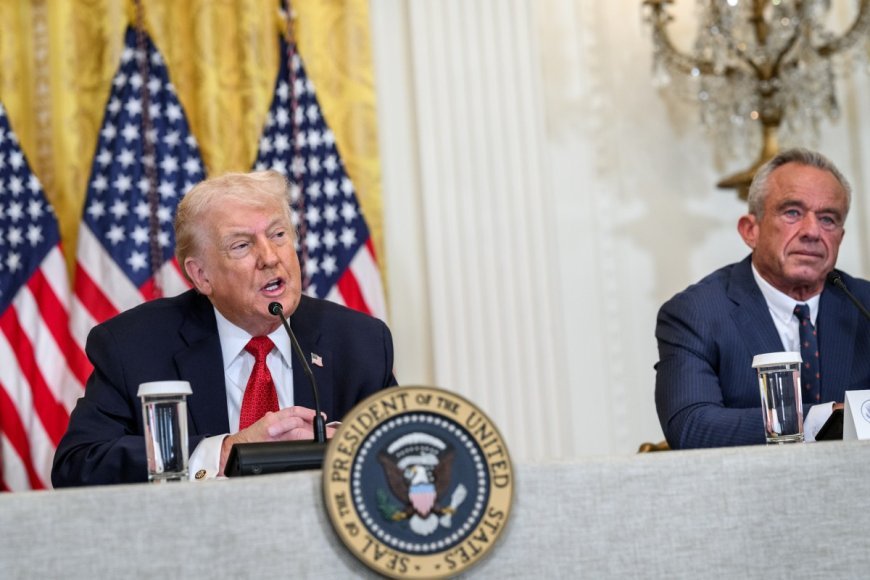
The significance of such correspondence extends beyond the specific issues addressed. Letters to the editor historically functioned as a barometer of public sentiment, offering insight into how citizens interpret national events and leadership decisions. In the present moment, they also serve as evidence of a political culture in which citizens increasingly articulate not only preferences but competing conceptions of national identity and purpose.
This evolution has implications for governance itself. Democratic systems depend not only on institutional structures but on a shared belief in the rules that govern political competition. When public discourse reveals persistent disagreement over those rules, the stability of democratic practice becomes intertwined with the management of narrative legitimacy. The voices captured in civic correspondence therefore reflect more than opinion; they reveal the conditions under which political authority is negotiated in contemporary America.
As debates over elections, executive authority and international posture continue to shape public life, the intensity of civic expression signals a society engaged in an ongoing redefinition of its political identity. The letters themselves, varied in perspective yet unified in urgency, illustrate a central paradox of modern democracy: the same freedom that enables robust public participation also exposes the depth of division that participation reveals.
Advertisement