Trump’s Coal Embrace Signals Strategic Pivot from Global Prestige to Domestic Energy Nationalism
Donald Trump’s recognition by the Washington Coal Club highlights a renewed fossil fuel agenda, revealing the political and economic stakes behind America’s energy nationalism.
 Ronald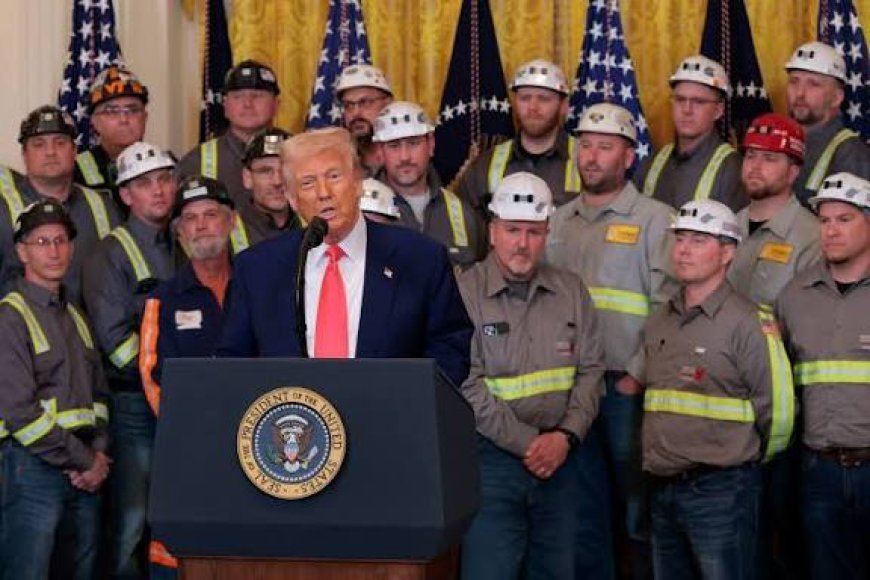
Advertisement
The decision by the Washington Coal Club to name U.S. President Donald Trump the “Undisputed Champion of Coal” is more than a ceremonial accolade from an industry group; it represents a crystallization of a broader political and economic strategy that has increasingly defined Trump’s approach to governance. The recognition arrives at a moment when global conversations around energy transition, climate commitments, and industrial competitiveness are colliding with domestic political realities in the United States. In embracing coal as both a symbolic and policy priority, Trump is positioning fossil fuel advocacy not merely as an economic choice but as an ideological marker within a wider contest over national sovereignty, industrial revival, and global influence.
Advertisement
Advertisement
Advertisement
Advertisement
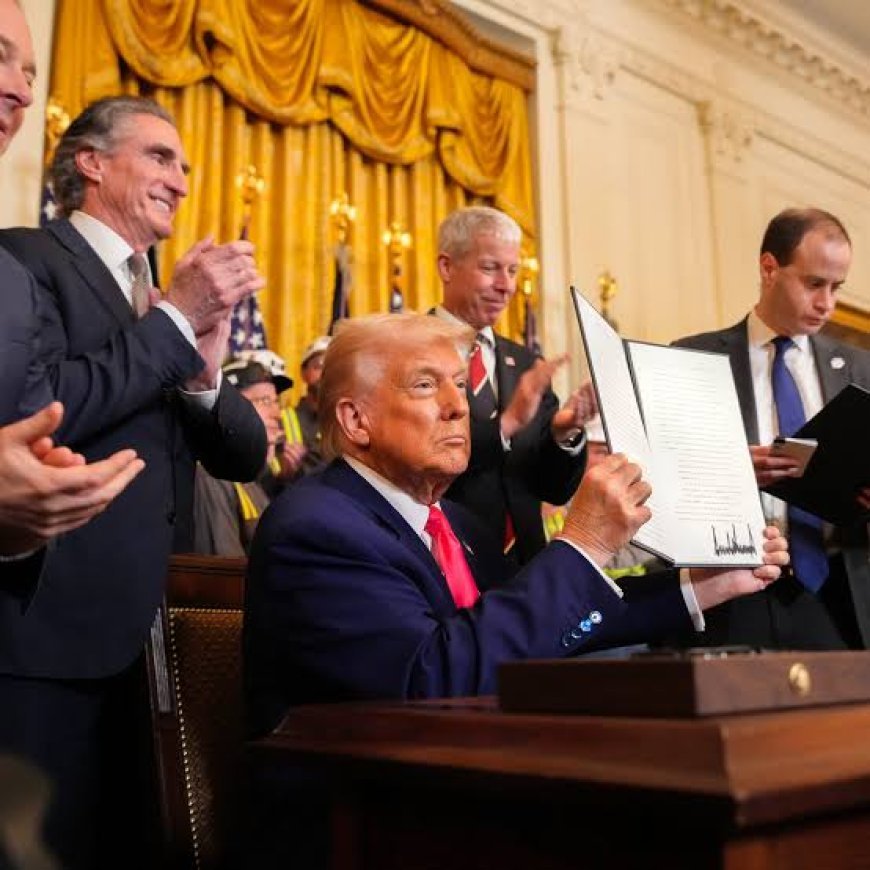
In recent weeks, the administration has taken a series of policy steps that reinforce this positioning, signaling a deliberate reassertion of traditional energy sectors within the framework of American economic policy. These actions are not occurring in a vacuum but rather against a backdrop of intensifying debate over the future of energy markets and the geopolitical consequences of decarbonization. While international institutions and many advanced economies have accelerated commitments to renewable energy infrastructure, Trump’s alignment with coal reflects a strategic recalibration toward domestic production capacity and energy autonomy, framed as essential to economic resilience and national security.
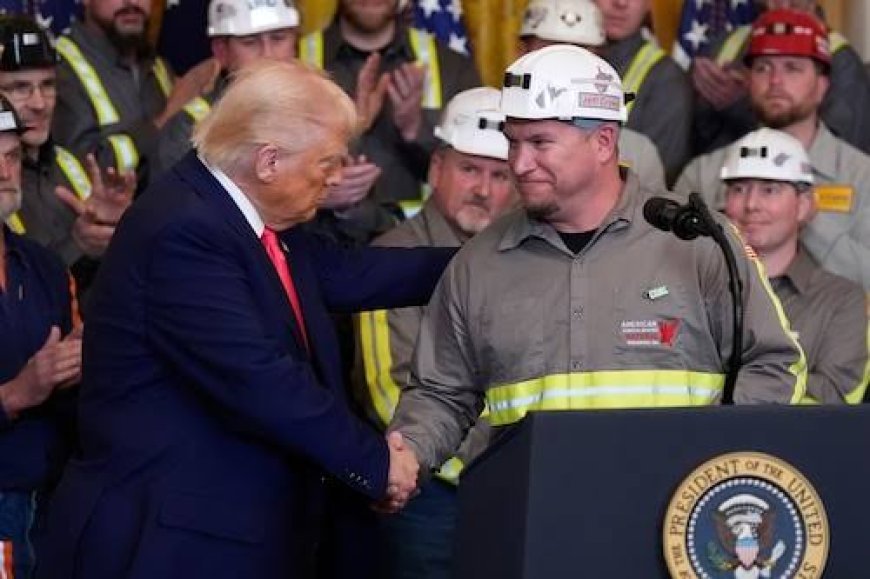
The political logic underpinning this approach is deeply rooted in the geography of American industrial identity. Coal, despite its declining share in the national energy mix, retains symbolic power as a representation of manufacturing-era prosperity and regional economic survival. By embracing coal publicly and repeatedly, Trump is not merely advancing a sectoral policy but reinforcing a narrative of economic restoration that resonates with constituencies historically tied to extractive industries. The Washington Coal Club’s designation therefore functions as both recognition and reinforcement, embedding presidential policy within a network of industrial advocacy that extends beyond regulatory frameworks into the cultural domain of American economic identity.
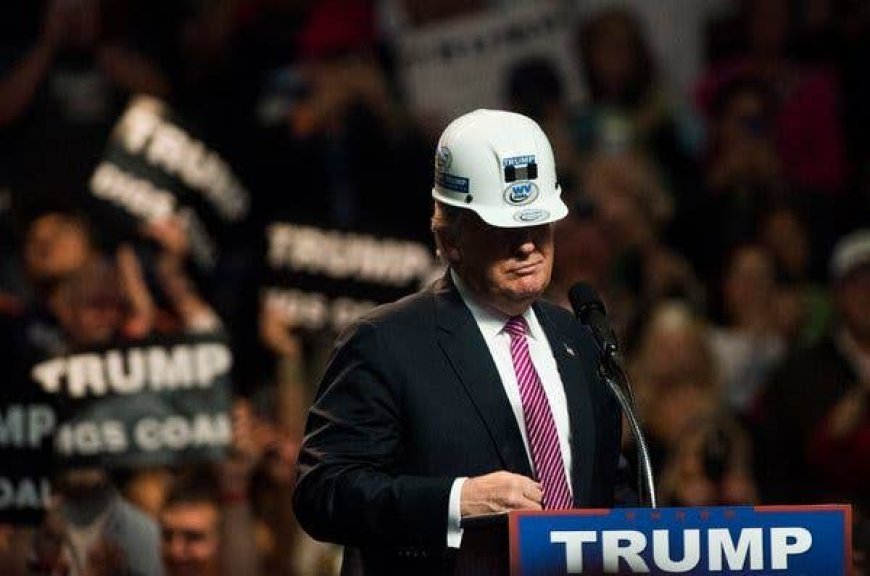
Yet the implications of this alignment extend far beyond domestic political messaging. Energy policy has become a central arena of geopolitical competition, shaping trade relationships, supply chains, and diplomatic leverage. By foregrounding coal within his energy agenda, Trump is effectively signaling a divergence from the prevailing trajectory among Western allies, many of whom have framed climate policy as integral to long-term economic strategy. This divergence introduces a new dimension to transatlantic relations, raising questions about regulatory compatibility, environmental standards, and the future of coordinated climate diplomacy.
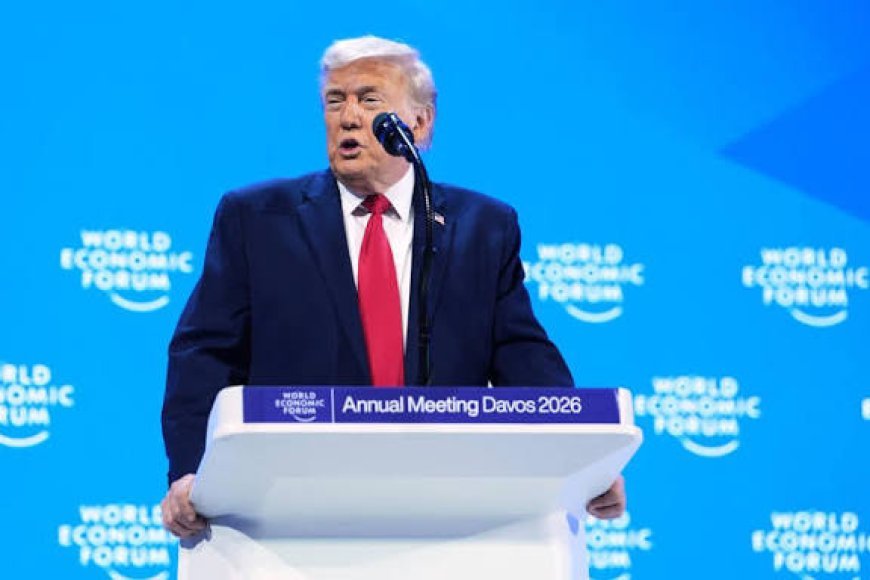
Economically, the administration’s emphasis on coal must be understood within a broader industrial policy framework that prioritizes domestic production over global integration. The argument advanced by proponents of this strategy is that energy independence functions as a stabilizing force in an era of volatile international markets. Coal, with its established infrastructure and domestic reserves, becomes a tangible instrument of this philosophy. However, critics argue that the prioritization of legacy energy sectors risks entrenching structural inefficiencies at a time when global capital is increasingly oriented toward low-carbon technologies. The tension between these perspectives reflects a deeper debate about the nature of economic modernization and the role of state power in shaping industrial outcomes.
The environmental dimension of the administration’s approach further complicates its international resonance. As climate change continues to shape policy discourse across global institutions, the United States’ posture toward fossil fuels carries disproportionate symbolic weight. Trump’s recognition by an industry group associated with one of the most carbon-intensive energy sources underscores a broader redefinition of American environmental diplomacy. Rather than positioning the United States as a leader in energy transition, the administration appears to be reframing energy policy through the lens of competitive advantage, emphasizing immediate economic gains over long-term environmental commitments.
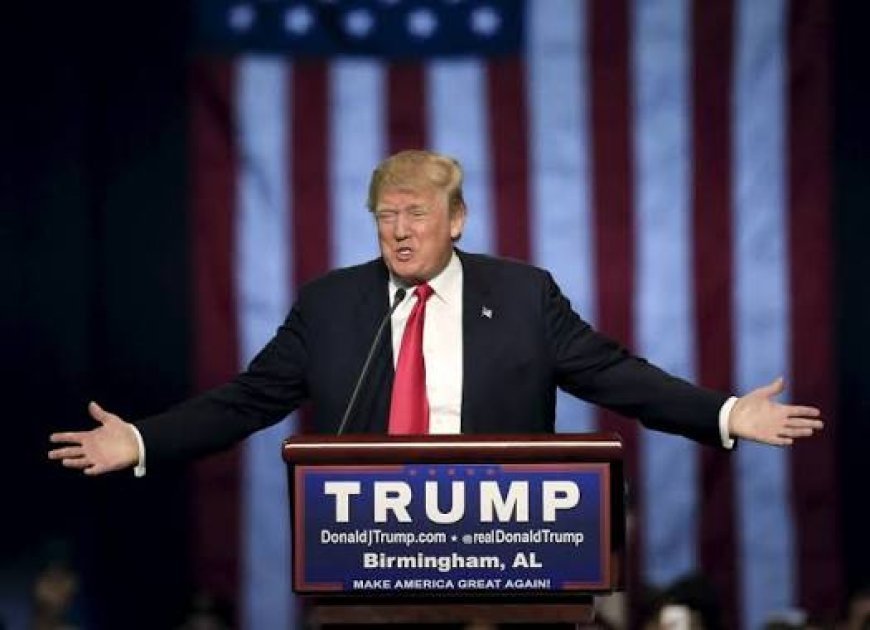
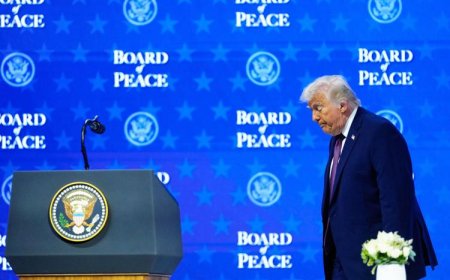
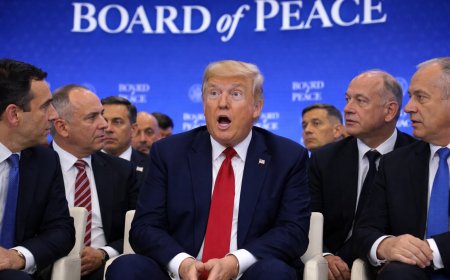
At the intersection of these dynamics lies the question of political legacy. Trump’s previous expressions of interest in global recognition, including references to international honors, have often been framed within the context of diplomatic achievements. The current embrace of coal, however, reflects a different pathway to political validation—one grounded not in global consensus but in domestic industrial alignment. The shift underscores a governing philosophy that prioritizes tangible economic constituencies over symbolic international approval, redefining success in terms of national economic assertion rather than multilateral prestige.
The Washington Coal Club’s designation thus serves as a revealing lens through which to view the administration’s evolving priorities. It captures the convergence of political symbolism, economic strategy, and geopolitical positioning that now characterizes American energy policy under Trump’s leadership. More importantly, it highlights the enduring centrality of energy as a tool of political identity formation in an era of rapid technological and environmental change.
As the global energy landscape continues to transform, the United States faces a defining question: whether its strategic future will be anchored in the preservation of legacy industries or in the acceleration of new technological paradigms. Trump’s recognition as a champion of coal suggests that, at least for now, the administration views the assertion of traditional energy power as both an economic necessity and a political imperative. The long-term consequences of this orientation will likely extend beyond domestic policy debates, shaping international perceptions of American leadership and influencing the trajectory of global energy governance for years to come.
Advertisement